
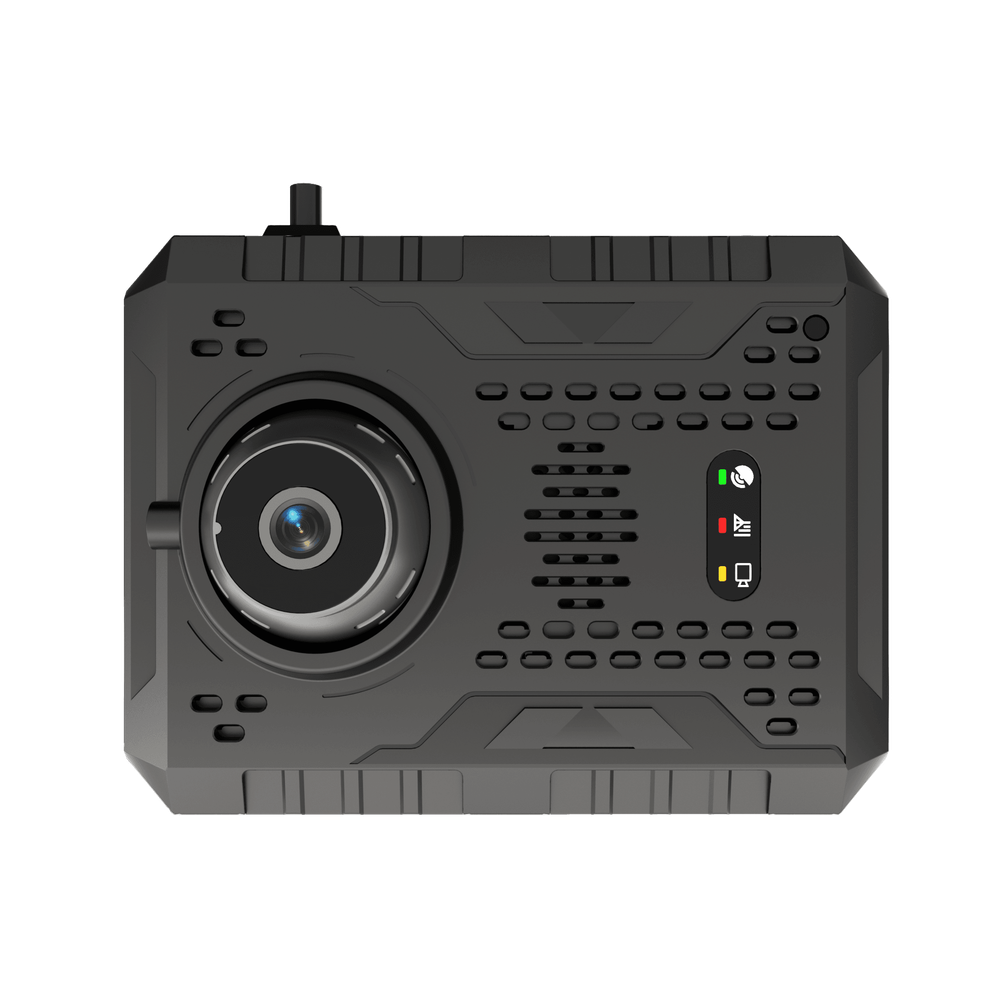
Why most buyers get stuck before they buy
Folks think a 4-channel mobile DVR’s just a camera box — that’s where trouble starts. If your fleet’s been losing footage, suffering sync issues, or getting vague playback when you need evidence, you got a problem-driven need: reliability, clarity, and easy access. That’s where you ought to start asking the right questions and, while you’re at it, taking a look at what good fleet telematics technology providers put on the table.
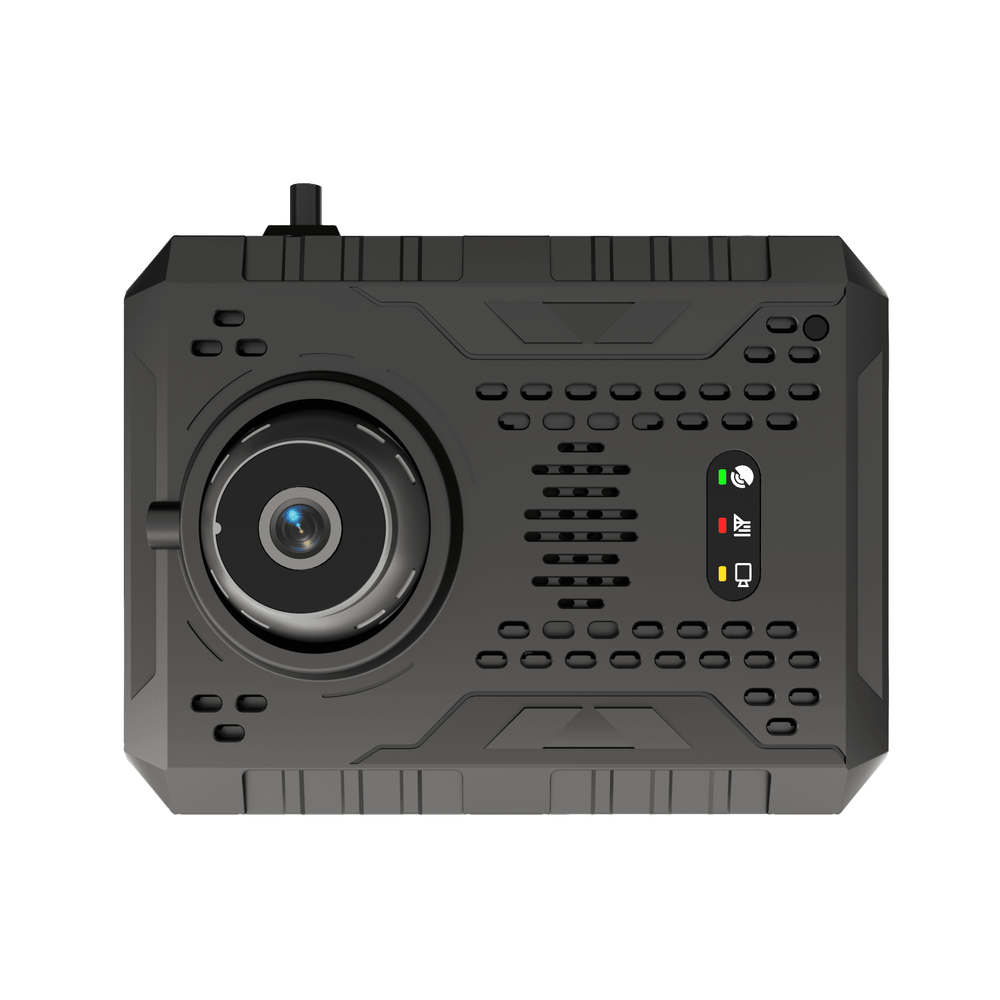
What “4-channel” really buys you — and when it ain’t enough
Four channels means you can record four video streams at once — front, rear, driver-facing, curbside — good for coverage without overloading bandwidth. But don’t assume more channels equals better outcomes. Consider these trade-offs:- Resolution vs. storage: higher resolution gives clearer IDs, but fills drives fast.- Frame rate vs. network: smoother motion needs more throughput when you stream.- Encoders and bitrates: cheap encoders save cost but wreck clarity in low light.Match the channel count to your routes and incident types; urban stop-and-go needs different camera placement than long-haul interstate runs.
Compatibility and integration: don’t let devices live in silos
Make sure your DVR talks to the rest of your stack. A DVR that can push timestamps, GPS, and event markers to your telematics platform saves hours. If your dispatch or logging software expects data in certain formats, confirm:- Supported protocols (RTSP, H.264/H.265).- GPS and accelerometer feeds (for event tagging).- API or middleware options for pulling footage on demand.This is where a solid fleet management system connection matters — seamless data flow keeps investigations quick and accurate.

Storage, retrieval, and chain-of-custody concerns
Buyers mess this up the most. Decide whether footage sits local (SD/NAS) or offloaded to cloud. Local storage is simple but vulnerable; cloud gives redundancy but needs bandwidth. Keep an eye on:- Retention policy: how long do you store before overwriting?- Encryptions and access controls: who can export or delete files?- Evidence handling: timestamps, tamper logs, and export formats for legal use.Regulators like the U.S. Department of Transportation expect auditable records for incident reporting and compliance — plan for traceable exports if you work cross-jurisdictional.
Common pitfalls and how to dodge ’em
Here are mistakes I see fleets making, and practical fixes:- Pitfall: Overpaying for features you won’t use. Fix: Map incidents you actually need to capture.- Pitfall: Neglecting low-light performance. Fix: Insist on tested night-mode footage samples.- Pitfall: Installing without secure mounts or wiring checks. Fix: Use professional installation and vibration-tested mounts.- Pitfall: Assuming every vendor’s warranty covers drive wear. Fix: Clarify write-cycle warranties and replacement terms.A little vetting up front saves you from scrambling when a driver brings back a truck with missing footage.
Troubleshooting basics — quick checks before calling support
Before you ring tech support, run these simple checks:- Power and ignition wiring: DVR should be stable on engine-off cutouts.- Time sync: GPS-backed timestamps prevent mismatched logs.- Camera alignment: small shifts ruin evidence value.If you see frequent file corruption, check drive health and recording modes. Persistent problems often trace back to installation or thermal issues rather than the DVR firmware itself.
Alternatives and what to weigh
If 4-channel units feel limiting, consider:- Hybrid units: 4 channels local plus cloud snapshot uploads.- Higher-channel hubs: 8 or 16 channels for large coaches or specialized rigs.- Single-purpose dashcams with cellular streaming for driver coaching.Compare not just specs but support, spare-part availability, and field experience. Don’t get sold on bells and whistles that add points to the spec sheet but nothing to your post-incident work.
Bottom-line guidance
Pick a 4-channel DVR that solves the problems you actually have: clear capture where incidents occur, reliable storage and exports, and integration with your operational data. Practical testing, clear retention rules, and professional installs beat fancy marketing every time. For fleets wanting real-world, field-tested solutions that tie footage to operations, BSJ fits naturally into the conversation as a partner that brings hardware and data together so footage becomes usable evidence, not just pretty video.