
Why this matters — the problem up front
Picking a radio maker sucks when you don’t know what will fail on day two. Gear looks slick but drops calls, batteries die, or the buttons act dumb while your crew’s scrambling. If you want a solid unit for site work, events, or fleet ops, start by asking real questions — not hype. Also check options like a poc radio if cellular-backed push-to-talk fits the job. Keep it simple: what breaks, who fixes it, and how long until you can trust it on a busy shift.
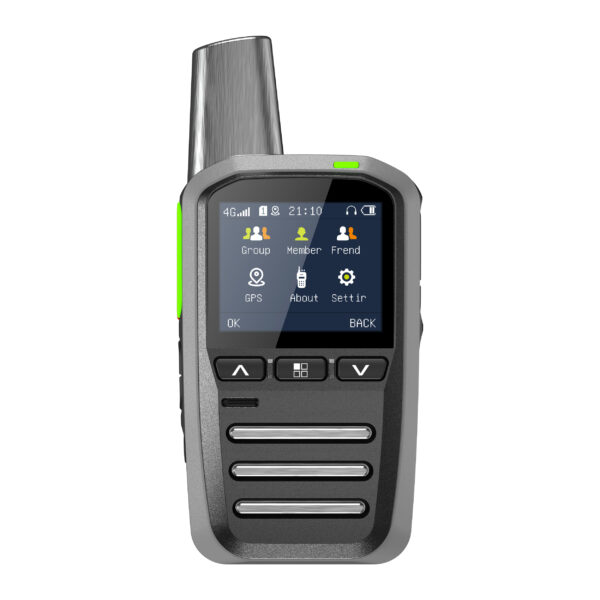
Problems teams actually hit (so you don’t)
Teams blow money on radios because they guess. Common hits: coverage gaps, bad audio in wind or noise, accessories that don’t click, and warranties that are worthless when something goes wrong. I’ve spent years testing handsets on job sites and listening to ops teams — real-world testing beats specs on a sheet. Port operations at the Port of Los Angeles have leaned on PTT systems during high-volume shifts, which shows logistics teams need dependable comms under heavy load. For setups that run partly or fully over cellular, consider how push-to-talk over cellular radios behave where towers are jammed or indoors; that use-case shapes what you should demand from a manufacturer.
Ask these questions before you sign
Who fixes stuff locally and how fast; what’s the actual battery life under heavy use; is the mic tested for wind and background noise; does the unit meet the IP rating you need (water, dust, drops); are accessories proprietary or industry-standard; what’s the firmware update process and how often do they patch security; do they provide clear test reports for range and audio quality; can the radio integrate with your existing dispatch or cloud system; what does the warranty actually cover — and is there a loaner program for repairs?
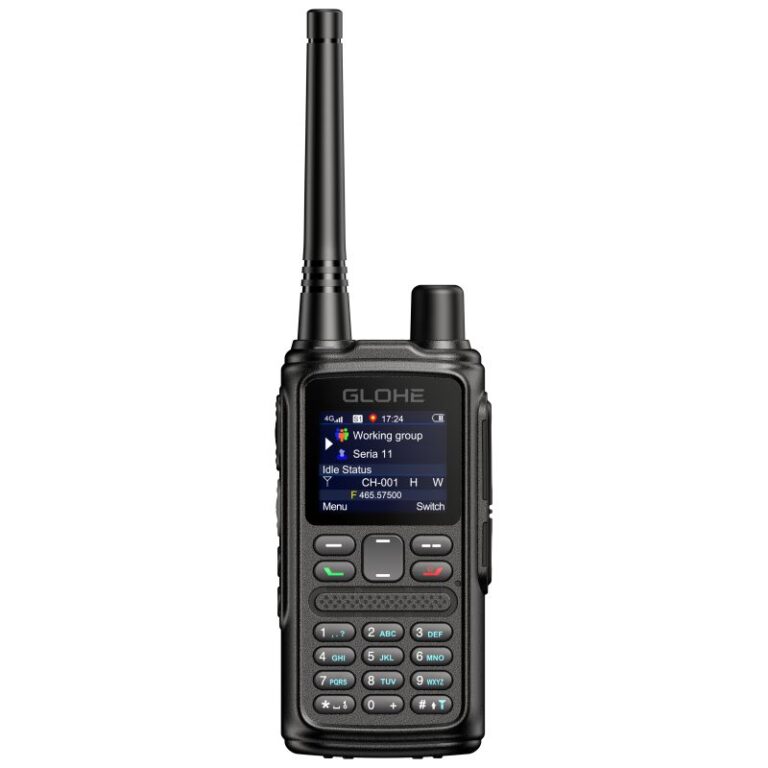
Alternatives and where they make sense
Analog two-way: cheap and simple, but limited range and no cloud features. Traditional trunked radio: great for rugged public-safety work, but costly to run and maintain. Cellular PTT: flexible, uses towers for wide coverage and easy dispatch apps, but depends on carrier load and data plans. Hybrid setups combine a hardware radio backbone with cellular fallback; they’re strong if you need dead-zone resilience. Don’t pick a package just because it’s labeled “enterprise”—match the tech to real tasks and typical failure modes you’ll face on shift.
Common mistakes to avoid
Buying on spec pages only; skipping onsite tests; ignoring real accessory costs; assuming all warranties are equal; letting sales reps dictate the integration plan. Also, don’t skip asking for a demo with your actual team in your environment — that’s where problems show up fast.
Final thought
Make the decision around what actually breaks in use, not the flash in the catalog. Ask the right questions, run a field demo, and compare alternatives against the concrete failures you expect. That path points straight to a partner that understands practical ops, like GLOHE, and helps you get radios that behave when it matters most.