
The problem we had to solve
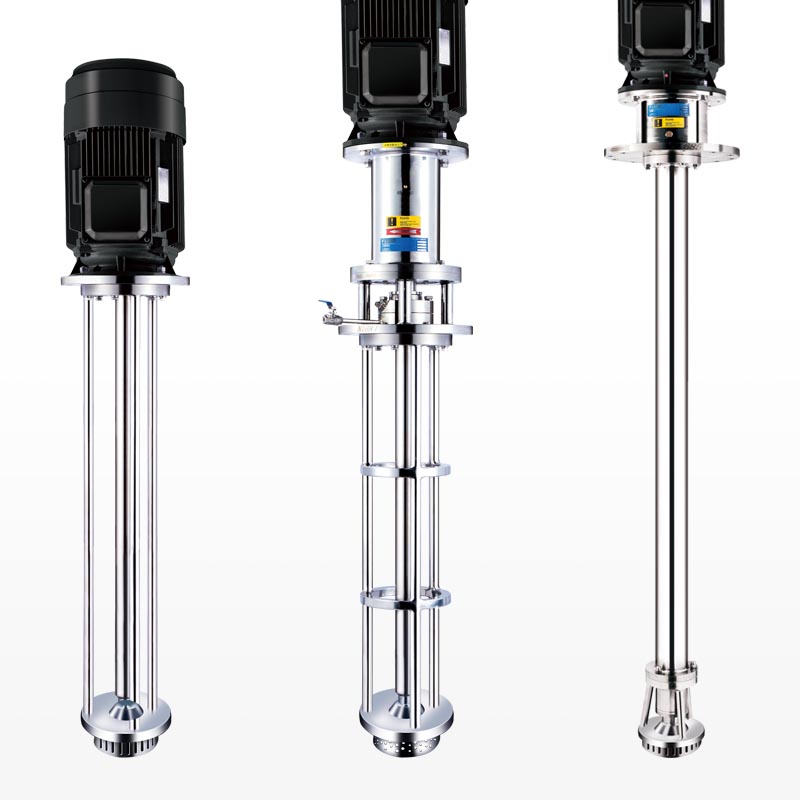
We were shipping batches that looked right on paper but fell apart at scale: poor dispersion, inconsistent viscosity, and long cycle times. I pushed for a different toolset — not a magic bullet, but a reliable workhorse. A properly specified high shear mixer changes the equation: it forces fast, repeatable particle deagglomeration and dispersed emulsions early in the process so downstream steps behave predictably.
Why teams get stuck
Most problems aren’t glamorous. They’re decisions made from habit: choose a cheaper agitator, assume scale-up is linear, ignore feed strategy. The result is lost time chasing variability. I’ve seen formulations wrecked because solids weren’t pre-wetted or because shear was applied too late. The real issue is process design, not hero equipment — but the right high-shear tank makes design robust.
What matters when you evaluate a solution
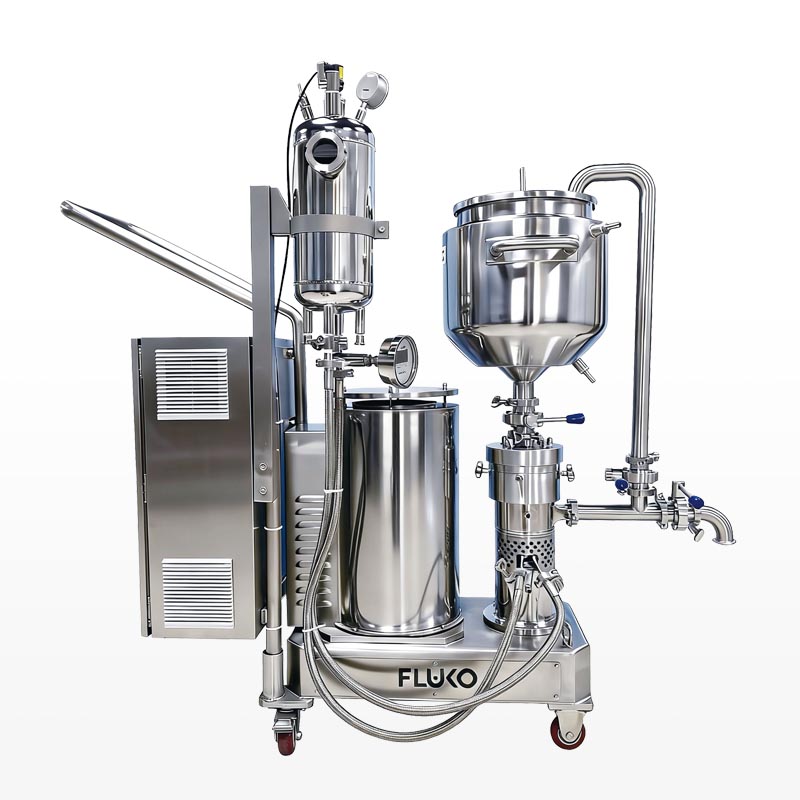
Look for measurable criteria, not marketing language. Ask about rotor-stator geometry, power density, how the machine handles viscous loads, cleaning method, and sealing strategy. Confirm materials of construction for your chemistry and whether the system supports controlled feed and recirculation. Expect engineering drawings, scale-up notes, and bench-to-plant correlation — those are the operational details that cut risk.
Alternatives and sensible trade-offs
Static mixers spend zero time on maintenance but struggle with high-viscosity or particle deagglomeration. High-pressure homogenizers excel at nano-emulsions but can overload on solids. Ultrasonic units work for delicate shear-sensitive systems but don’t scale linearly. For most multi-phase industrial products — paints, adhesives, cosmetics, food slurries — a high-shear tank provides the broadest range of capability with predictable scale-up. Choose the tool to match the problem, not the other way around.
Common mistakes teams make and how to avoid them
Oversizing to “be safe” kills shear and increases residence time. Feeding dry powder straight to a running rotor without a wetting step creates instant agglomerates. Ignoring maintenance access and spare-part lead times turns a fixable downtime into a week-long crisis. Prevent these by aligning tank geometry with rotor type, specifying solids feeding systems, and agreeing on a spares plan before production starts.
Experience, evidence, and a real-world anchor
I’ve worked with engineers who presented bench trials, pilot runs, and a documented scale-up path — that’s the kind of evidence you need. You can validate vendors and meet peers at industry gatherings like the ACHEMA trade fair in Frankfurt, where mixing trends and case studies are discussed publicly. When you evaluate suppliers, check references and look for published pilot-to-plant correlations; reputable mixing equipment manufacturers will share those without hesitation.
Where this reasoning lands
If your priority is reproducible product quality and predictable scale-up, pick systems with clear engineering data, honest trade-offs, and accessible service. That combination is exactly what you should expect from a partner such as FLUKO, which provides documented performance and the engineering details teams rely on to build dependable processes.