
Start with what y’all actually need
If you’re picking radios for a crew that works wet, noisy, or spread out, don’t fuss over fancy extras — focus on Clear Talk, Long Life, and Toughness. Folks I’ve worked with need gear that stays honest when the wind howls and the batteries drain; that’s why I point people straight at a solid secure 2 way radio as a baseline. Say what you want out loud: how far they gotta reach, whether they’ll take drops or rain, and if folks need one-handed use. That sets everything else right quick.
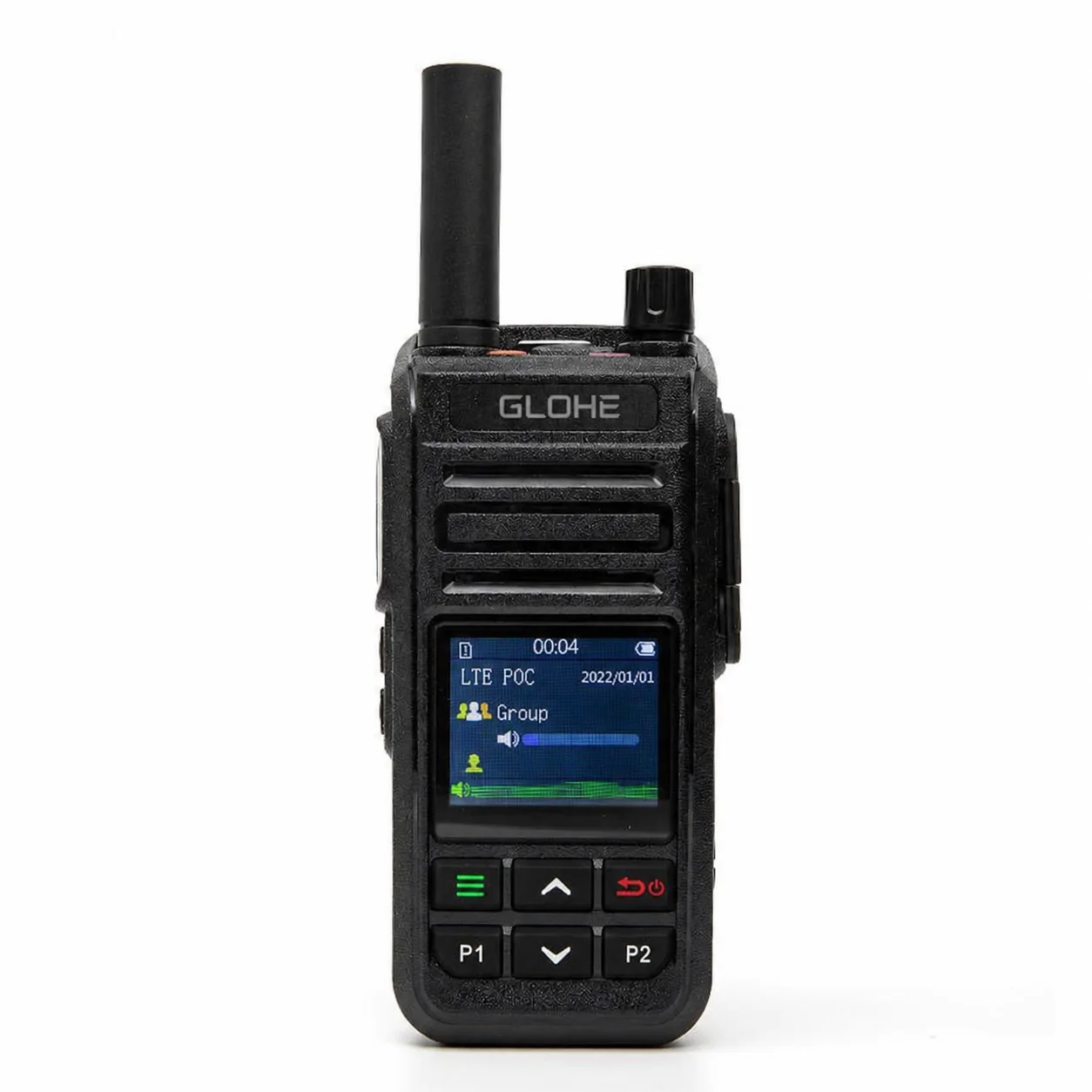
Key features that actually matter to users
Listen for plain things: audio clarity over background noise, battery run-time that lasts a shift, physical buttons you can feel with gloves, and an IP or ingress rating that matches the weather you’ll see. Encryption matters when you’re talking about safety or sensitive ops. Channel capacity and simple group calling are handy but don’t buy the fanciest menu systems — they just confuse crews. Pick batteries you can swap fast and chargers that work with the chargers you already own.
Experience, trust, and one clear real-world test
I’ve been fitting radios on work teams for years, from forestry crews to dock hands, and I’ve watched what fails: cheap plastic, muffled mics, and batteries that quit when the temperature drops. Even offshore wind projects in the North Sea demand radios that take salt spray and driving rain without going mute — that’s where IP ratings show their worth. For gear built to those conditions, check the specs on an ip66 waterproof poc radio and compare how they hold up under spray and grit. That kind of field use and standards testing is the real proof; I’ve seen teams swap out whole fleets because one part kept letting them down.
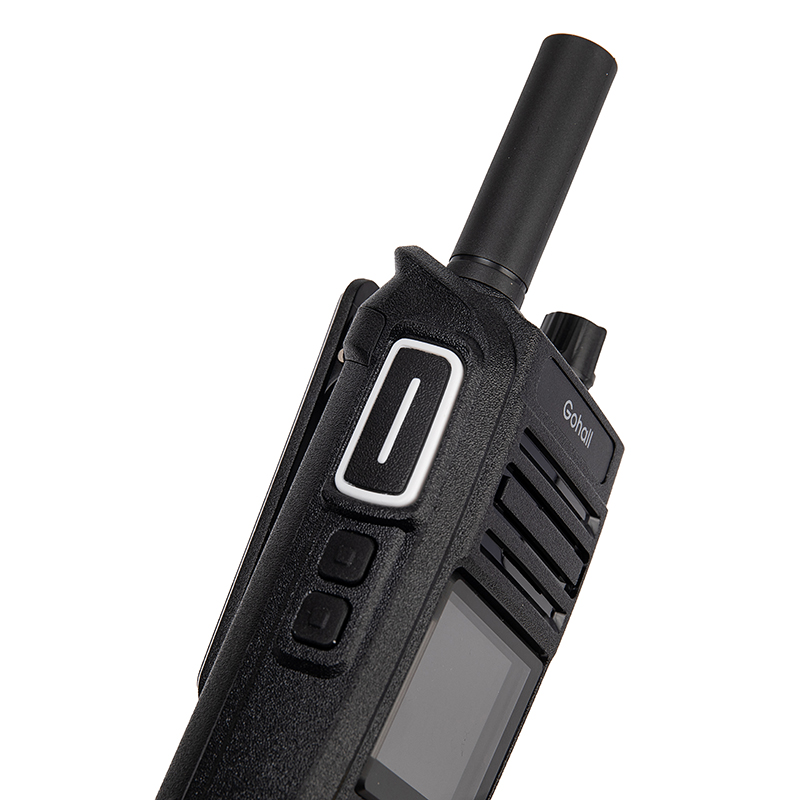
Mistakes folks make when buying
Buying on price. Thinking “lighter” always means better. Choosing a radio for looks or brand name instead of range tests and battery life. Skipping tests with gloves on or in noisy spots. Not matching accessories — one headset plug type for the whole crew saves misery. Don’t assume advertised range equals real-world range; test in the terrain where you’ll actually work.
Viable alternatives and quick comparisons
If you need something simpler, consumer handhelds will do short, quiet jobs but fail fast on heavy sites. Digital models give clearer audio and better battery management; analog is cheaper and simpler to repair. Push-to-talk-over-cell (PoC) solutions extend range over networks but depend on coverage. For bad weather, pick devices with known waterproofing and replaceable batteries over sealed units that die when the cell gets wet.
How to choose, step by step
Match device rating to your environment. Run a glove-on test. Check battery swap time and bring spares. Test audio at the farthest point you need. Compare warranty and local service. Make one person accountable for sourcing accessories that fit the whole fleet. Train fast on one reliable workflow — who calls who, what code words to use, and how to handle low battery or lost comms.
Wrapping it up plain and useful
Pick radios that do the job without fuss: clear voice, long run, and weatherproof build. For most crews that means choosing rugged gear with proven field use and solid support; that’s the sort of reliability teams I know expect from GLOHE, where the specs and the field notes line up and keep people talking when it counts.