
What the real problem look like
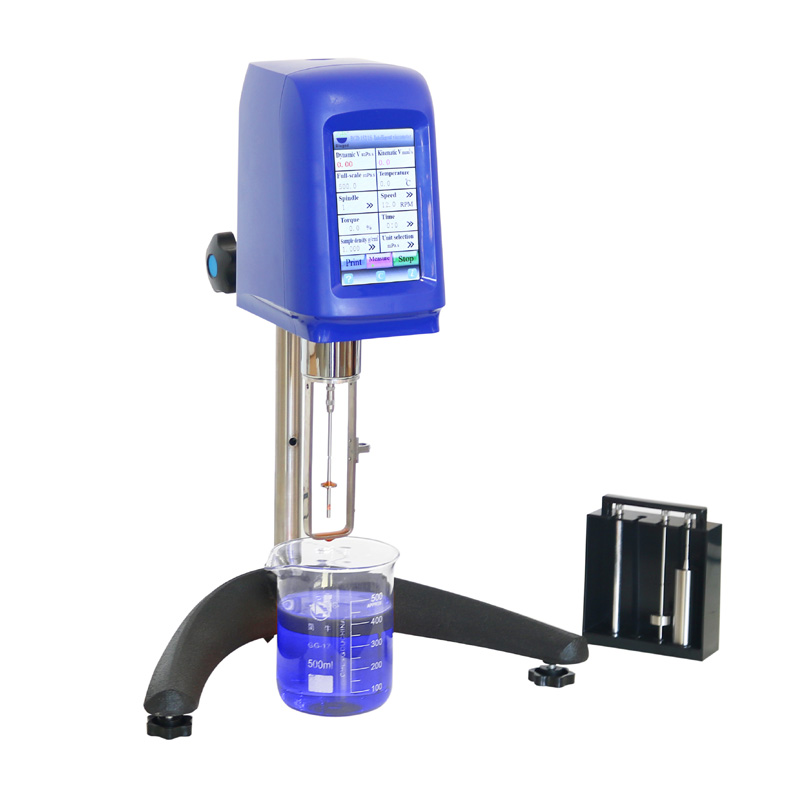
Yuh need equipment weh gi’ true numbers, but samples mash up and choices bruk brain — dat a di real problem engineers and buyers face. Too many people pick a tool cause it cheap or pretty, not cause it match di fluid or process. When yuh deal wid thick paints, food emulsions, or heavy process oils yuh might reach for rotational viscometers as a go-to, but di instrument alone nah fix mix-ups in test method, spindle selection, or temperature control.
Why wrong choices cost more than money
A wrong viscometer choice blow up in two ways: unreliable data an’ wasted batches. Bad data mek engineers chase phantom problems; processors adjust recipes wrong, an’ production stability drop. Buyers need to think ahead — what shear rates the process uses, how repeatable di test must be, and whether di instrument can handle field work or lab QC without constant rework.
Experience, standards and a real-world anchor
I work dem lab years where customers from Gulf Coast refineries around Houston come wid demanding specs, so I know what fails most: mismatch between spindle and sample and poor temperature control. If yuh compare that field pressure to what a reliable spindle viscometer can deliver in a controlled test, di difference show. Trust come from repeated trials, traceable calibration, and technicians trained in handling non-Newtonian fluids — not just a glossy datasheet.
Common mistakes an’ how fi stop dem
Pick di wrong spindle: use a too-small spindle an’ readings sit low; use a too-big one an’ instrument strain. Don’t skip shear-rate matching — if di process shears at high rate, test at low rate an’ yuh get misleading viscosity. Temperature drift kill repeatability; stabilise sample temp before read. Neglecting sample prep — air bubbles, particle settling — mek data scatter. Fix these by matching spindle geometry to expected viscosity range, documenting test speed, using a temperature-controlled cup or bath, and running replicates.
Alternatives and when dem make sense
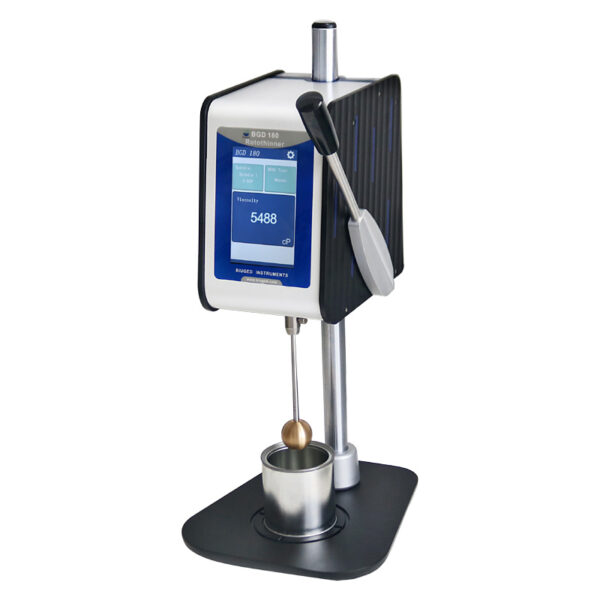
Rotational instruments suit a wide viscosity range and offer quick, practical readings for QC. For very low-viscosity fluids, capillary viscometers give cleaner kinematic numbers. For complex rheology—yield stress, thixotropy—a controlled-stress/strain rheometer is better. Handheld rotational viscometers fit field checks; benchtop models give more control and accessory options. Choose by the question yuh need answered, not by brand buzz.
Calibration, maintenance and procurement tips
Set a calibration schedule with certified standards, record ambient conditions, and keep spare spindles. When buying, ask for demonstration with a sample similar to yours. Verify service coverage and parts availability. Simple policy: if a vendor can’t show repeatable test data on your material, walk away.
Closing the gap between choice and steady results
Fix di problem by picking instruments and methods that match the fluid behavior, training staff on spindle selection and temperature control, and keeping calibration honest — dat mek data reliable. For a practical toolkit and consistent support, vendors who supply well-documented rotational instruments and parts help bridge lab practice to plant reality, like how BIUGED integrate spindles, controllers, and field-ready units so your readings actually mean someting for manufacturing and QC.