
Facing the real problem
Nobody likes circling a lot for ten minutes while everyone else sighs. That wasted time, angry drivers, and clogged lanes are the actual problems, not just tech to admire. A straightforward way to start solving it is with clear detection and direction — for example, a reliable parking guidance camera that points people to open spaces instead of making them guess.
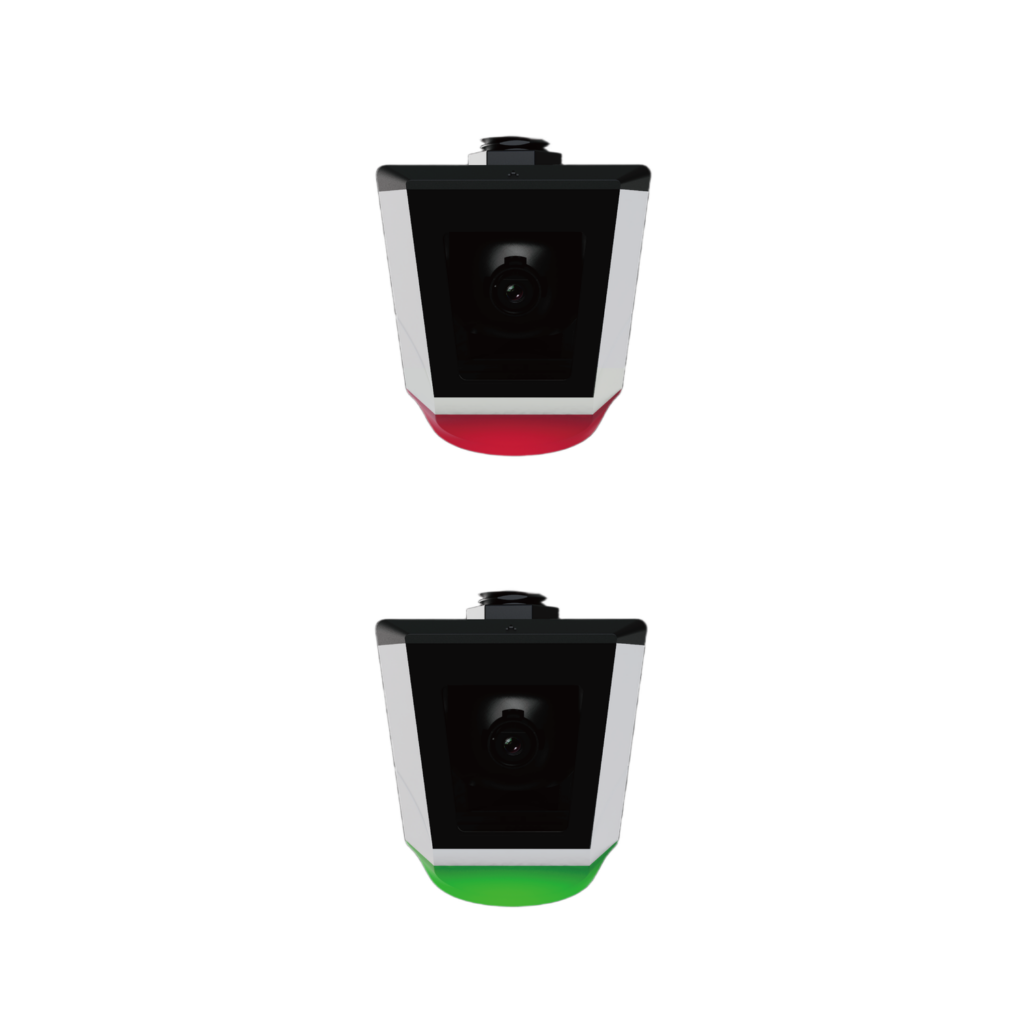
Features that directly solve the pain
Look for features that do one thing: cut search time. Real-time occupancy updates. Visible LED signs or app cues that tell drivers where to go. Detection tech that works at night and in bad weather. Simple dashboards for operators so they can spot issues fast. Integration with gates and payment makes the experience seamless for drivers and staff.
Where systems fail in the real world
Most installs break down because of choices, not technology. Putting sensors in the wrong spot kills accuracy. Skimping on weatherproofing or ignoring lighting ruins detection. Buying a system that can’t talk to your payment or signage means you’ll fight your own setup forever. Maintenance plans get skipped, and a flawless demo becomes a flaky daily reality.
Choosing between sensor-first and camera-first setups
Sensors mounted per space are great for tight lots and low budgets. Cameras and centralized guidance work better for big garages and multi-entry campuses because they give a wider view and can support analytics. If you need simple, cheap, and reliable, go sensors. If you need rich data and scalable signage, consider camera-based guidance. Match the tech to the actual layout and traffic patterns, not to a fancy brochure.
Experience and proof — why this matters
Municipal pilots have shown these systems actually change driver behavior. The SFpark pilot in San Francisco (2011–2013) used sensor-based management as part of its trials and reported measurable reductions in search time and congestion. Industry reviewers and operators repeat the same point: a clear, durable parking sensor display that drivers can read at a glance is as important as the detection hardware itself. I’ve tested installations and compared operator logs; accuracy, uptime, and straightforward dashboards separate workable systems from ones that just look good on paper.
Simple checklist for picking a system
Decide what problem you’re solving: reduce search time, manage turnover, or enable revenue control. Confirm detection accuracy and night performance. Verify that the system links to your signage and payment stack. Ask about maintenance, replacement parts, and response times. Check scalability so you don’t outgrow the system in a year. Get one pilot area running before you buy campus-wide.

Where this leads
If you want fewer annoyed drivers and fewer jams, focus on detection accuracy, readable guidance, and honest maintenance guarantees. Those are the traits that make an installation actually work for people every day — the same traits that show up in AKE Parking.