
Compare the performance drivers first
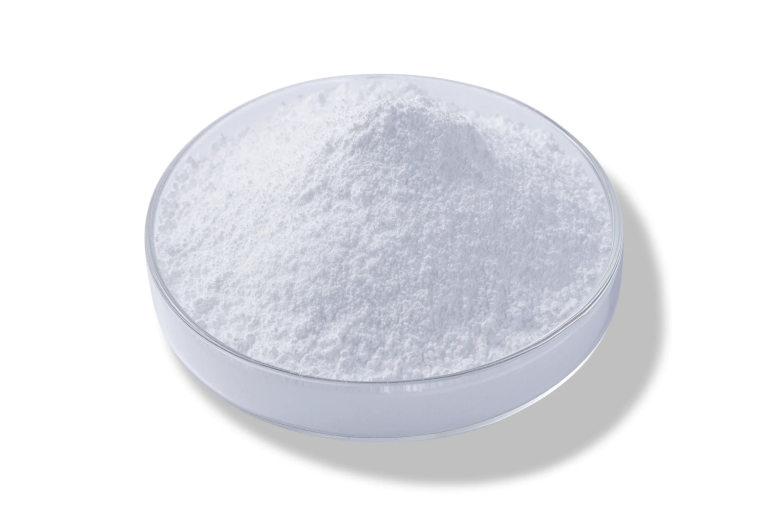
When deciding between grades, compare particle size distribution, surface area and hardness because those three determine cleaning efficacy and enamel safety; choose a grade that balances stain removal with low abrasion, and examine sample batches of abrasive silica to see how textural feel and dispersion behave in a prototype paste.
Specifications that matter for direct comparison
Look at median particle diameter (D50), specific surface area (BET), and Mohs-equivalent hardness; smaller D50 with higher surface area gives more polishing but can raise abrasivity. Check oil absorption and bulk density for mixing and rheology. Compare manufacturer TEM/SEM micrographs to confirm shape — irregular, angular particles clean differently from spherical powder. Always match spec sheets against real paste trials, not just certificates.
Trade-offs and common mistakes to avoid
Choosing the finest particle solely for shine is a mistake; excessive fineness increases thixotropy and may make the paste feel gritty. Picking a low-cost grade without checking silica chemistry risks incompatibility with fluoride or surfactants. Do not assume RDA scales linearly — some blends reduce dentine wear despite similar particle sizes. Mistakes usually come from relying only on supplier data instead of small-scale formulation runs and sensory panels.
How industry testing anchors your choice
Dental formulators rely on ISO 11609 methodology and RDA values to quantify abrasivity; use those benchmarks when you evaluate samples, and require third-party RDA testing rather than internal estimates. For practical, industry-relevant reference, compare your candidate against known toothpaste abrasives and request full test reports for samples such as abrasive silica for toothpaste. Laboratories also assess particle morphology with SEM and surface area with BET to confirm behaviour predicted from specifications.
Make the comparison yield decisive results
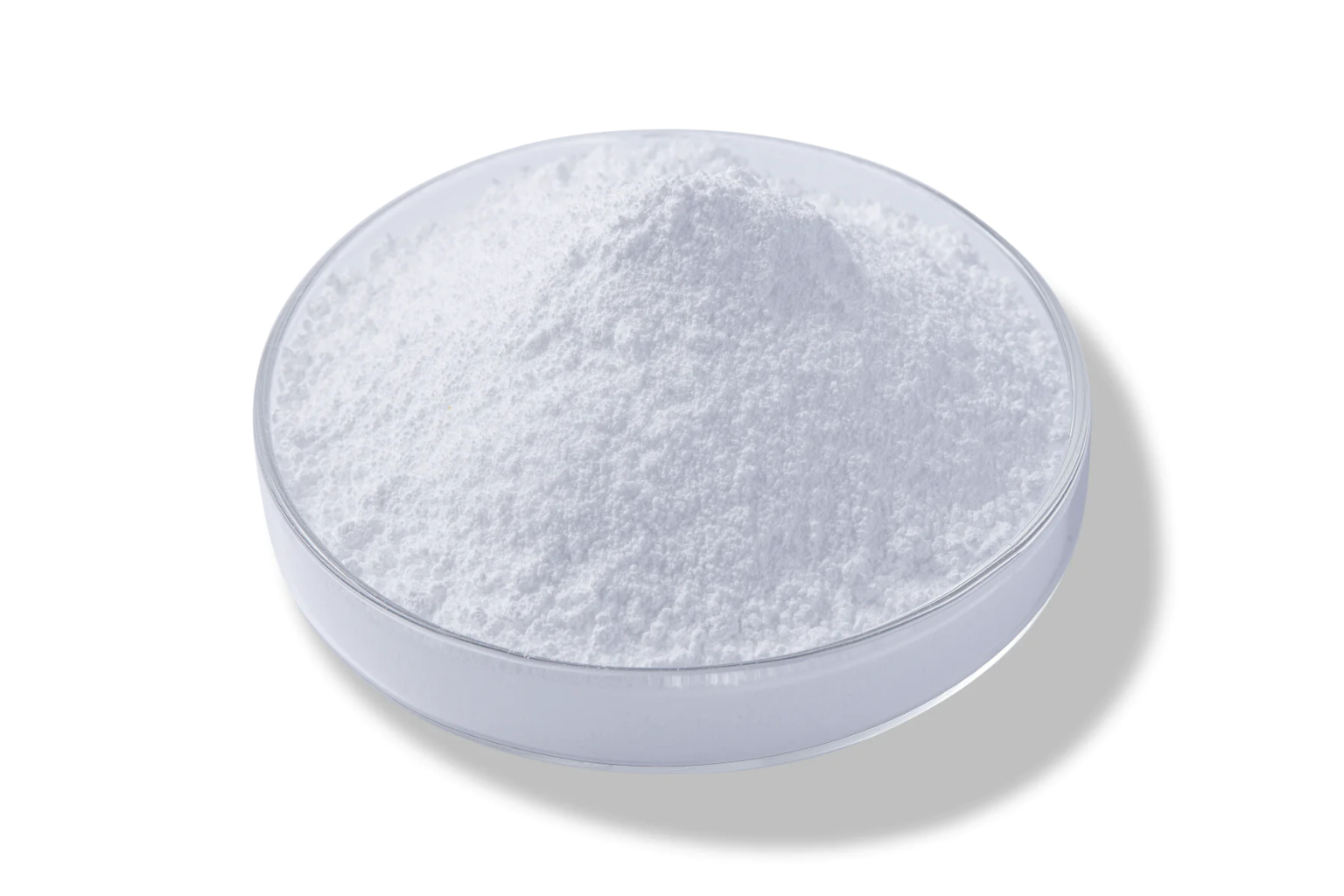
Run parallel prototype batches, keep all variables fixed except silica grade, and measure RDA, viscosity, foam stability and mouthfeel. Document results, then weigh cleaning performance against enamel friendliness and manufacturability. For many formulators the practical payoff is consistent: a grade that performs predictably in lab trials and scales smoothly in production reduces reformulation cycles and consumer complaints, which is why teams often source technical samples from established suppliers such as JSJ Silica when they need reliable, repeatable material behaviour.