
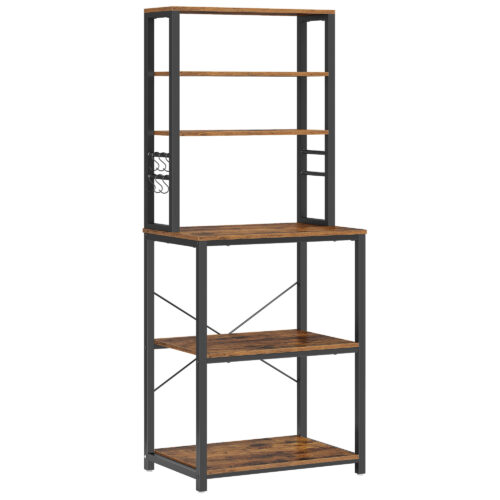
Introduction—Framing the Choice
It’s early, the kettle’s on, and a cramped prep area starts its dance with time and trays. In the quiet before service, kitchen racks manufacturers are the unseen partners holding the rush together. Last year, audit data from mid-sized kitchens showed up to 28% of shelf space went underused due to poor sizing and wobble, while pick times rose by nearly a fifth—small numbers, big drag. So here’s the question: when you scale, do you buy what looks sturdy, or what actually fits the way your kitchen works (no messing)? The difference is money, safety, and calm.

In Dublin we say, make it tidy and make it last, or you’ll chase your tail later. Specs matter. But context matters more. Your bakery, cloud kitchen, or café line has a rhythm. If the racks don’t match that rhythm, the whole song goes flat. Let’s move from the craic to the craft and look at what separates a “grand” rack from a great one. On we go.
Hidden Friction in the Wholesale Rack Decision
Where do traditional choices fall short?
The common choice is to pick a wholesale kitchen storage rack by height, price, and a quick feel for sturdiness. That’s the old way—and that’s the rub. A better way is to test against load rating, corrosion testing, and tolerance stack-up. Technical, yes, but practical too. Powder coating can look sharp while hiding weak prep, and cold-rolled steel can perform wildly different under heat and humidity. Look, it’s simpler than you think: if a rack’s weldment tolerances drift, the shelf tips, the casters chatter, and your trays creep forward. Then someone over-tightens, and the frame bows. Minutes lost per shift become hours per month—funny how silent costs stack.
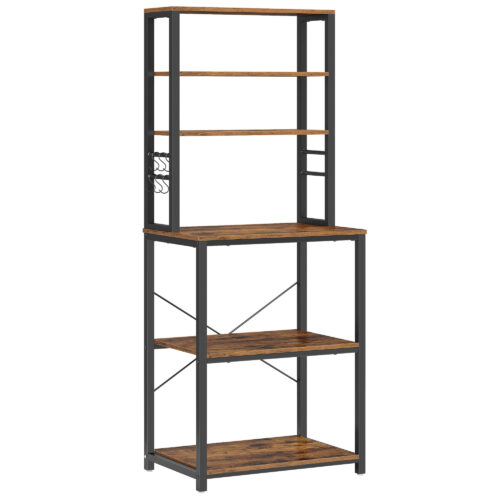
Hidden pain points show up after install. A standard bay that looks tidy on paper—until your pan depths vary, or the reach zone is off by a hand-span. Staff shift posture, fatigue rises, and near-misses jump. Traditional specs ignore SKU rationalisation, so you end up with dead corners and risky overhangs. Add cleaning cycles and chemical exposure: a cheap galvanised finish blisters, and the uprights get pitted. Then the supply chain lead time bites; a single missing cross-brace stalls expansion for weeks. It’s not about fancy jargon. It’s about matching the job to the rack, not the other way round.
Comparative Paths Ahead: Smarter Specs, Fewer Surprises
What’s Next
Let’s compare two paths. Team A buys by catalogue, installs fast, and meets code—grand for a month. Then they re-slot the line, the corner station grows, and the racks start drifting from the workflow. Team B maps zones first, checks reach bands, and picks tier spacing that matches trays, bins, and prep heights. They spec casters by floor type and cleaning routine. When Team B adds new stations, the same uprights accept extra tiers with no wobble. That’s the quiet win. If you expand into a second site, the same logic holds for wholesale kitchen racking shelves: compatible components, predictable lateral stiffness, fewer tools needed. Less faff, more flow—funny how that works, right?
One brief case: a coastal bakery chain moved from painted frames to sealed powder coating plus stainless inserts on high-splash tiers. They cut corrosion replacements by 60% in a year and trimmed pick paths by setting shelf pitch to match standard trays. They also set a simple rule: no tier without a proven load rating at 1.5x expected weight. The result wasn’t flashy. It was steady. And steady keeps the ovens singing.
Three metrics to guide your choice, before you buy: – Fit-to-workflow index: do tier spacing, bay width, and reach zones match your top five tasks without stretch or step? – Durability score: independently verified load rating, coating type vs. cleaning chemicals, and caster spec vs. floor. – Expansion readiness: modularity, replacement lead time, and cross-site component compatibility. Keep to those, and the rest will follow, slow and sure. For sourcing and deeper specs without the hard sell, see SONGMICS HOME B2B.