
Opening: why a comparative view is useful
When landscape architects and contractors choose hardscape illumination, the decision often hinges on performance trade-offs rather than aesthetics alone. This comparative piece examines how specialized LED outdoor wall fixtures stack up against other options for site-specific goals, and it places particular emphasis on the role of outdoor pier mount lights in combined schemes. The objective is practical: help project leads and lighting engineers map requirements — such as lumen output, IP rating, and mounting constraints — to product types and procurement strategies.
Key evaluation dimensions
Comparisons are most useful when anchored to measurable criteria. For hardscaping, focus on three core dimensions: photometric performance (lumen output, beam angle, and correlated color temperature/CCT), environmental resilience (IP rating and corrosion resistance), and integration factors (mounting base, wiring access, and control compatibility). These three lenses reduce subjective debate and guide engineers toward fixtures — wall-mounted luminaires or pier units — that meet both code and design intent.
How specialized LED outdoor wall lights differ from pier and column options
Specialized LED wall fixtures are tailored for façade washing, step illumination, and targeted accenting. They typically deliver narrower beam angles and controlled cutoff to avoid glare, which is useful along retaining walls and pathways. By contrast, pier or column units tend to provide broader distribution and higher mounting elevations, making them effective for perimeter lighting and signage illumination. When specifying, consider whether the project prioritizes upward façade grazing (choose wall luminaires) or broad-area distribution from a raised platform (choose pier mount or bollard styles).
Performance trade-offs in real projects
Decision-making must reflect site realities. For example, wall fixtures are compact and can be recessed into concrete or stone walls, but they may require more frequent access for servicing LED modules and drivers. Pier mount solutions simplify maintenance at the column top but demand structural coordination for mounting and wiring runs. In urban retrofits such as installations at Queen Elizabeth Olympic Park, designers balanced glare control and public-safety illumination by combining low-glare wall units with elevated pier lights to create layered scenes — a practical template for mixed-use hardscapes.
Common specification mistakes and how to avoid them
Projects often fail on three predictable points: inadequate photometric studies, unclear IP requirements for wet zones, and incompatible control protocols (DMX, 0–10V, or DALI). Avoid these by requiring lumen-target worksheets, specifying minimum IP65 for exposed fixtures, and confirming control standards in the bid documents. Also watch neck-and-fit issues — for example, assuming an off-the-shelf wall luminaire will mate to a chosen mounting base without checking flange dimensions can delay installation. —
When modern pier mount lights are the right choice
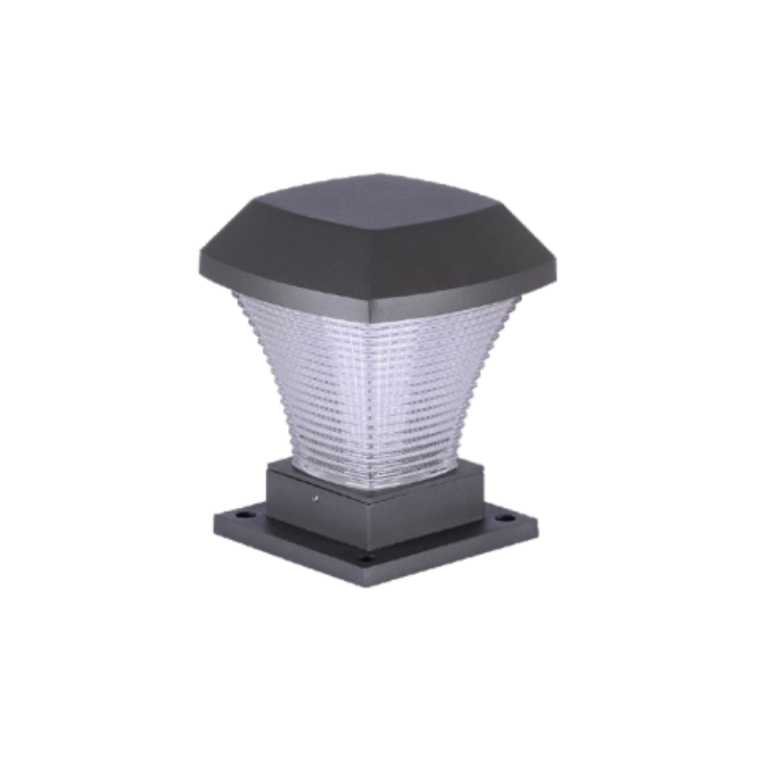
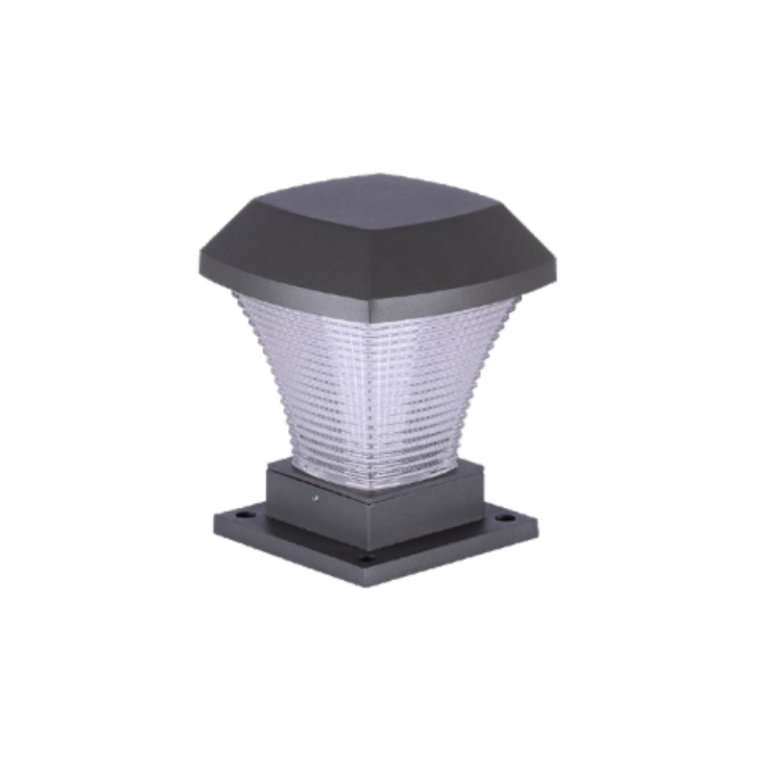
Use pier units when you need elevated, uniform light distribution along walls, plazas, or driveway perimeters. They are particularly effective where the landscape includes raised planters or low parapets that would otherwise shadow wall-mounted units. If your project seeks strong ambient field light with simple access for driver replacement, consider modern pier mount lights as a core element of the scheme — they often reduce the total number of fixtures required and simplify conduit routing.
Alternatives and complementary strategies
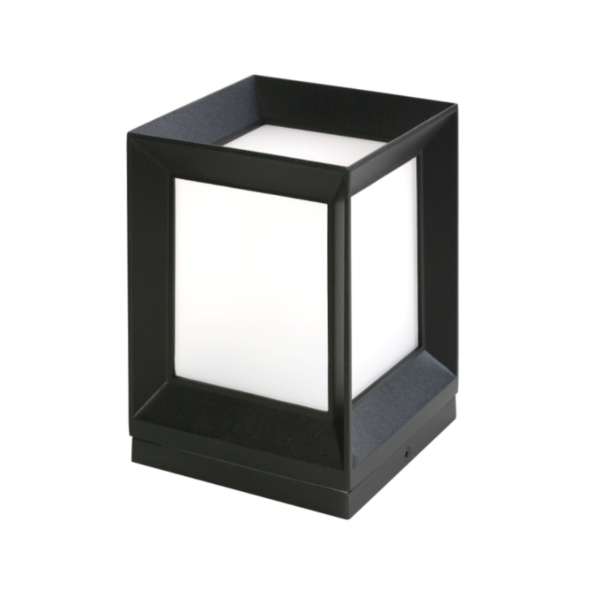
There is no one-size-fits-all solution. Typical strategies include pairing low-profile wall luminaires for accent and step illumination with pier or column fixtures for area continuity. In some high-design schemes, recessed linear wall washers can replace discrete wall spots to emphasize texture. For retrofit scenarios, modular LED modules with replaceable drivers are a sensible compromise; they lower lifecycle cost and ease future upgrades to control systems.
Real-world anchor: lessons from public-space retrofits
Large-scale urban retrofits provide instructive benchmarks. City projects that used both targeted wall luminaires and pier mounts reported measurable reductions in energy use while improving perceived safety; these outcomes align with municipal goals to lower operational cost and light pollution. In practice, a layered approach—accent, task, and ambient—produces the clearest results when photometric studies are performed early and mounting details are coordinated with civil trades.
Three golden rules for choosing fixtures (advisory close)
1) Verify photometry before purchase: require IES files and confirm target lux levels and beam control on-site. 2) Specify environmental durability: set minimum IP ratings and finish standards tied to expected exposure and salt or chemical exposure. 3) Design for maintainability: choose fixtures with accessible drivers and a clear service plan to reduce lifecycle costs.
These rules point toward solutions that balance performance, resilience, and total cost of ownership — and they show where a vendor with both product breadth and technical support can add value. For many projects, that practical alignment leads teams to suppliers who can deliver consistent specification guidance and coordinated products. Keyida. —