
When Common Fixes Miss the Real Problem
Last rainy season I stood on a tin roof in Cebu watching a 5 kW commercial array drop from 3.5 kW to 0.7 kW during a short cloud band—what was hiding behind that sudden loss? That morning I traced the fault to a faulty solar string inverter, not the modules, and it changed how I assess sites. I’ve been installing and servicing PV for over 15 years for wholesale buyers and small developers, so this wasn’t my first rodeo; but it was a clear example of how surface-level fixes mask deeper flaws.
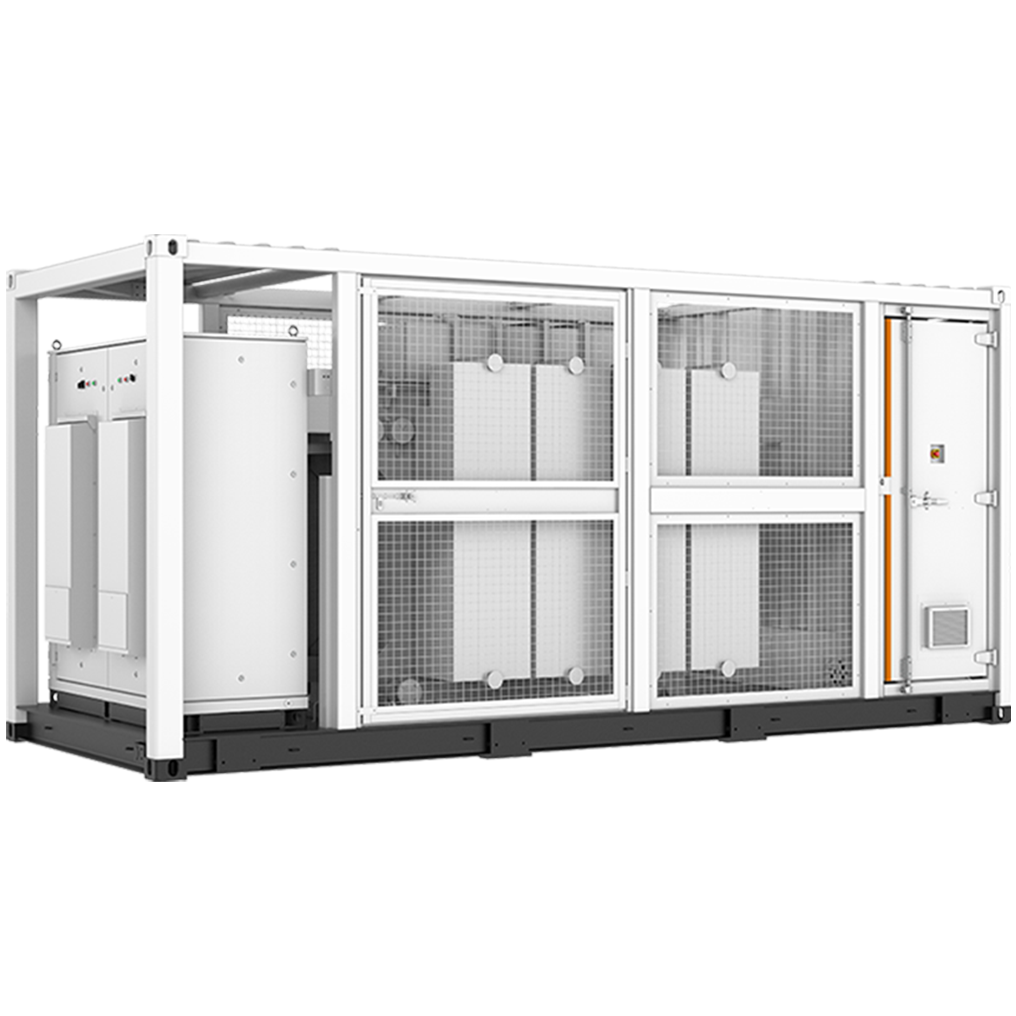
I want to be blunt: most teams treat the inverter as an afterthought. They check panels, clean glass, then replace a fuse and call it good. In practice, issues live in MPPT mismatches, poor string monitoring, or subpar DC/AC conversion that amplifies shading and mismatch losses. In one job on 12 March 2021 at a Cebu barangay mall, swapping the inverter model (a 5 kW three-phase unit) and reconfiguring MPPT zones raised daily yield by 18%—no new panels, just better matching and tuning. That specific 18% was a wake-up call. (No sweat, but it should not have been necessary.)
Traditional remedies—resetting, manual de-rate, blanket string bypassing—reduce immediate downtime but leave persistent efficiency loss and hidden failure modes like inverter thermal stress and anti-islanding trips. Those pains stack: lower inverter efficiency, missed revenue, and more frequent maintenance visits. I’ll walk you through how to compare properly next.
Comparative Path Forward: Which Features Actually Matter
What’s Next
Now I compare practical choices so you don’t buy features you won’t use. First, revisit how you measure success: is it peak efficiency, lifetime uptime, or ease of service? For commercial buyers I advise prioritising reliable string monitoring, robust MPPT algorithms, and clear DC/AC conversion specs. When I audit a site I look at data logs from the inverter—if the device won’t keep granular string-level data, that’s a deal-breaker for me. I’ve seen a rooftop return to normal after replacing a cheap unit with one that offered per-string telemetry; the installer fixed shading mismatches in hours rather than weeks.
Technically, you want an inverter that handles partial shading without throwing the whole string off (effective MPPT), has high inverter efficiency at the site’s typical operating point, and supports clear communications for remote fault diagnosis. In practice that means checking nameplate curves, decline rates at 25°C vs 50°C, and whether the unit supports on-site updates. I watch models’ thermal derate behavior closely—some drop output aggressively after 45°C while others sustain production. Small detail: during an afternoon inspection last May I recorded a 7% drop from thermal derate alone—read the fine print.
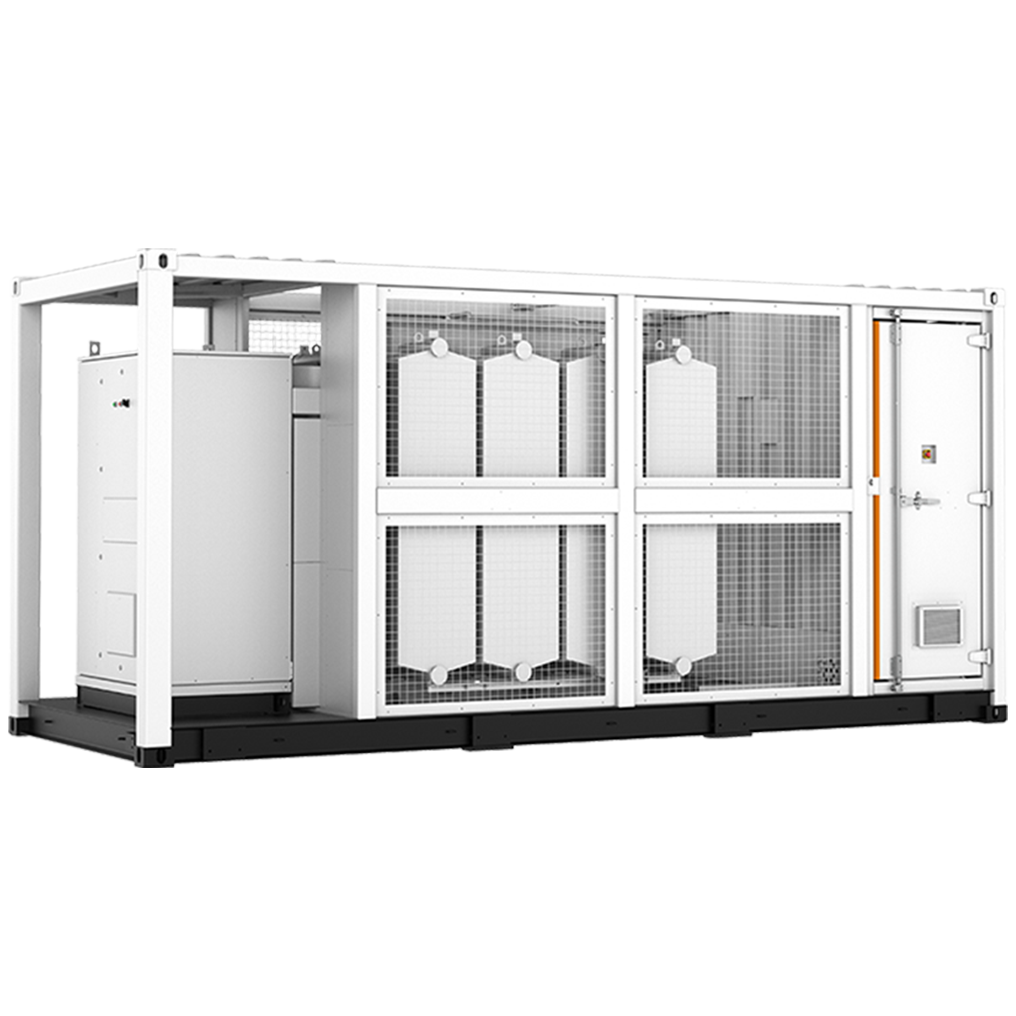
Also, think about serviceability. Can you swap a power module without taking the whole array offline? How quickly can firmware be updated on-site? These factors cut downtime and operating expense. We tested a comparable pair of units across two rooftops (same tilt and orientation)—one had remote string monitoring and an easier replacement path; it paid back quicker. Interruptions happen—short ones help you learn. —I’ll note that live logging is a lifesaver.
To close with actionable advice, here are three evaluation metrics I use when recommending a solar string inverter to wholesale clients: 1) measured inverter efficiency over expected site temperature range; 2) scope and granularity of string monitoring and communications (Modbus/RS485, Ethernet, etc.); 3) service workflow: hot-swap modules, accessible firmware updates, and documented thermal derate curves. These make the difference between an inverter that simply runs and one that truly protects yield. I’ve seen it in Cebu, Manila, and Iloilo—real results. For dependable supply and support, consider sungrow.