
Introduction — a quick, sweaty warm-up
I was running late for a morning run when I smeared my toothpaste and noticed the grit on my brush — a tiny reminder that the things we trust to clean our teeth are engineered, not magic. In fact, toothpaste material matters: from silica to calcium carbonate, the choice defines how well stains lift, how safe enamel stays, and how the paste feels in your mouth. You’ve heard the numbers: millions of tubes sold, dozens of formulations, and the Relative Dentin Abrasivity (RDA) scale that quietly governs our smiles. So here’s the question I keep asking myself — and you: are we picking pastes by flavor and brand or by real science that protects enamel and removes stain? (Yes, I get passionate — let’s pump this up.)
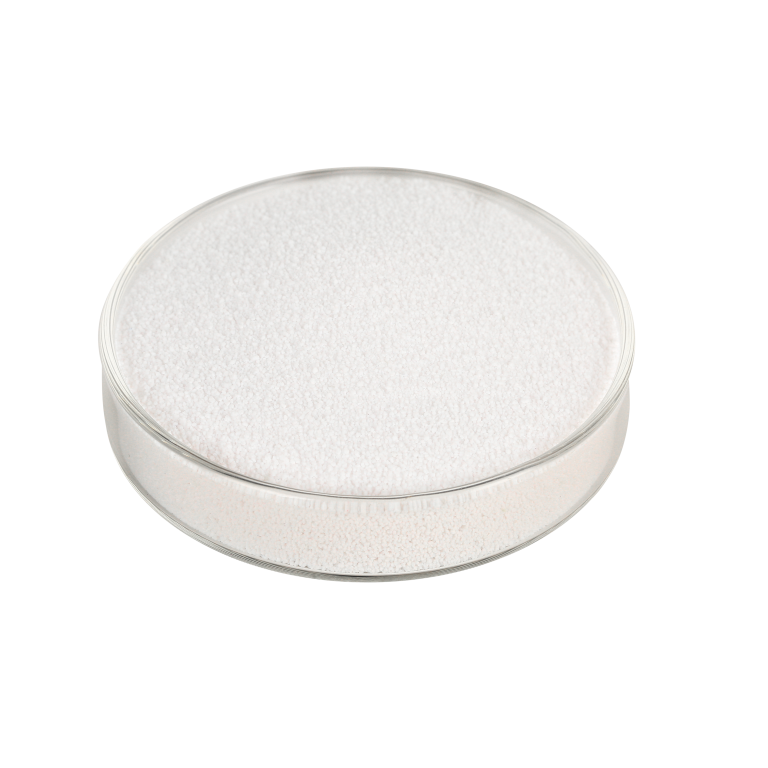
I want us to look sharp and smart about this. I’ll compare the known players, point out where common instincts fail, and show practical ways to read labels without getting lost in jargon like particle morphology or surface area. Think of this as a training session: short, focused, and actionable. Ready? Let’s move into the details and see where the real gains are.
Where the grit breaks down: flaws in common approaches
toothpaste abrasives are the workhorses inside a tube, but they aren’t all equal — and many traditional fixes miss the point. I’ve studied formulations where manufacturers used coarse calcium carbonate or poorly controlled silica particles that promised whitening but actually raised enamel wear (RDA creep). The problem is not just abrasion level; it’s particle morphology, distribution, and how ingredients interact with fluoride and surfactants. Look, it’s simpler than you think — a sharp edge on a particle will scuff enamel more than a rounded, controlled particle of similar size.
What’s really failing?
First, manufacturers chase immediate whitening effects and ignore long-term dentin safety. Second, consumer testing often covers taste and foam, not micro-abrasion. Third, supply variability — inconsistent particle size or surface treatment — leads to batches that behave differently. These are not tiny issues. They affect wear rate, stain lift, and user comfort. I’ve seen lab creases where hydrophilic coatings changed how particles cluster — funny how that works, right? In short: classic solutions emphasize grit without the control tools of modern materials science (particle engineering, surface functionalization). That’s the hidden gap we need to close.
Looking forward: smarter abrasives and practical metrics
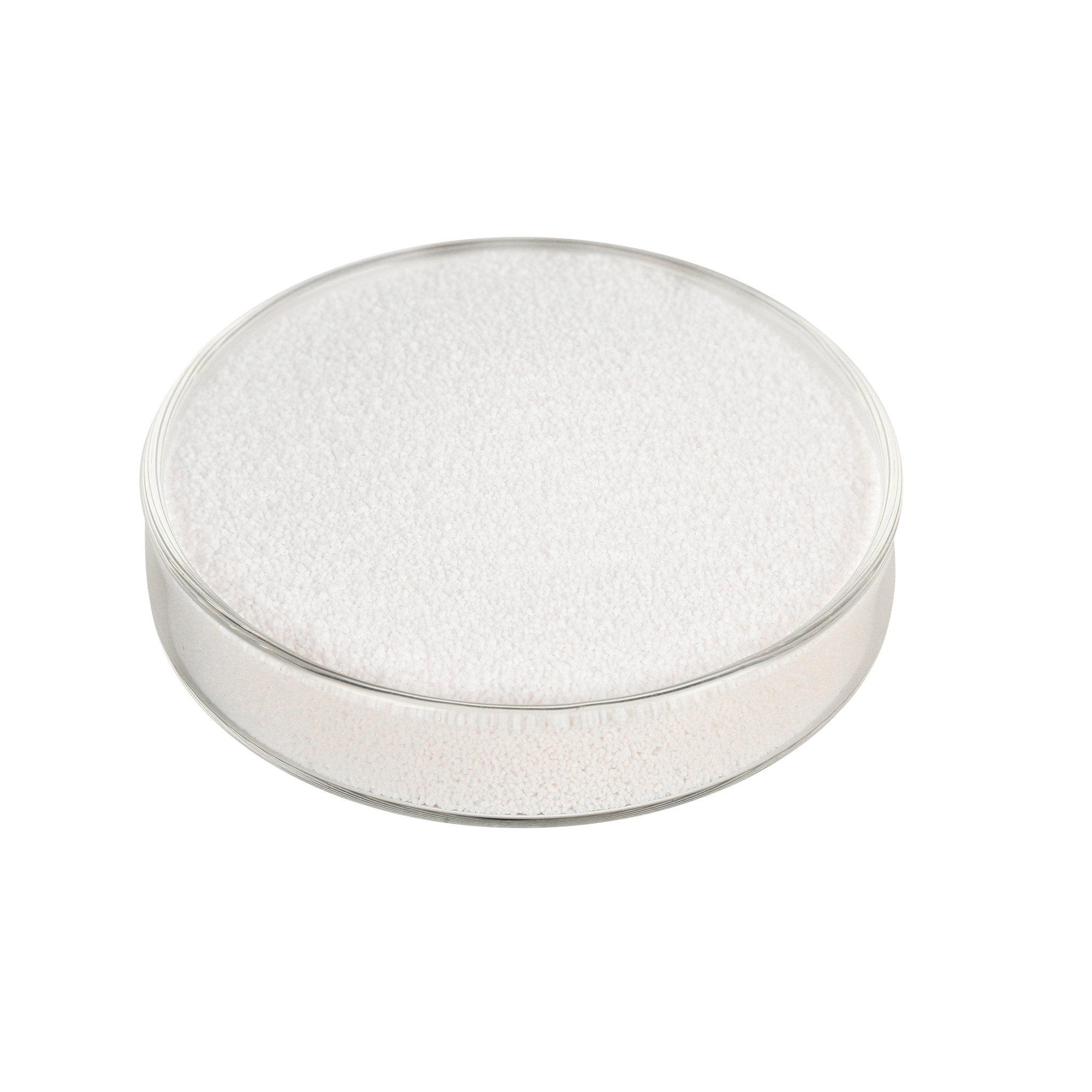
Now let’s talk about how to do better. New formulations blend engineered silica with controlled particle shape, surface coating, and tuned porosity to balance cleaning with enamel safety. When I review a paste, I look for evidence of particle characterization — size distribution, SEM images, and any mention of surface treatment. These elements are the new rules: controlled particle morphology, predictable surface energy, and compatible chemistry with fluoride. I’m not saying every brand will publish lab sheets. But they should disclose more than fluff. And — yes — manufacturers can and are optimizing these parameters to reduce RDA while keeping stain removal high.
What to look for next
Here are three practical metrics I use, and you can too, when comparing pastes: 1) RDA number (lower is safer; context matters), 2) particle description (rounded vs. angular; silica vs. carbonate), and 3) clinical test results on enamel and dentin over time. Evaluate those, and you’ll separate marketing from substance. Also watch for mentions of surface functionalization or porosity control — real signals manufacturers are thinking like material scientists, not just flavor chemists.
To wrap up, I’ve learned to trust my eyes, my lab reports, and a dose of skepticism. We can demand smarter toothpastes that clean well and protect, rather than trade short-term shine for long-term wear. If you want a brand that’s investing in engineered abrasives and transparent data, take a look at what JSJ is doing — they’re focused on the material science behind the paste, and that matters when you care about both clean teeth and long-term oral health.