
Warm comparison to start
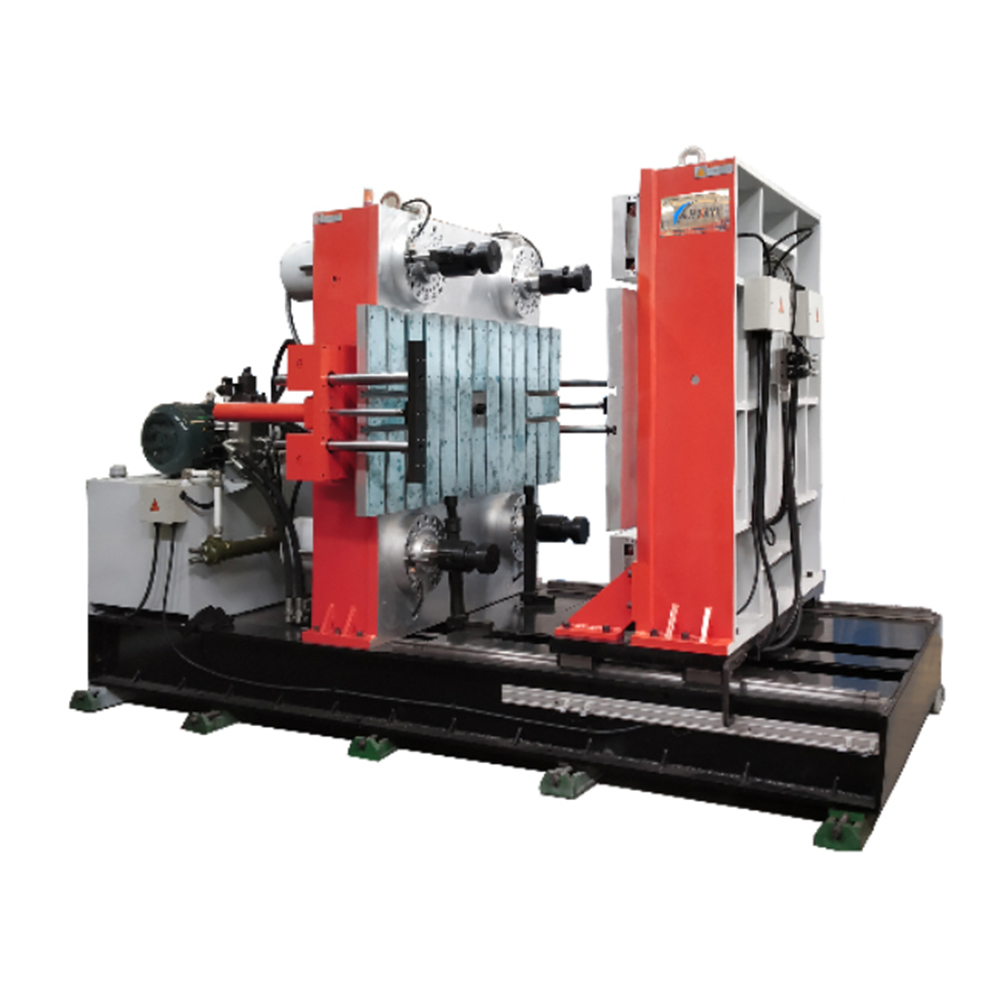
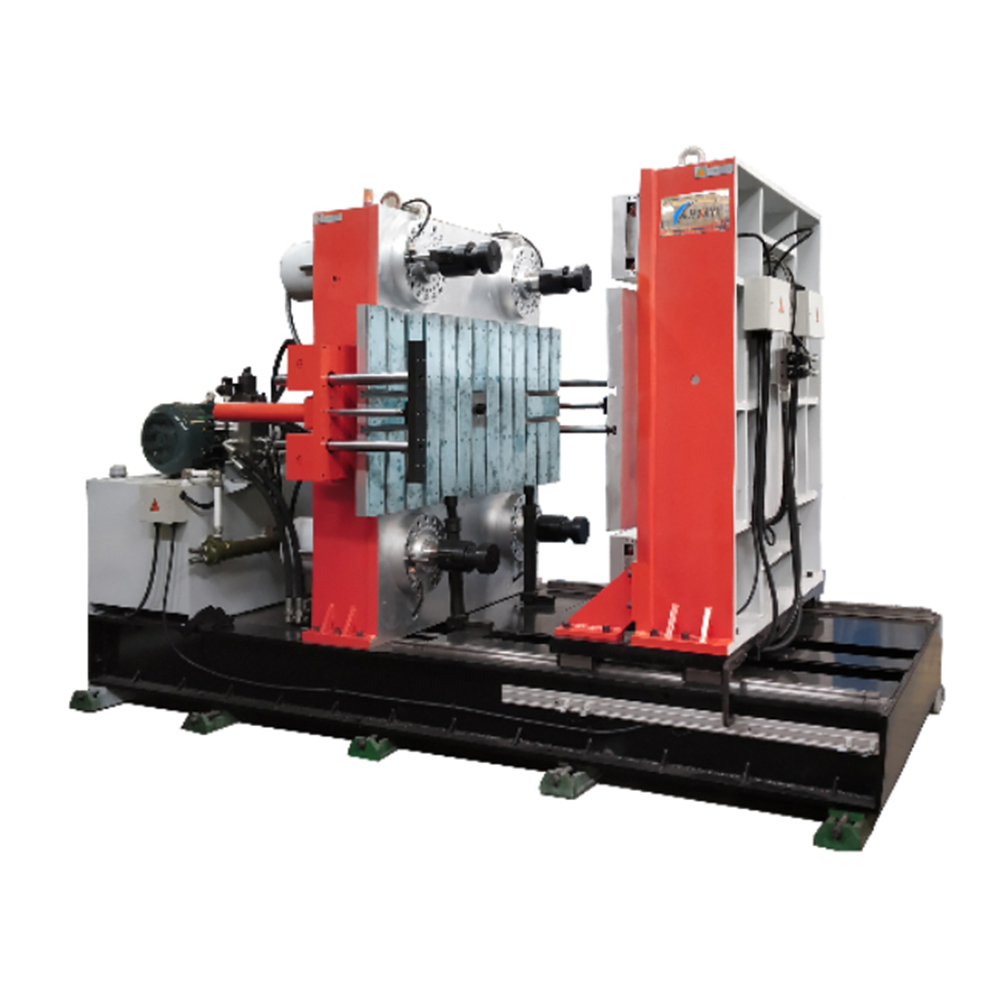
Choosing between suppliers of modern rubber molding lines hinges on measurable material behavior—think Mooney viscosity and scorch safety limits—rather than brand slogans. A clear place to begin is how a system handles LSR flows, consistent injection pressure, and repeatable cycle time across long shifts. Many facilities invest in a horizontal rubber injection molding machine or a horizontal moulding machine because the clamping and runner geometry reduce shear and help control scorch—this was especially visible among suppliers serving Stuttgart-area automotive plants during the 2020 supply disruptions, where uptime and process stability mattered most.
Why Mooney and scorch safety drive choices
Mooney viscosity gives a single-number snapshot of compound consistency. Scorch safety signals how long a compound resists premature curing under heat and shear. When manufacturers compare systems they look for real-time compensation: closed-loop control that adjusts injection speed and temperature if the measured Mooney shifts. That reduces scrap and avoids off-spec parts. Expect to see terms like clamp force and cure time in spec sheets; they’re not marketing fluff but process levers you’ll use every shift.
What next-gen systems actually deliver
Modern lines blend mechanical robustness with control intelligence. Typical advances include:- Servo-driven injection and clamping for finer injection pressure control and faster cycle time.- Integrated dosing and potting systems to manage LSR blends with consistent shot size.- Onboard analytics that track Mooney trends and flag shortening scorch safety windows before rejects occur.These features cut variation. They also let technicians focus on root causes rather than constant manual tweaks. The user interface should show real-time viscosity trends and alarm thresholds—simple, direct, and kind to the operator’s workflow.
Comparative checklist for suppliers and systems
Compare on concrete axes, not impressions. I suggest weighing:- Process stability: How the system maintains injection pressure and shot repeatability over hundreds of cycles.- Material handling: Is the system designed for LSR, common rubber compounds, or both—does it minimize shear heating?- Service model: Is remote monitoring offered, and how quickly can parts be shipped to your site?Look for third-party test reports or factory acceptance trials that include Mooney traces and scorch curves. Those documents show how a machine behaves under real compound conditions rather than ideal lab samples.
Common mistakes and field lessons
Teams often focus on peak specs—maximum clamp force, fastest cycle time—without validating those figures with their actual compound. That leads to disappointments on the shop floor. A technician I worked with in Germany once calibrated a new line to a vendor demo curve and had high scrap for two weeks—until they matched the machine to in-house Mooney readings. Small, steady calibrations matter more than headline numbers. —And don’t forget simple maintenance: proper runner cleaning and routine temperature profiling prevent many scorch incidents.

Three golden rules for selecting a system
Choose with three practical metrics at the center:1) Process control fidelity: insist on closed-loop control for injection pressure and temperature, and demand access to live Mooney and cure-time data.2) Material compatibility and handling: verify the system’s dosing and pot life management for your specific LSR or rubber compounds.3) Support and uptime guarantees: confirm remote diagnostics, spare-part lead times, and scheduled training for staff.These rules translate directly into lower scrap rates, steadier cycle times, and fewer emergency stops. For decision-makers, that’s tangible value—one that reputable builders prove during FAT and on-site trials. For a balanced solution that aligns robust hardware with accessible service, consider how HWAYI positions its systems and support—practical, traceable, and focused on process stability. –