
Why Mooney Scorch Stops Production Cold
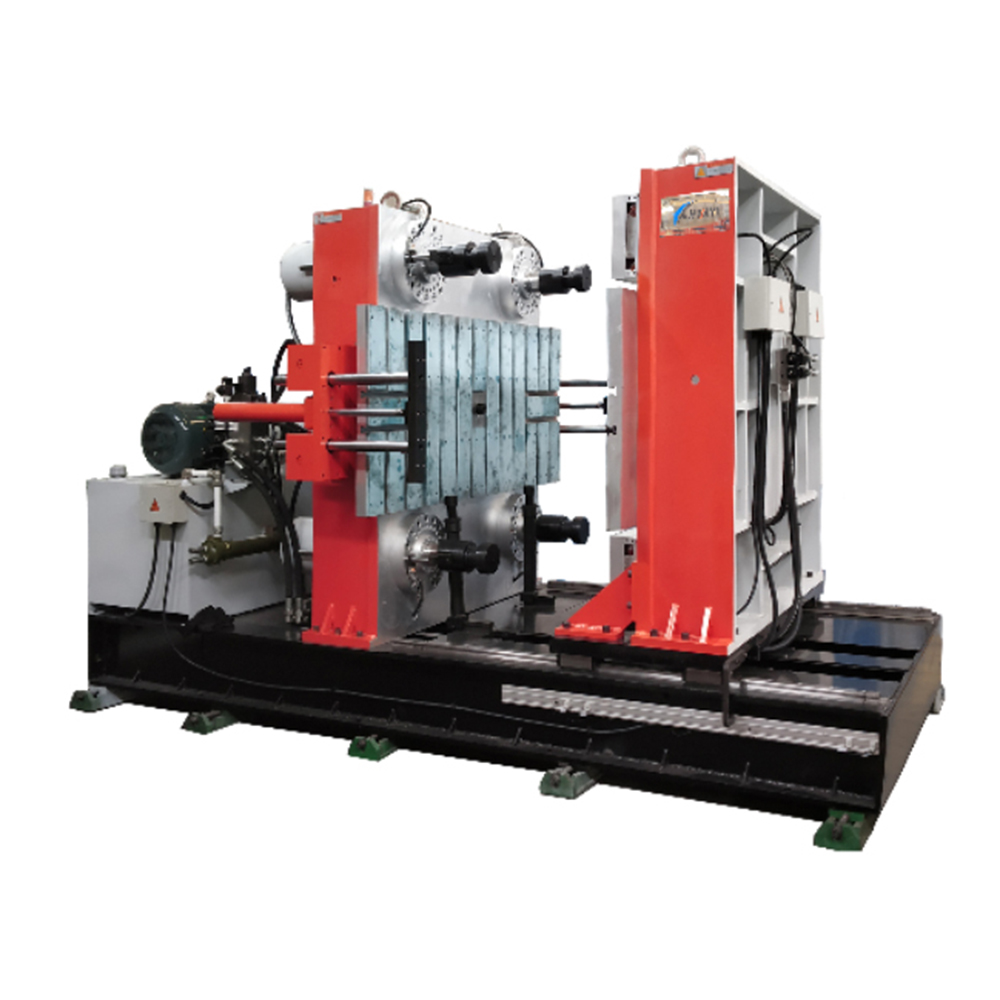
Mooney scorch steals margin: compounds begin cross-linking before the press cycle ends, scrap rises, and delivery windows slip. Manufacturers working with tight-tolerance parts for medtech or automotive assemblies face costly rejects when vulcanization runs ahead of schedule. The problem intensifies with high-viscosity LSR and dense compounds where rheology changes are swift. Modern shops often pair process control with robust hardware — for example, a well-tuned horizontal rubber injection molding machine can stabilize feed and reduce dwell variation right at the source.
How Cooling Jackets Stop Scorch in Its Tracks
Cooling jackets give you direct thermal control at the compound level. By circulating coolant around the barrel, manifolds, or cavities you flatten hot spots and keep the compound below its scorch threshold during wait and transfer phases. That control reduces premature cross-linking and helps the press hit intended cure windows instead of chasing them. Think of it as moving from firefighting to temperature management — you won’t eliminate all scrap, but you cut spikes sharply and predictably.
Design Choices That Actually Make a Difference
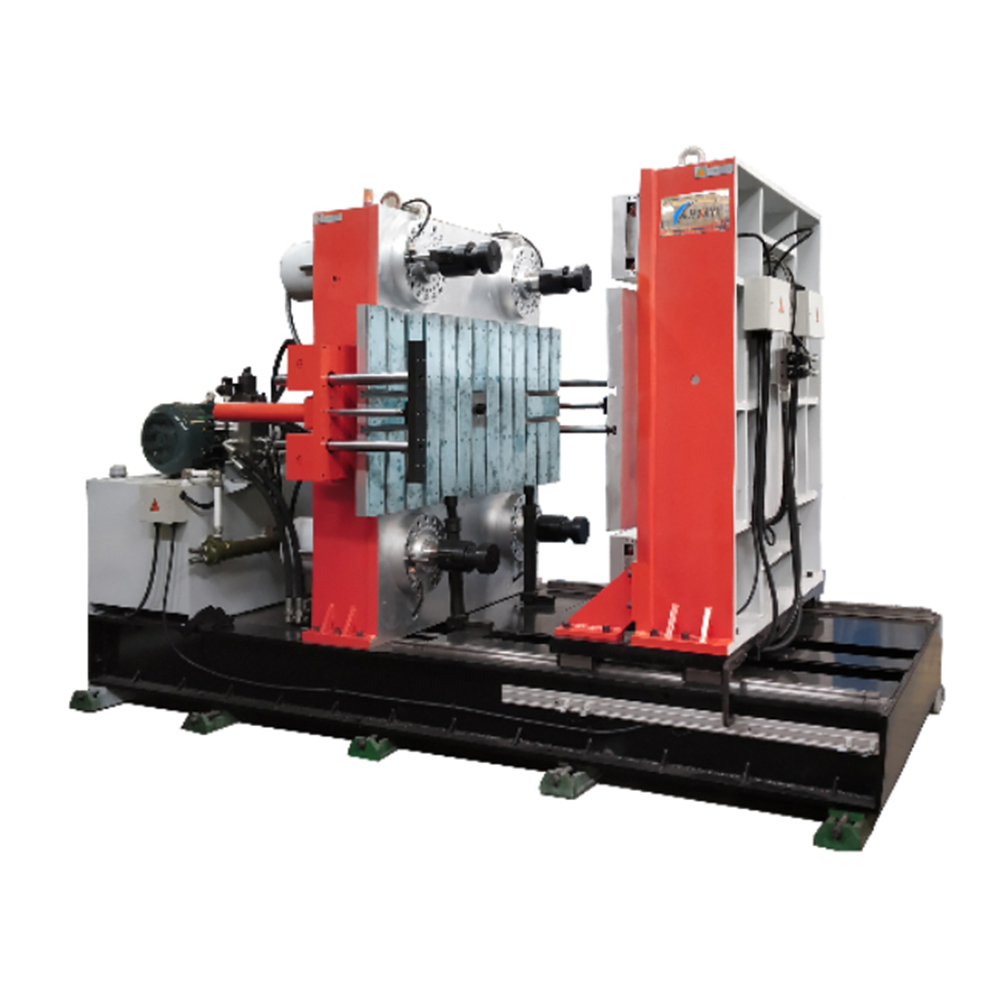
Material, placement, and flow rate decide whether a cooling jacket helps or hinders. Stainless or anodized housings resist corrosion and transfer heat consistently; segmented jackets let you tune zones near the nozzle or around gates; active flow control lets operators adapt during long runs. Don’t overcool the material — it slows cycle time and upsets vulcanization balance — but avoid thermal gradients near the sprue. Also match your cooling strategy to machine type and cycle: a horizontal moulding machine often benefits from longer, lower-temperature coolant flow because of its part orientation and clamp force distribution — small tweaks here save minutes per cycle and percentage points of yield.
Common Mistakes That Keep Teams Chasing Scorch
Teams often assume more cooling is always better. That leads to undercured parts, longer demold times, or surface defects. Another frequent error is treating coolant as a set-and-forget utility — changes in ambient temperature, batch variations, or tool wear demand active monitoring. Too many shops skip proper insulation on transfer lines and lose thermal efficiency. — Train technicians on thermal mapping and place thermocouples where they reflect part temperature, not just barrel readings.
Operational Tactics and Quick Wins
Start with low-friction feed and consistent preheat, then layer cooling. Use short burst pre-cooling in the hopper and controlled jacket flow during transfer. Standardize compound handling—measure Mooney viscosity on every shift and correlate it with cure times. Routine checks on pump cavitation, flow meters, and pump seals prevent sudden surges in coolant temperature. When you combine these steps with precise injection profiles on the clamp and optimized screw geometry, scorch becomes a measurable variable, not a mystery.
Real-World Anchor: Lessons from the 2020 Supply Shock
During the 2020 supply disruptions, plants that couldn’t afford scrap had to squeeze extra yield from existing lines. Facilities that invested in cooling-jacket retrofits and tightened rheology controls cut reject rates quickly and kept assembly lines running on schedule. That period proved the value of thermal discipline under stress — a practical lesson more compelling than theory alone.
Measuring Success — Three Golden Rules for Evaluation
1) Yield Stability: Track rejects per 10,000 parts before and after jacket tuning. Aim for tangible percentage reductions, not vague improvements. 2) Cycle Integrity: Monitor cure variance across shifts using time-to-demold and Mooney units as your baseline—consistent cycles mean predictable part performance. 3) Energy and Throughput: Compare coolant energy consumption and net cycle time; an effective cooling jacket lowers scrap without increasing cycle time significantly. Those three metrics give a clear purchasing signal and a roadmap for continuous improvement.
Final Takeaway
Cooling jackets transform Mooney scorch from an unpredictable defect into a controllable parameter. When paired with proper compound handling, calibrated injection profiles, and a machine that supports steady thermal management, you get repeatable parts and fewer surprises. For shops aiming to tighten yields and save time, the right partnership matters — and practical hardware plus field-tested guidance wins. HWAYI. —