
Why batches go sideways — a hands-on problem-driven view
I remember a cramped lab in Cape Town, March 2019, standing over a 50 L single-use bioreactor and watching viability tumble overnight; that sight genuinely frustrated me. Early on I learned that issues rarely stem from a single cause — and when I tell you that chinese hamster ovary media formulations and handling routines are the usual suspects, I mean it; cho media often masks deeper supply and process faults.
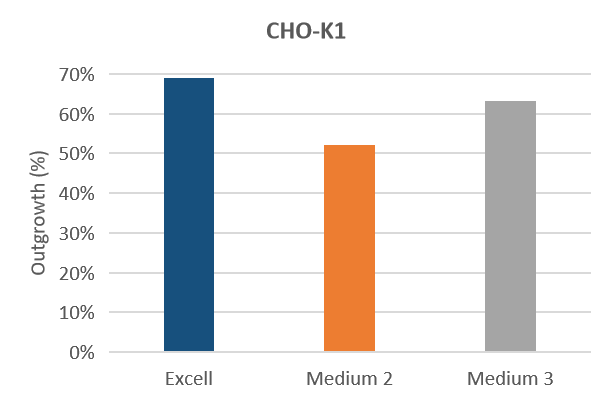
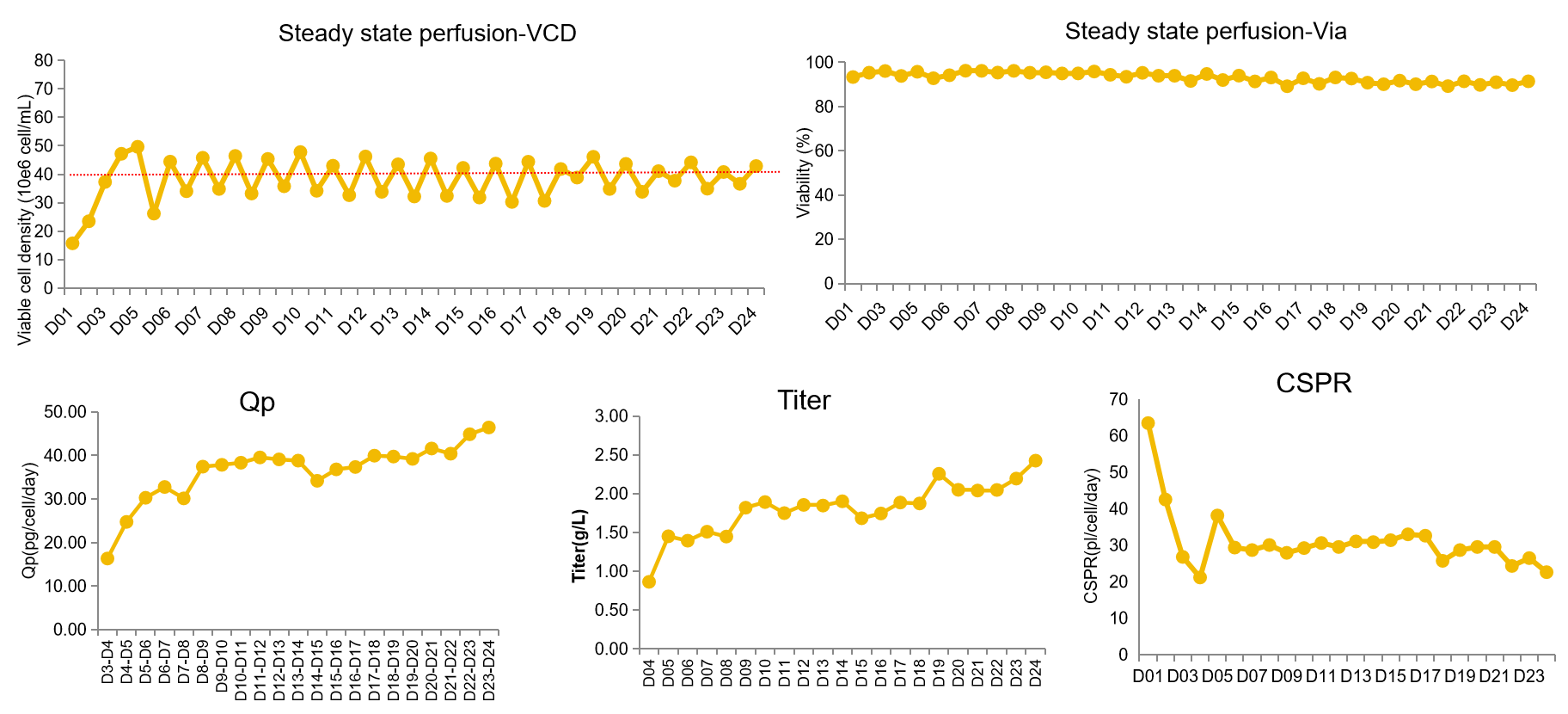
Over 18 years in bioprocessing and media supply I’ve seen the same recurring flaws: careless thaw cycles, mismatched feed strategy, and unmonitored osmolality shifts. In one run at a Johannesburg contract facility we switched from a generic serum-free basal medium to a defined formulation and observed titre rise by 35% within two weeks—but only after correcting glutamine spikes and cutting antifoam C overdosing. Those specifics matter: simple changes to feed schedule or trace element balance can change cell viability from 78% to 95% in 48 hours. (Yes — and that bit surprised the QC team.) That said, many labs still patch problems with quick fixes instead of fixing root causes, and the result is wasted time and budget.
Why does this keep failing?
Common hidden pain points: cold chain breaches during transport, lot-to-lot variability, and procurement pressure to accept cheaper, off-spec media. I firmly believe that ignoring supplier certificates of analysis or skipping small-scale qualification runs is a mistake. Those shortcuts cost days of recovery later—and cost is measurable: a single failed 50 L run can erase the margin on three months of production.
Technical forward look: how to choose and validate media systems
Let’s get technical for a moment. A robust evaluation combines analytical checks and small-scale process matching: osmolality profiling, amino-acid stability (glutamine / glutamate), and shear sensitivity tests in a benchtop bioreactor. When I advise procurement teams I ask for specific test data — not just claims: lot-specific growth curves, metabolite accumulation charts, and sterility filtration recovery rates. These are the hard metrics that predict scale behaviour.
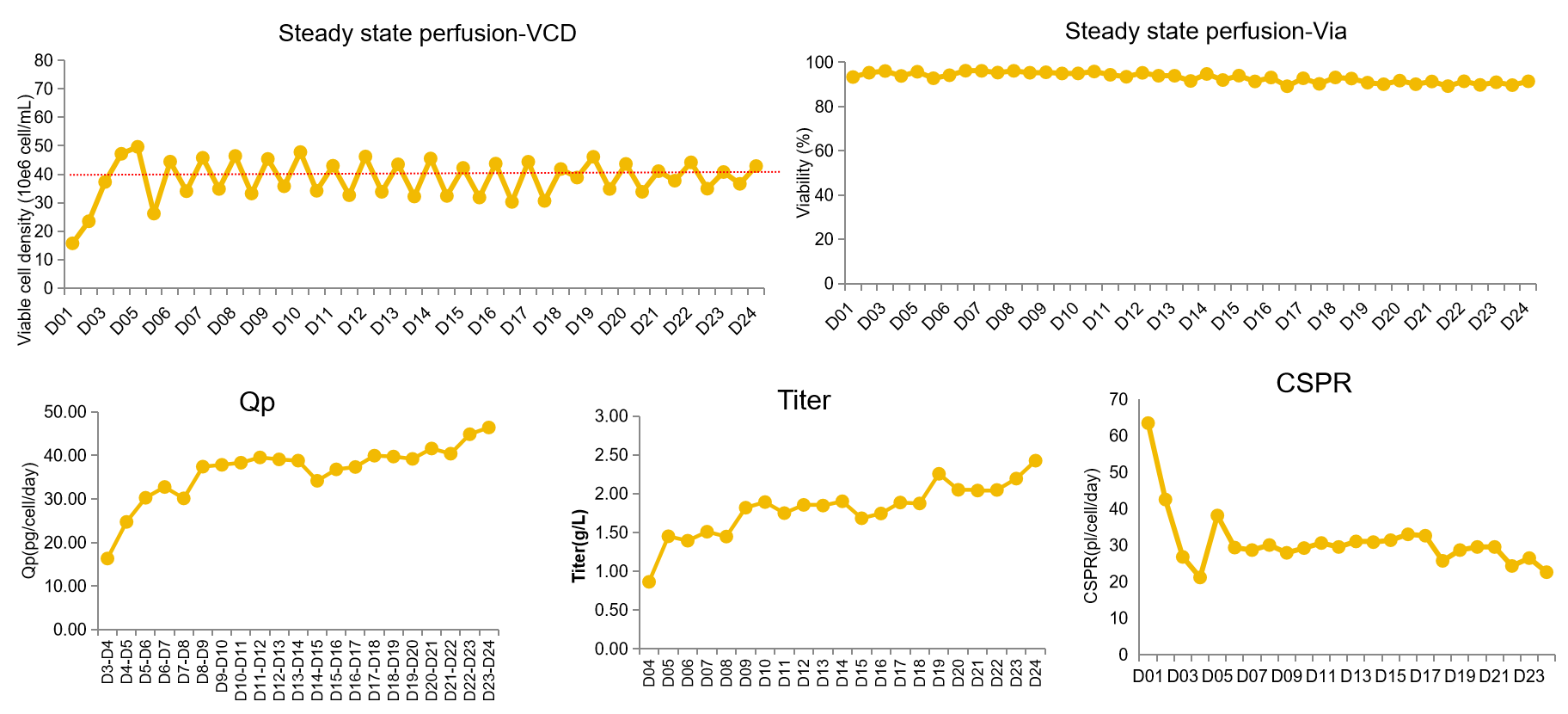
Practically, implement a two-stage qualification. Stage one: analytical QC within 48 hours of receipt (pH, conductivity, osmolality, endotoxin). Stage two: a 7-day shake-flask pilot measuring viable cell density and specific productivity under your intended feed strategy. In a 2021 pilot at a Durban site, applying this workflow reduced downstream fouling and raised product purity by 18% — measurable and repeatable. Also, consider supplier transparency: ask for raw-material sourcing details and stability studies; if they hedge, that’s a red flag — truly telling.
What’s Next?
Moving forward, align procurement, R&D and manufacturing on acceptance criteria. Treat chinese hamster ovary media as a critical raw material with defined release tests. Small investments—automated thaw stations, temperature loggers, and scheduled lot-bridging studies—pay back quickly in fewer batch failures and steadier titres. I prefer a living dossier approach: update qualification records after every major lot change or process tweak.
To close, here are three concrete evaluation metrics I use when choosing media and suppliers: 1) Stability window (days at 2–8°C and post-thaw viable cell recovery), 2) Process match score (shake-flask vs. scale-up titre variance), and 3) Certificate depth (lot-specific analytics including osmolality, endotoxin, and trace metals). Use them. They save time, money, and sleepless nights. — and yes, that approach has kept my teams shipping reliably.
For pragmatic sourcing and technical support, I recommend speaking with specialists who know both the bench and the factory floor; for example, suppliers like ExCellBio can provide lot-level data and application guidance that matches real-world runs.