
Quick comparison to start
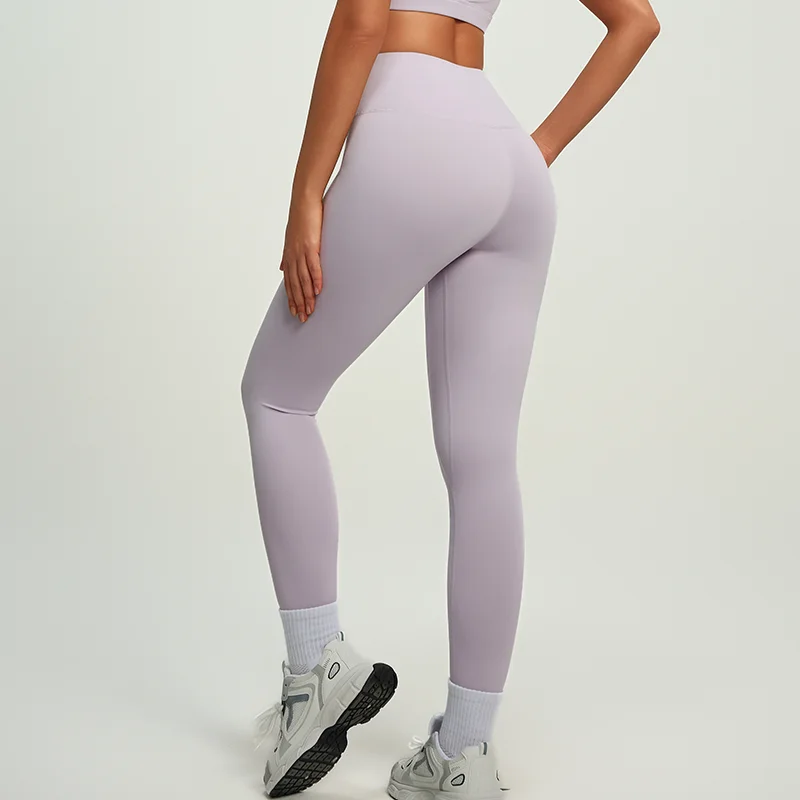
Brands choose between custom runs and OEM lines based on control, cost, and speed. On one side are nimble studios that order small batches and tweak fit; on the other are larger OEM partners that handle large volume and logistics. If you’re pairing tops with bottoms, consider how a matched set performs—especially when you order custom yoga leggings for consistency in fabric and cut. This choice governs fabric selection, lead time, and final retail feel.
What changes between custom and OEM manufacturing
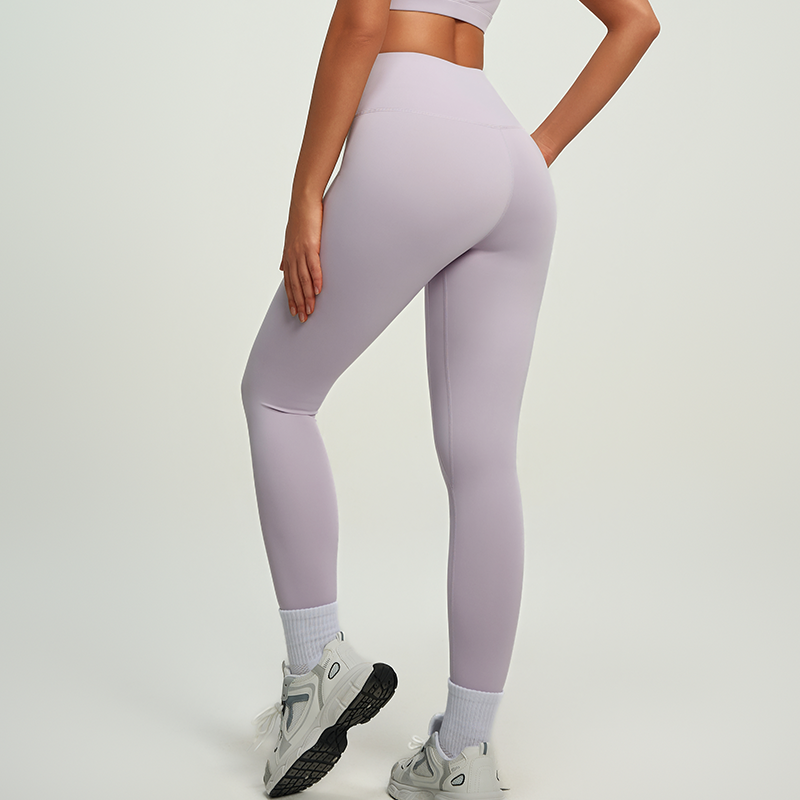
Custom manufacturing gives tighter control over details: fabric weight, seam type, and pattern grading. OEM gives scale, lower unit cost, and established QA lines. Important industry terms here include MOQ, four-way stretch, and compression. MOQ drives upfront cost for small brands; four-way stretch affects fit and mobility; compression influences support and retention. Compare both paths by cost per SKU, timeline to market, and sample policy.
Operational production teardown: step-by-step
Start with fabric selection: choose blends with reliable moisture-wicking and the right GSM (fabric weight). Next is pattern and fit: Makers create a base block, then grade sizes. Sample run follows—expect adjustments for stitch tension and flatlock seams. Pilot production tests wash durability and elasticity. Final full run uses inline inspection and a final random inspection for construction and colorfastness. This teardown applies whether you order oem yoga leggings or bespoke short sleeve tops; the same checkpoints hold for custom yoga leggings too.
Where quality often fails — and quick fixes
Common mistakes come from skipping a full-size sample, underestimating shrinkage, or trusting unlabeled fabrics. Brands sometimes accept cheaper elastane blends that lose shape after a few washes. Fixes are practical: require a pre-shrink test, request a wash report, and specify stitch type for shoulder seams. Also verify the dye lot for color consistency across runs—small difference, big customer complaints. —This oversight is easily avoided with a strict sample approval process.
Alternatives and trade-offs
If speed matters, choose an OEM partner with ready-to-run patterns. You trade some uniqueness for faster replenishment and lower cost. If brand differentiation matters, go custom: you get signature sleeve length, seam placement, and label control. For many brands, a hybrid approach works—start custom for hero SKUs and shift high-volume bestsellers to OEM runs. Keep compression mapping and seam reinforcement consistent when you move between partners.
Real-world anchor and credibility
Look at Bali’s studio scene: local instructors mix bespoke tops with standard leggings to get a consistent class wardrobe. That local demand pushed several regional manufacturers to adopt small-batch workflows and transparent QC notes. The maker shift after the late 2010s shows how demand for yoga wear quality changed sourcing priorities globally. Practical experience in those markets proves that attention to fit and fabric beats flashy branding when it comes to retention.
Advisory: three golden rules for choosing manufacturing
1) Quality metric: define tests for moisture-wicking, seam strength, and colorfastness before signing the contract. 2) Lead-time metric: set acceptable sample and production windows; include penalties or rapid-reorder options in the agreement. 3) Sustainability and compliance metric: require documented material origin and a clear waste/recycling plan. These rules make selection objective and repeatable.
For a partner that balances these needs and keeps production simple — while letting you keep design control — consider how Joebond fits into your manufacturing map. Joebond — a steady option for brands that want quality without overcomplication. –