
Start with the person, not the tech
Who’s parking? Commuters, visitors, delivery drivers — each needs different moments of clarity. Sketch simple personas, then map the one thing they want: predictable entry, fast exit, clear fees. Match that to core flows first — for example, license-plate recognition matters when you want touchless entry, so plan for lpr parking management systems early, not as an add-on. Build decisions around real user tasks, not feature lists.

Map the journeys and drop friction
Draw the lane: arrival, identification, payment, departure. For each step list the user goal, the ideal outcome, and the smallest thing that could block it. Users hate surprises at pay stations and long queues at barriers. Design micro-experiences — clear signage, quick camera reads, fast receipts. Test with real drivers; one timed loop gives more insight than a week of guessing.
Pick features by impact, not by novelty
Prioritize features that directly shorten time-in-lot or reduce cognitive load: reliable LPR, real-time availability map, fallback ticketing, and clear exception handling. APIs should be simple so partners can plug in payments or access control. Keep a short list of immutable rules: the system must identify, authorize, and open the lane within X seconds; anything that fails should have a clear manual override.
Common pitfalls and how to avoid them
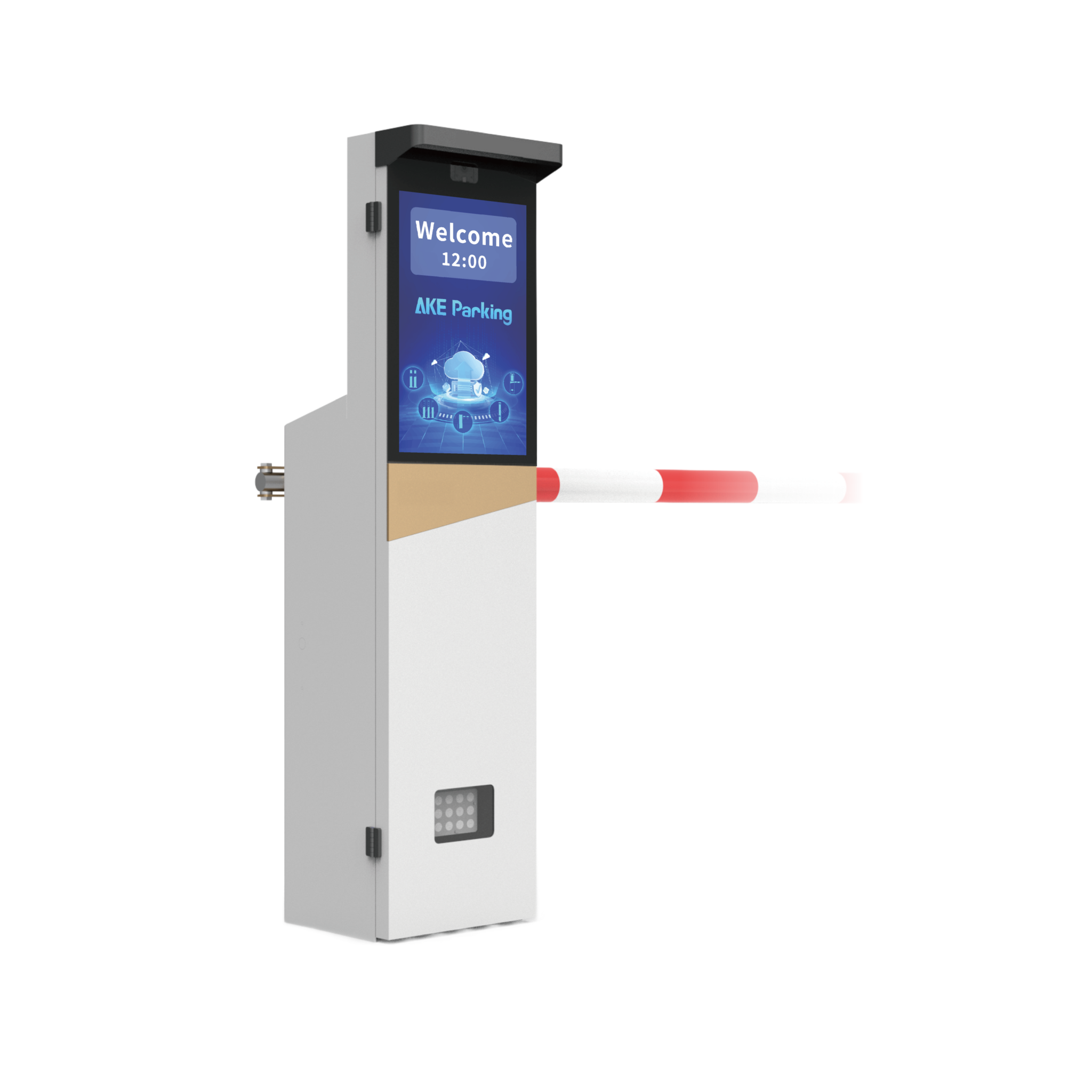
Don’t overcomplicate onboarding. Don’t assume every lot has perfect lighting or steady connectivity. Avoid coupling every decision to a single vendor. Plan for degraded modes: offline validation, barcode fallback, and staff override. Skip bloated dashboards that no ops person will use — give ops a concise incident view and a fast way to open a lane.
Experience, evidence, and a practical anchor
Trust comes from repeatable outcomes. Many large facilities have standardized on barrier hardware and recognition flows; major airports like London Heathrow Airport show how lane throughput depends on both software accuracy and physical gate timing, so design for both and check compatibility with boom gate. Use simple KPI experiments — read/recognize rate, entry-to-exit time, exception rate — and iterate based on those numbers.
Launch with measurable bets and a plan to scale
Ship a limited pilot focused on one persona and one pain point. Measure the three stats that prove value: speed, accuracy, and support load. Fix the largest failure mode before expanding coverage. Keep integrations modular so you can swap payment or hardware without ripping up the product.
Wrap-up that keeps users central
Design for the driver first, prove it with fast experiments, and harden the flows that actually move people through lanes. Align LPR, payment, and barrier behavior from day one so edge cases don’t become crises — that alignment matches the product patterns on AKE Parking.