
Introduction
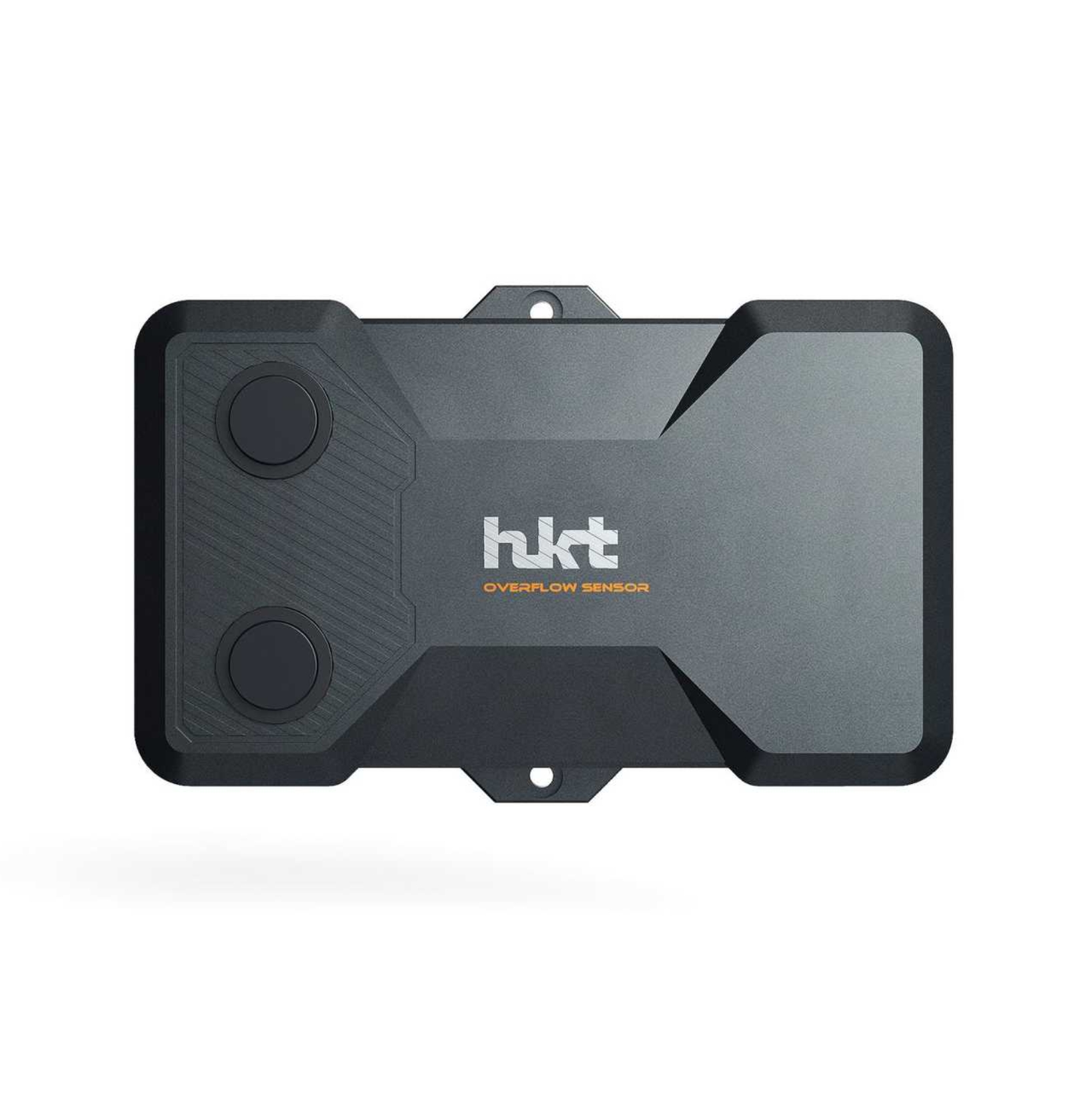
Imagine walking down a city street filled with litter and overflowing trash bins. Did you know that around 33% of urban waste is improperly managed? This is where smart bin sensors come into play, an innovative advancement signalling a shift in waste management solutions. With a waste container fill level sensor deployed in strategic locations, municipalities can monitor waste levels in real time. In doing so, they address a longstanding issue: how to efficiently manage public litter disposal while minimising unnecessary collection trips. Leading into the complexities of urban waste management leads us to explore its hidden challenges.

Lurking Flaws in Traditional Waste Management Solutions
Let’s get technical for a moment. Traditional waste management relies heavily on scheduled pickups, often resulting in half-empty bins. This inefficiency translates to excessive transport costs and increased carbon emissions. Look, it’s simpler than you think; by integrating sensors, collection routes can be optimised based on actual need. Compare that with the outdated reliance on fixed schedules—inefficiencies abound, with resources allocated according to guesswork rather than real data.
What About User Pain Points?
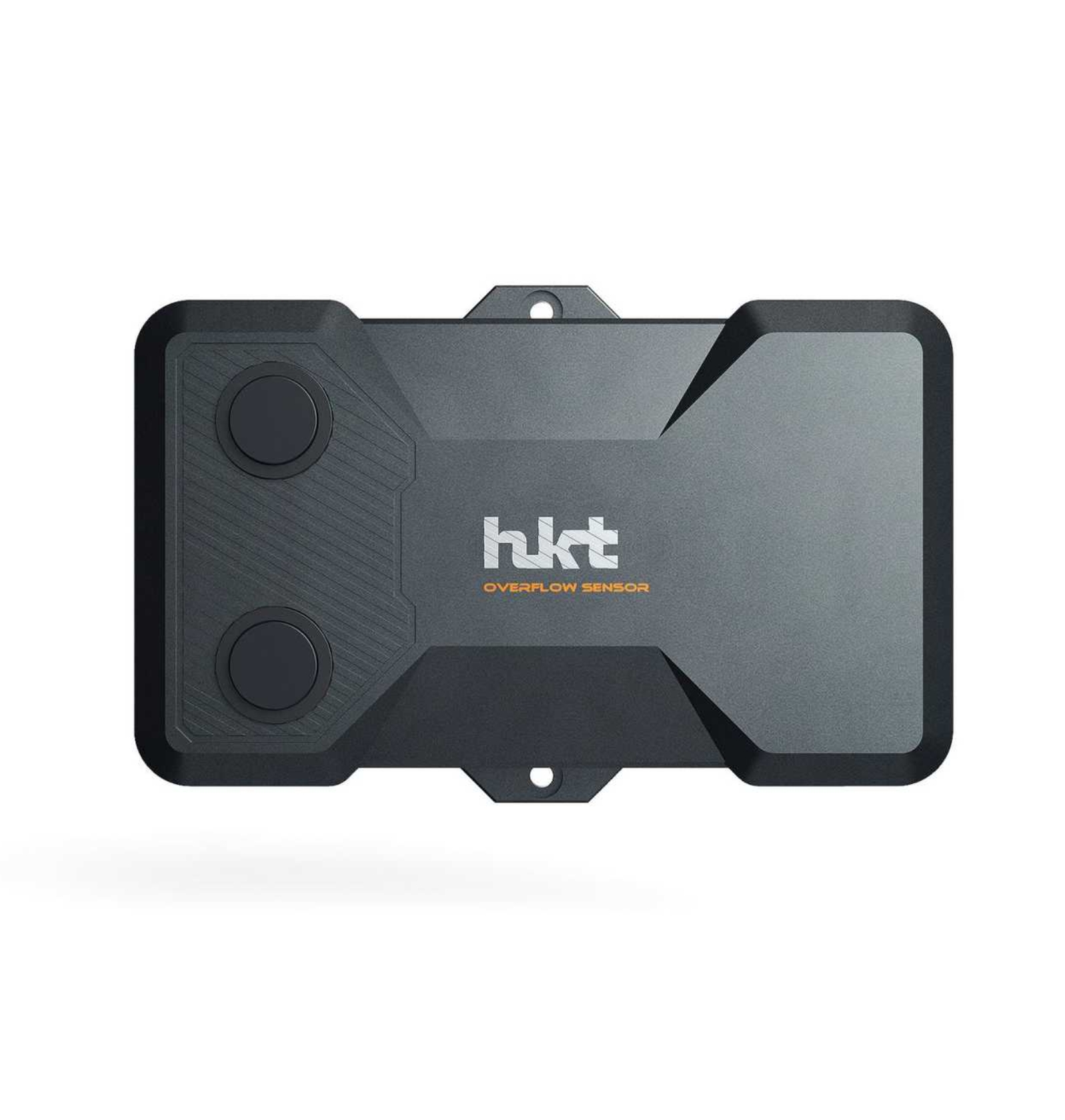
Waste management operators can find it frustrating to rely on feedback from citizens, who may not report issues accurately. Moreover, citizens often face an inconvenience due to overflowing bins. This creates a negative urban experience that could be solved with a shift towards smarter solutions. By deploying smart sensors, cities can enhance service quality, ultimately leading to a cleaner, more pleasant environment.
Embracing New Technologies for Smarter Solutions
So, what’s next in the realm of smart waste management? The fusion of data-driven strategies with hardware, like the ultrasonic distance sensor, promises robust changes. By embracing new technology principles—think real-time monitoring and predictive analytics—cities can make informed operational choices that don’t just hope for efficiency but guarantee it.
Transforming the Public Litter Management Landscape
As cities gear up for the future, the case for smart technologies becomes even clearer. Intelligent sensors will allow for dynamic management of waste levels and collection schedules. It’s refreshing to see how a simple adjustment in technology can lead to radical improvements. These advancements aren’t just about keeping bins empty—they’re about creating a sustainable urban ecosystem, reducing transportation emissions, and making cities cleaner.
Conclusion: Measuring Success in Waste Management
As we distill these fascinating insights into actionable strategies, it’s vital for urban planners to reflect on three key metrics: real-time data accuracy, reduction in collection costs, and user satisfaction rates. These benchmarks can serve as a compass navigating the complexities of integrating smart waste management solutions. Just remember, the conversation around smart bin sensors is just beginning. As we continue to innovate and adapt, the future looks promising. With effective deployment, even the most cluttered cities can enjoy cleaner streets and happier citizens. It’s exciting to think about how technology, like that from HKT LORA, is shaping our environments for the better—who wouldn’t want that?