
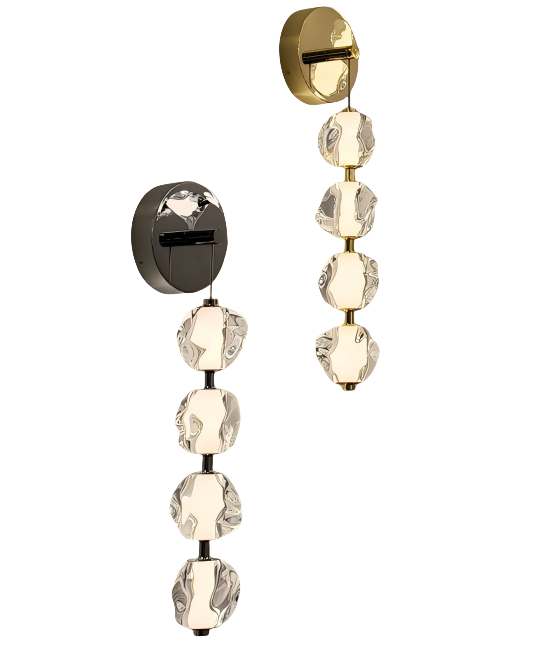
When Night Falls, Do Your Walls Sing or Stumble?
You slip into a quiet room, and the light should exhale with you. Wall lamp manufacturers promise that serene chorus. Yet a third of homeowners I’ve met say the glow feels off—too harsh, too flat, too fussy—once the house goes silent. In one retail study, over 40% of lighting returns were tied to glare and color mismatch rather than defects. So why do two “gold” wall lamps feel like different instruments in the same band (same finish, different music)? Is it the metal, the optics, the driver, the craft—maybe all of it. The scene is simple: a bedroom, a warm finish, a soft click. The data is not: quality shifts with plating layers, thermal spread, and dimmer pairing. The question is stark: are you comparing the right things, or just the catalog photos?
Let’s sort the signal from the noise—and test the shine under real night.
Where Traditional Choices Go Dim
Why does a premium finish still flicker?
People search for gold wall lamps for bedroom thinking “style first, tech later.” That’s the old playbook. It ignores how metal finish, optic shape, and the LED driver tune the mood. Traditional buying leans on showroom light, not bedroom light. In showrooms, high ceilings dilute glare and hide shadows. At home, a narrow beam can punch the eye. A low CRI makes fabrics look dull. A mismatched dimmer causes steps instead of smooth fades. Look, it’s simpler than you think: test for glare control, color accuracy, and dimmer fit before falling for a pretty plate.
Here’s the deeper layer. Many catalog specs skip the small truths: CRI beyond the headline, the driver’s low-end dim stability, and the heat sink that keeps color from drifting warm-to-yellow over months. If PWM dimming chases the wrong frequency, you’ll see shimmer on glossy frames—funny how that works, right? And when a finish’s lacquer is too thin, fingerprints ghost the brass after a week. Old habits say “pick a style, add a bulb.” A better cut compares four basics: beam angle for comfort, driver behavior at 1–10% output, thermal paths that protect LEDs, and the mounting base that seals against drywall dust. That’s where comfort hides, not just in the gold.
The Next Bar: Smart, Quiet, and Consistent
What’s Next
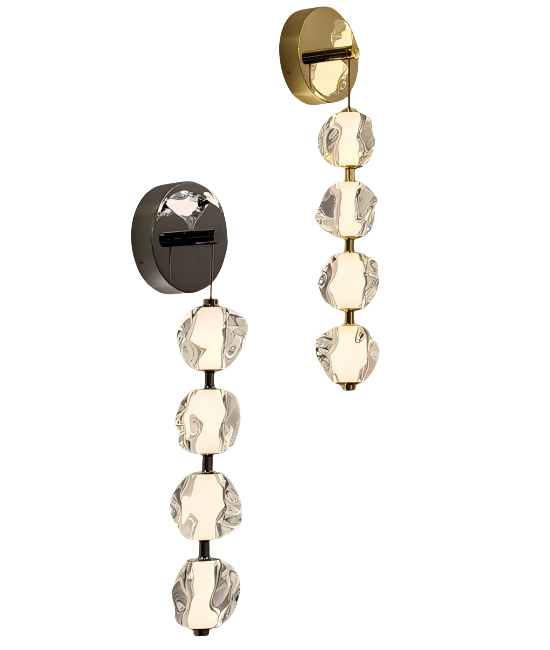
Forward-looking makers are changing the score. They marry better optics with quiet electronics and simple control. A modern smart led wall lamp can map dim curves to your room’s rhythms—sunset low, midnight lower. New driver ICs smooth the bottom of the fade, so the last 5% is soft, not choppy. BLE mesh links fixtures without heavy hubs; even edge computing nodes in gateways can learn your habits. The science is plain: stable thermal management protects lumen maintenance, and good lenses spread light like brushed velvet. Semi-formal note here—this is not about gadget fever, it’s about consistency over time.
Consider a small hotel wing that replaced legacy sconces with smart drivers and tuned optics. Complaints about glare dropped by half. Housekeeping saw fewer smudges due to better lacquer layering on the metal. Energy use fell through smoother dim ramps. And yet the room felt more human—less stage, more hush—because the beam profile matched the headboard’s width. That’s comparison in action: finish quality versus lacquer depth; style versus long-term color stability; control protocol versus real dim feel. To choose well, weigh three metrics that you can test today: 1) low-end dim performance without steps or shimmer, 2) verified CRI and color consistency after warm-up, 3) thermal design that keeps the fixture cool to the touch and the color true. Keep the poetry of light, but verify the craft. For a steady reference point without fanfare, see kinglong.