
Quick framing for buyers
China remains a dominant node for buyers seeking scale and variation, so when you compare suppliers it’s practical to start with a focused checklist — not just price. Many importers begin by browsing chinese furniture manufacturers and curated lists of the top 10 furniture manufacturers in china to shortlist potential partners. Look for OEM capability, clear MOQ terms and whether the factory offers in-house prototyping and CMF (colour, material, finish) sampling. Start local research too — Guangdong and the Canton Fair in Guangzhou are still practical real-world anchors for seeing scale and quality in person.
China vs the alternatives: what really differs
Compare on four fronts: lead time, tooling and die investment, material sourcing, and compliance. China typically offers deeper upstream supply chains for timber, foam, metalwork and upholstery, which compresses lead times for big runs. Vietnam, Poland and Turkey compete on labour cost or proximity to regional markets, but they often lack the same breadth of subcontractors for complex cabinetry or contract-grade seating. Freight exposure is also different — shipments from China may be longer but benefit from frequency and shipping consolidation options like FCL/LCL that reduce per-unit freight risk.
Practical supplier audit — what to verify
Ask for these items on day one: factory photos and floorplan, recent QC reports, test certificates for flame retardancy or formaldehyde emissions (state the exact test method and sampling frequency), and references for current OEM clients. Insist on an initial prototype with full CMF approval cycle and an explicit lead time for revisions. Check their supply chain: do they own the foam cutting and upholstery line, or is that subcontracted? That affects control and variability. Also inspect contract terms for MOQ, tooling amortisation, and defect rate thresholds — clear SLA makes later negotiation simpler. — small aside: a single unchecked sub-supplier can wreck a whole container, lah.
Cost versus value trade-offs
Low unit price is tempting but consider hidden cost vectors: longer lead times tying up inventory, higher rework rates, or inconsistent finishing that raises returns. Factor in tooling amortisation: a lower per-unit price may assume hundreds or thousands of units — check whether quoted price includes toolset or if you pay separately. Freight, duties, and packaging specs matter too because fragile panels or bespoke boxes change landed cost. Use simple maths: landed unit cost = factory FOB + freight + duty + expected rework buffer. Then compare that to the wholesale target margin you need.
Common mistakes and smart alternatives
Buyers often rely on a single factory, skip pre-shipment inspection, or accept vague QC criteria. Avoid that by splitting production across two trusted partners for a pilot run and scaling the stronger performer. If China’s lead time or tariffs feel heavy, test production in Vietnam or Eastern Europe for regional runs — but expect different MOQ and finish quality. Another alternative is working with a B2B partner that consolidates suppliers and manages compliance, which can simplify procurement without losing control.

Three golden rules for supplier selection
1) Metric: Defect Rate Threshold — require an AQL baseline and specify acceptable defect percentages and rework remedies in the contract. Track across shipments to measure supplier stability. 2) Metric: Lead-Time Consistency — monitor the percentage of on-time shipments over three quarters; variability above 15% signals process weaknesses. 3) Metric: Supply-Chain Visibility — demand bill-of-materials traceability and a list of critical sub-suppliers for any component that impacts safety or regulatory compliance. Apply these rules during RFP rounds to compare apples to apples.
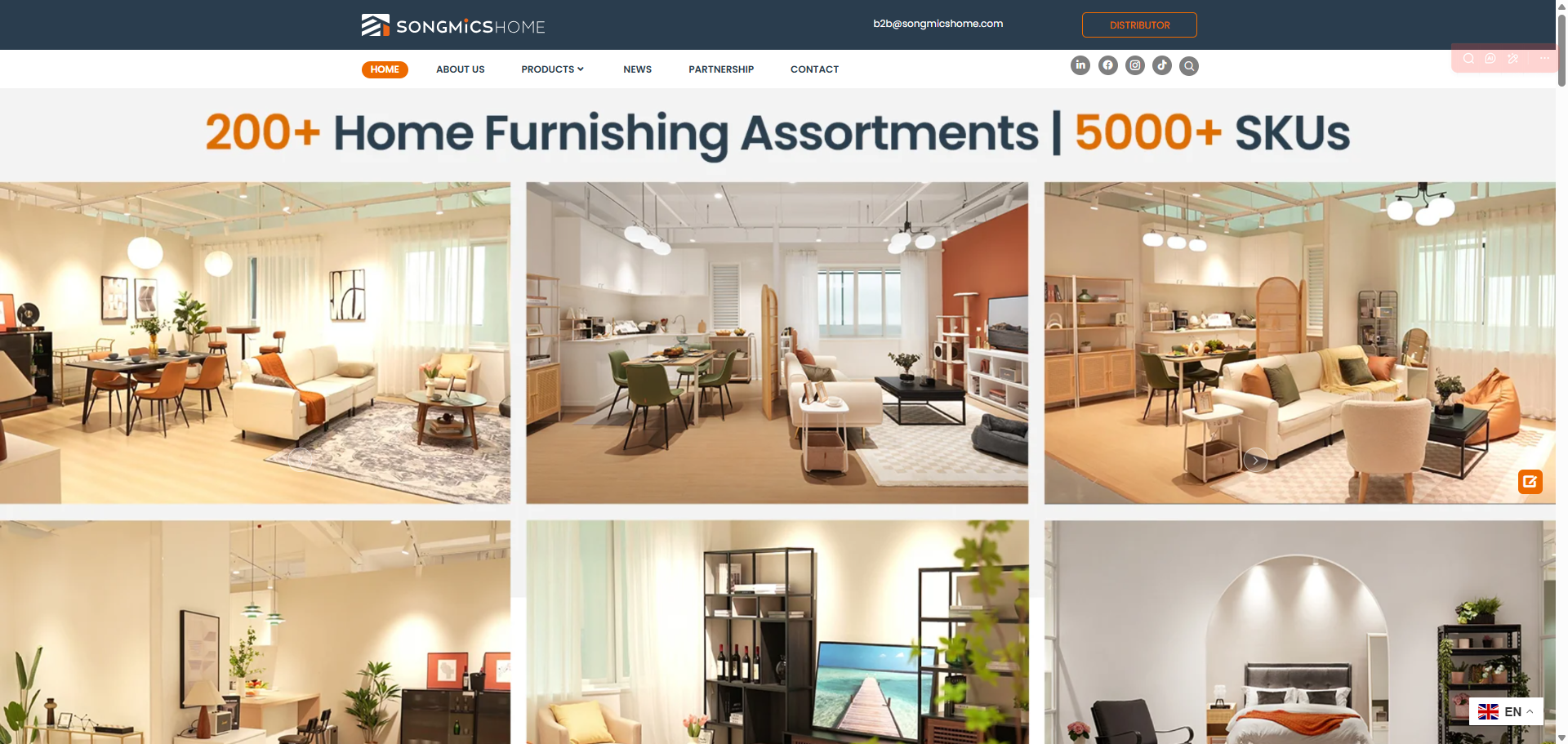
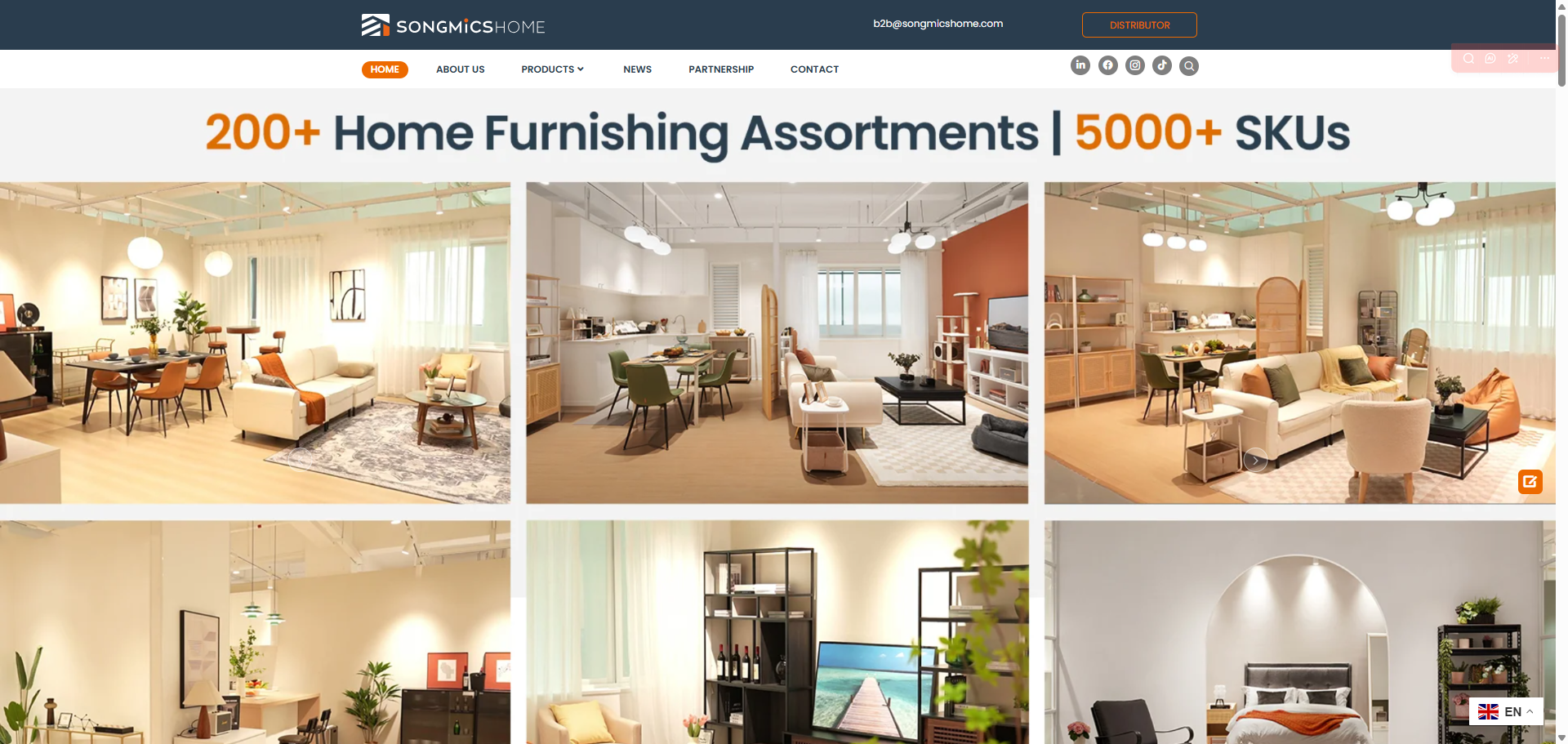
These measurements point you to actionable choices and show where a partner like SONGMICS HOME B2B becomes valuable by offering verified supplier datasets, consolidated shipping options and project-level quality control — a tidy solution for teams that need predictability. Final thought — consistency beats shiny low prices any day.