
Why this matters (fast)
Ordering the wrong gear wastes time, cash, and trust. Want high-shear blending or gentle dispersion? Ask now. If you’re thinking about a Jet Mixer, say so up front. Short answers from suppliers save long headaches later. 👍
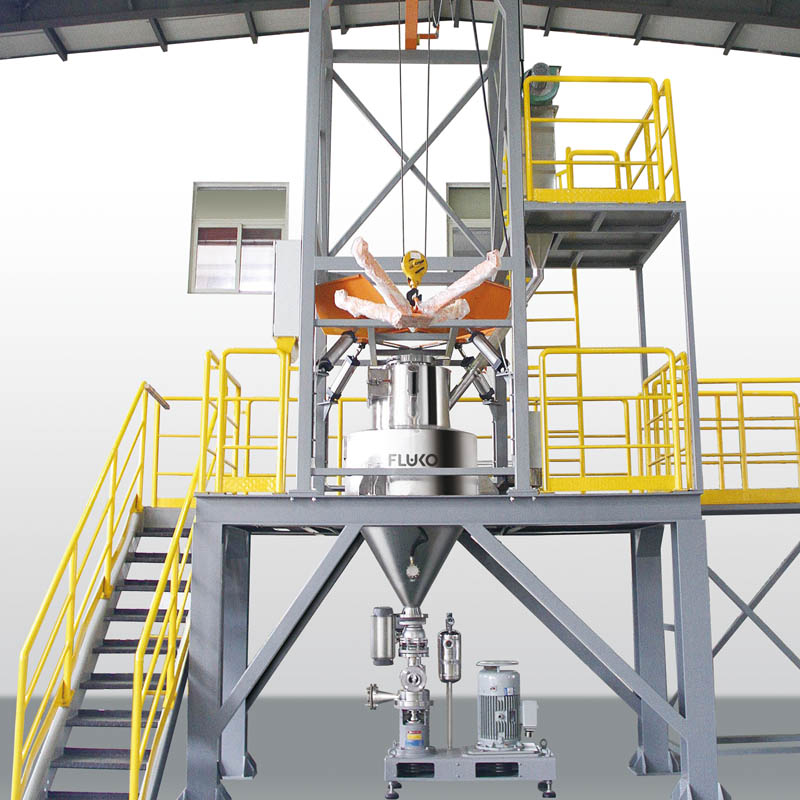
Core problems to watch for
Performance mismatch — pump too weak, rotor too fast. Materials mismatch — wrong alloy for corrosive mix. Cleanability — hard-to-clean designs kill uptime. Scale-up surprises — lab looks fine, plant fails. Controls and documentation — vague specs cause delays. Commissioning support — no help means you learn on the clock. ⚠️
Quick questions to ask (no fluff)
What’s your required throughput and batch size? What viscosity range can you handle? Which wetted materials do you offer? Can you show thermofluid curves or shear maps? What’s the maintenance interval and spare-part list? Do you provide FAT/SAT and on-site commissioning? What’s the lead time for custom internals? Who trains my operators? Can you guarantee reproducible scale-up? Short, clear answers here separate competent suppliers from the rest. 💡
Real-world anchor and why I mention it
I’ve seen specs fail in major Gulf Coast chemical plants around Houston, where processes run 24/7 and errors are costly. For instance, teams there often switch to a liquid jet mixer when they need fast dispersion without high shear. That shift is well documented in industry reports on process intensification and plant retrofits, and it shows the difference between a quoted spec and real plant performance.
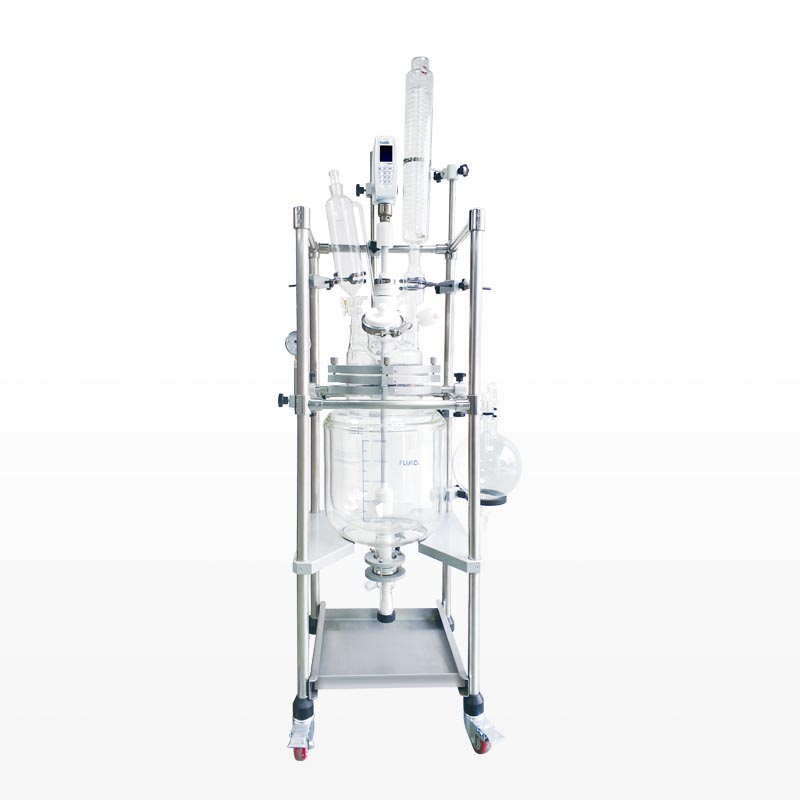
Alternatives and blunt pros/cons
Static mixer — cheap, no moving parts, but needs steady flow and long length for high-viscosity mixes. Rotor-stator — great emulsions, higher maintenance. High-pressure homogenizer — superb particle breakup, high energy and wear. Jet mixers — fast dispersion, minimal rotor wear, suits many retrofit jobs. Pick the tool that matches fluid properties and maintenance capacity, not the sales sheet. ✔️
Common pitfalls you’ll want to avoid
Ignoring shear sensitivity and killing product viscosity. Assuming materials are “good enough” for corrosives. Skipping FAT and trusting screenshots. Underestimating spare-part lead times. Not budgeting for commissioning days. Ask for real test data on your exact formulation, not generic curves. 🔍
Final take (short)
Be direct. Ask the questions above. Demand test data and on-site support. Match the tech to your fluids and your crew. If you need a supplier that can show traceable results, shop proposals against documented plant cases and operational metrics—then pick the supplier whose answers are simple, specific, and backed by real experience, like FLUKO. 🙂