
Pressure Points Now: Why the Old Playbook Breaks
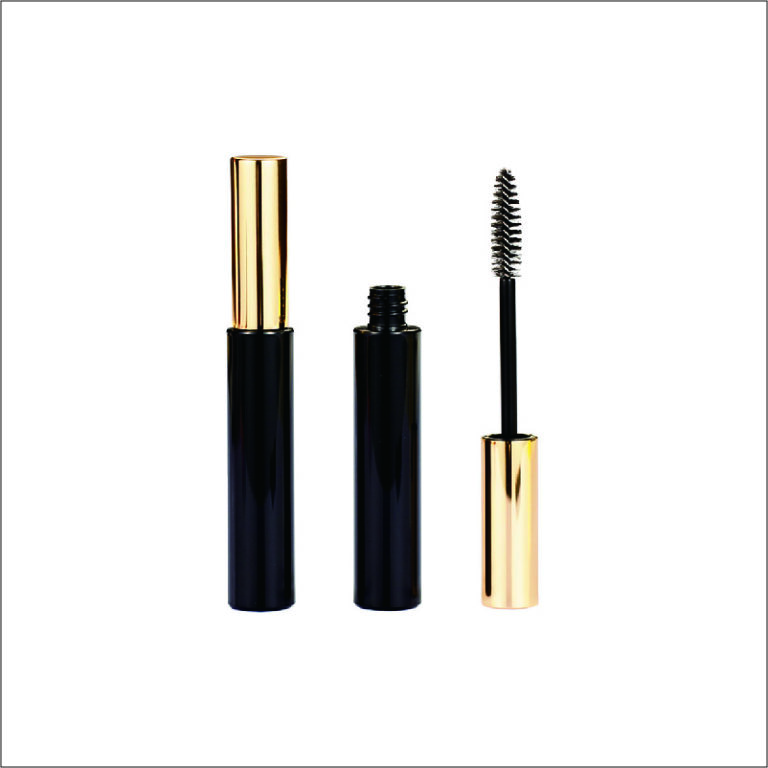
The old playbook for mascara packaging is cracking at the seams. In many teams, planners rush orders on Friday, then spend Monday chasing updates. The phrase empty mascara tube wholesale sounds easy, but real life says otherwise. MOQs hit 10,000–50,000 units. Lead times run 45–60 days. A single AQL fail can push a week, and freight swings add 12–18% overnight. So here’s the hard question: do you keep paying for buffer stock, or do you change how you buy?
Why do “simple” orders get complicated?
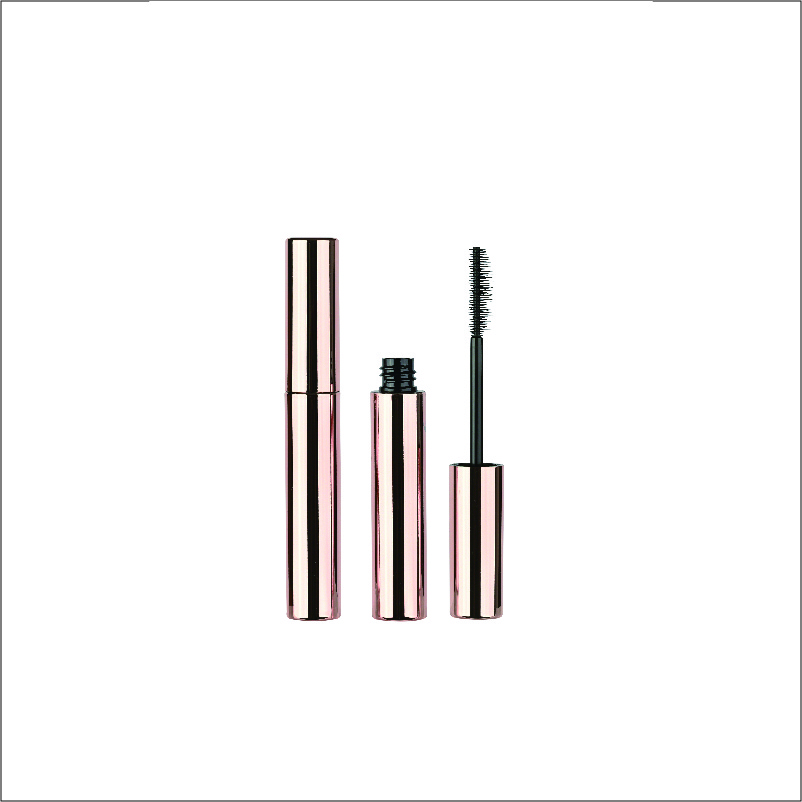
Hidden pain sits in the details. Wiper fit that feels fine in samples can swell after filling due to solvent load—funny how that works, right? Cap torque drifts during long runs when the liner changes. Ink adhesion on anodized caps looks rich at day one, then scuffs by week four. Injection molding flash changes your wiper seal. And when PETG vs. PP shifts with resin price, unit cost moves again. The traditional “price + lead time” filter misses all of that. Look, it’s simpler than you think: track the moments where variation lives. Validate stem diameter tolerances with real SPC, not just a COA. Ask for AQL records on the wiper and rod, not only the shell. Check that your supplier controls viscosity window at screen print, and that they can certify PCR resin content. This is where many teams in LATAM and beyond get tripped up (oye), because the checklist looks short, but the process has many gates. Ready to compare what comes next to what you have today?
Comparative Signals and What’s Next
What’s Next
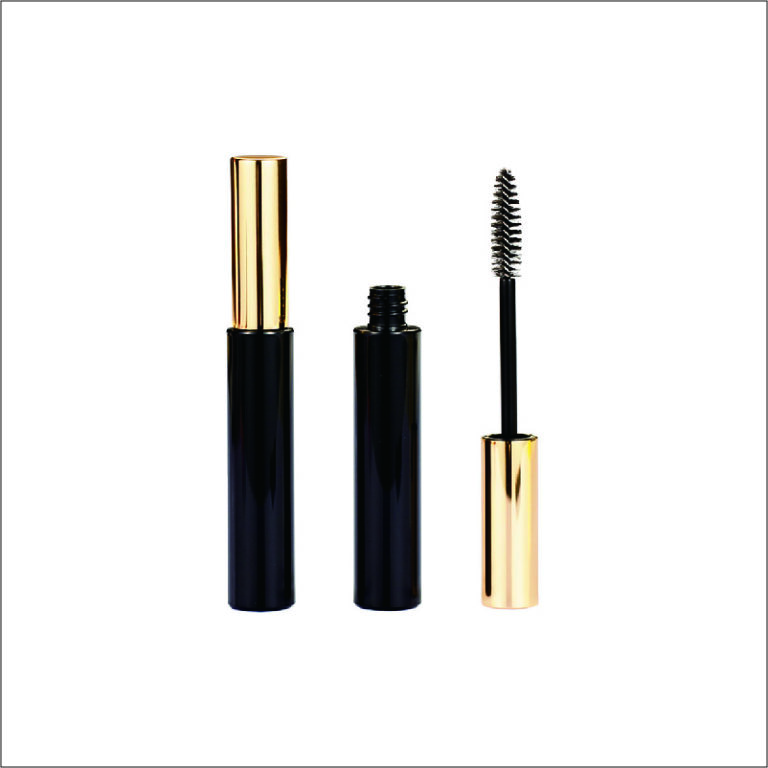
New methods are changing the baseline. A strong empty mascara tube supplier now uses modular tooling for fast swaps of stems, wipers, and caps. Quick-change cores cut setup time by hours. In-line vision systems watch tip concentricity and neck ovality in real time. Ultrasonic leak tests catch micro-gaps before packing. Digital color libraries hold ΔE targets, so anodized caps match across batches. Even better, flow simulation predicts sink or warpage before steel is cut, so your first shots hit closer to spec. Compare that to the old way—long debug cycles, manual inspection, and guesswork—and you see why fill lines run smoother. The gain is not just speed; it is stable cap torque, tighter wiper pull, and fewer rejects. And when suppliers track PCR blending with batch records, you keep your claims clean and audit-ready. Small moves. Big stability.
So how do you choose? Use three metrics that don’t lie. First, capability: ask for Cpk on neck finish and torque after 24-hour aging; combine with first-pass yield on assembled packs. Second, time stability: measure lead-time variance in days across three POs, not the best-case promise—funny how that works, right? Third, proof of control: demand traceable PCR content and documented AQL on the wiper-seat interface. If a partner can’t show this, keep looking. This synthesis ties back to your real pain: fewer surprises, cleaner launches, and calmer Mondays. Advisory close, amigo: compare processes, not brochures; compare variance, not only cost; and track defects at the wiper, not just the shell. For steady outcomes, choose the supplier that shows control where it matters most—and keeps data visible. Learn more with NAVI Packaging.