
Introduction: A Quiet Evening, a Stubborn Pain, and a Question
I was sitting with my cousin last month—he had been struggling with tingling and numbness after a long day of driving—and that quiet desperation is familiar to many of us. The best red light therapy bed often comes up in our chats because people want real relief without drugs, and they want it at home. Data shows that many users report improved comfort within weeks when devices deliver proper wavelengths and irradiance, yet confusion remains about what to buy and why. So how do we pick a bed that truly helps nerve inflammation, ji? (You know the type—simple, honest answers.) I will walk you through what matters, what to avoid, and how to judge a red light system so you can feel confident before spending money. Let us move on to the deeper parts next — the parts manufacturers seldom tell you.

Part 1 — Hidden User Pain Points: Why Many Buyers Are Left Unsatisfied
When I evaluate a model, I always look first at real user experience and not just the glossy specs. Many people who search for red light bed for sale find high wattage numbers and think higher is better. But here is the problem—users often face uneven treatment, poor thermal management, and confusing controls. These cause inconsistent sessions. I have seen buyers return units because the LED array was too sparse or the wavelengths were mismatched for nerve photobiomodulation. Look, it’s simpler than you think: consistent irradiance at the right wavelength matters more than a flashy display. In my view, two hidden pain points stand out: (1) actual delivered irradiance varies across the mattress, so some nerve zones get less therapy; and (2) heat buildup affects comfort and device life—power converters and poor thermal design make a bed noisy or hot to touch. These are not sexy topics, but they ruin the therapy. Users also tell me they are frustrated by vague session presets and by after-sales silence—no guidance, no calibration, no clear warranty process. That leads to wasted time, and worse, no real relief. If you buy without checking for even LED spacing, certified wavelength bands, and clear service support, you may end up with an expensive nightlight instead of a therapeutic tool. — funny how that works, right?
Why do these details matter to someone with nerve pain?
Because nerves need targeted doses. Too little light and you see no change. Too much heat and you create discomfort. Photobiomodulation relies on predictable wavelengths and steady irradiance to encourage cellular repair. I want you to ask sellers about uniformity maps, wavelength ranges (usually around 630–660 nm and 810–850 nm for nerve-related protocols), and the service response time before you commit.
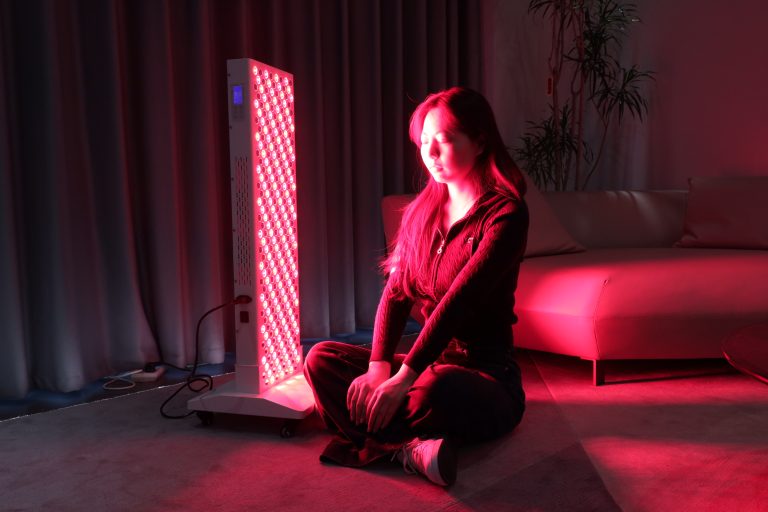
Part 2 — Future Outlook: Practical Steps and What to Expect Next
Looking ahead, I think customers will benefit most from beds that combine smart controls with proven hardware. Newer models add simple feedback systems that show delivered dose and session progress. If you are shopping, check the market for beds that provide reporting or integration with apps; these features help you track cumulative exposure and make adjustments over time. You may also find refurbished options or local clinics offering trials—both worth considering before buying. Again, many of you will search for a red light bed for sale and I urge testing for uniformity, firmware updates, and customer support responsiveness. I prefer semi-formal comparisons: list three practical things — wavelength accuracy, irradiance stability, and after-sales service. Compare models side by side on those metrics. Also consider modular designs where LEDs can be replaced. This reduces long-term cost and keeps the irradiance stable. The industry will likely move toward clearer labeling (dose per minute, coverage area) and better thermal management. I expect more devices to use certified components for power converters and to include better thermal sinks. These improvements mean you will get safer, more consistent sessions — measurable results, not promises. Short-term trials can show small gains; longer use reveals true benefit. In my practice, patience plus correct dosing pays off. I want you to be practical: ask for uniformity maps, check warranty terms, and demo if possible.
Real-world Advice: What I Would Do Today
I would shortlist two beds and test them for a week each. Measure comfort, check if sessions heat the skin, and note any changes in tingling or numbness. Speak to other users in forums, and insist on clear return policies. Also, remember simple things like proper posture during sessions—small details affect outcomes.
Closing — Three Metrics I Use When Recommending a Bed
To finish, here are three key evaluation metrics I always share with clients: (1) Wavelength accuracy: does the device list certified nm bands relevant to nerve photobiomodulation? (2) Irradiance uniformity: are you getting consistent mW/cm² across the treatment area? and (3) Support & service: are firmware updates, warranty terms, and spare parts available? These three metrics give you a practical way to compare beds without getting lost in marketing jargon. I say this from experience—buyers who check these things save money and, more importantly, time and discomfort. If you stay methodical, you will find a reliable unit that fits your needs. For trustworthy options and technical specs, I often point people toward reputable suppliers who publish detailed uniformity and irradiance data. Finally, if you need a starting place, consider exploring models from Magique Power to compare their documentation and service. We are all aiming for real relief, and with these checks you can buy smarter and feel better sooner.