
A Morning Meeting, A Missed Moment
I’ve seen it a hundred times: folks sit down, coffee steaming, project on the line, and then the sound stumbles. The conference room mic system goes fuzzy right as the most important person starts to talk. Out there in the real world, surveys say a chunk of meeting time—sometimes a quarter—gets swallowed by audio trouble, and that’s time you never get back. Picture the glass walls, the laptop fans, the HVAC hum, and the team trying to read lips while the signal fights the room. It’s plain work to fix, but not impossible (no fancy talk needed). If clarity and trust ride on what gets heard, why do smart rooms still sound like barns in a windstorm? Let’s stack old against new and see what shakes out.
Where Traditional Setups Trip You Up
Why do the mics still fail us?
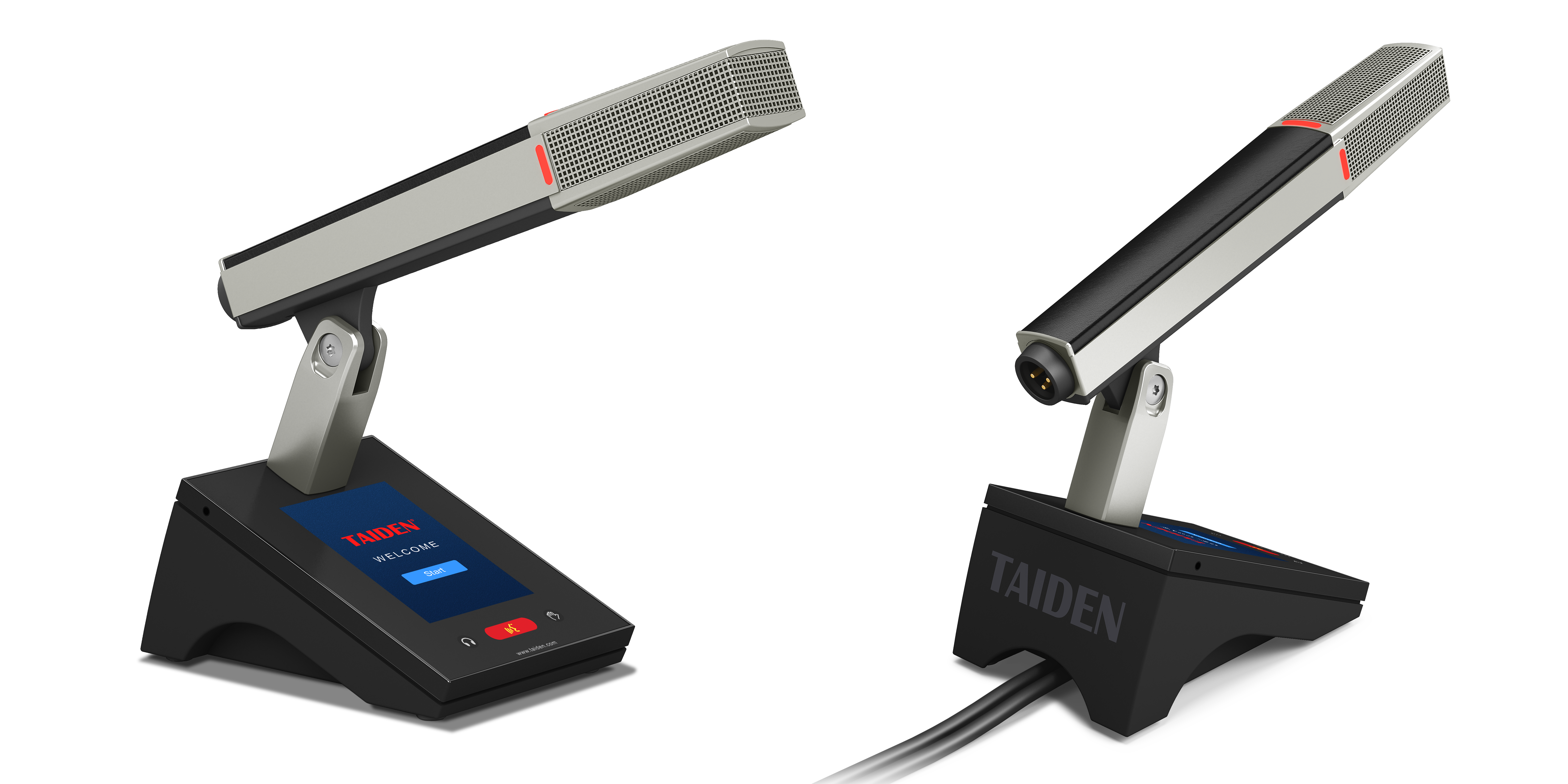
A modern discussion device looks simple—one unit, one job—but the old ways hide snags. Tabletop mics with long runs pull in hiss from power converters and pick up chair scuffs more than voices. Mixers chase volume with blunt automatic gain control (AGC), so the air vent sounds bold while a soft speaker fades. Without proper acoustic echo cancellation (AEC) and a tight beamforming array, the pickup pattern blooms too wide and grabs everything. Look, it’s simpler than you think: bad room + open mic + sloppy gating = mush. And when networked audio like Dante or other AoIP rides on a noisy LAN without QoS, latency drifts, and people start talking over one another—funny how that works, right?
Hidden pains show up where users least expect them. One person leans back, the mic loses intelligibility; another turns their head, the system pumps and hunts. Noise gates slam shut on quiet voices, then snap open for a pen tap. Legacy splitters and daisy-chained endpoints create ground loops and hum. A “set and forget” DSP preset misses the day’s reality: more remote callers, fewer in-room folks, and different seat maps. Even a well-placed array can fail if the ceiling reflects oddly or the HVAC shifts the noise floor by 6 dB. The long and short of it: traditional fixes treat symptoms, not causes, and the room wins the fight.
New Principles, Real Choices
What’s Next
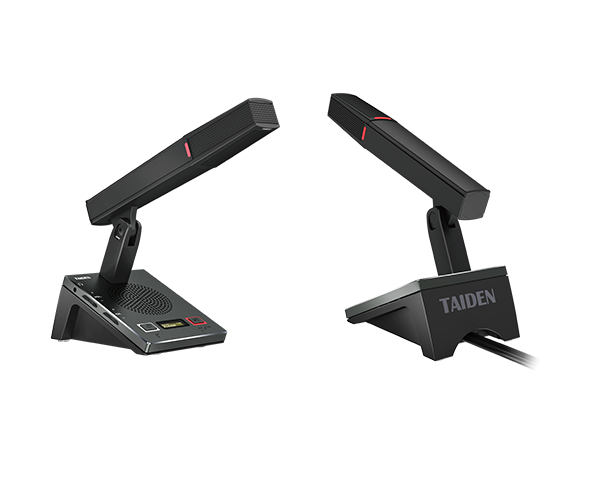
Forward-looking systems tackle the room first, then the voice. Instead of cranking gain, they use adaptive beamforming that tracks talkers and keeps the lobes tight. AEC now handles double-talk better, so no one gets clipped mid-idea. DSP can live closer to the seats on edge computing nodes, which cuts round-trip delay and stabilizes the mix. A good microphone manufacturer packages this with predictable coverage maps, clean PoE power, and diagnostics you can read without a PhD. Comparative point: old gear fights noise after it happens; new designs prevent pickup in the first place (narrow beams, smarter thresholds, cleaner clocking). Same table, same people—clearer story. And yes, it feels calmer in the room—funny how that works, right?
So, what should you measure before you buy or upgrade? Advisory close, plain and fair: 1) Intelligibility you can trust—target an STI of 0.60+ in real occupancy, not an empty room. 2) Latency budget from mic to ear—keep it under 20–30 ms end-to-end for natural turn-taking. 3) Echo resilience—check double-talk performance and how AEC adapts when seat positions change. Add in practical bits: stable network QoS, solid AEC tuning, and minimal reliance on aggressive noise gating. If a vendor shows you live logs, coverage heatmaps, and a quick way to re-seat zones, you’re on better ground. That’s the kind of barn-to-boardroom wisdom that saves meetings and reputations, without the fuss or frills. For a steady hand in this space, see TAIDEN.