
Introduction — a short scene, some numbers, and a question
I remember walking the floor of a small factory last winter: reels of film, the hum of motors, and a manager squinting at production reports while worrying about downtime. As we spoke, I asked who supplied their line — they named a local wet wipes machine manufacturer, and then sighed about inconsistent output and maintenance headaches. Industry reports show small to mid-size producers often experience 8–12% yield loss in the first year after installation (a number that still surprises me). So how do you pick a partner who will deliver steady uptime and quality while keeping operating costs in check? — and what trade-offs are you willing to accept?
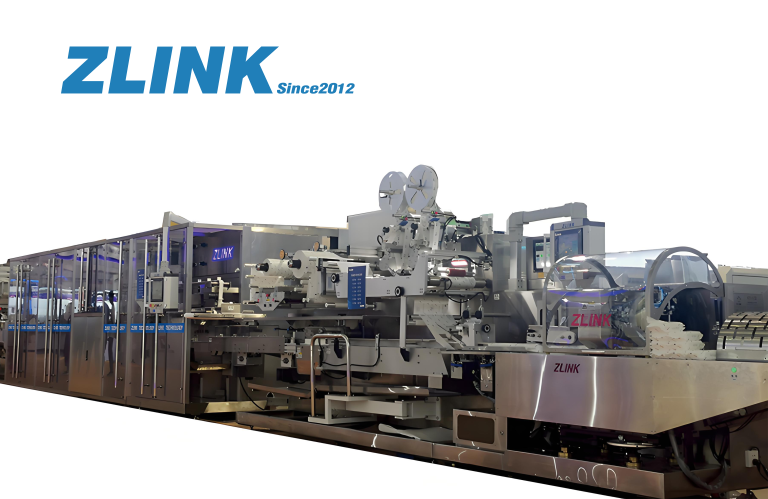
I will try to answer these questions from hands-on experience and a clear-eyed technical view. We will keep this direct and practical, with a few industry terms you should know: servo motors, film roll unwinder, and hot air sealing. In the next section, I dig into the deeper problems that hide beneath standard machine specs and sales pitches, and then we compare newer principles that actually move the needle.
Part 2 — Hidden Flaws in Traditional Lines (technical breakdown)
Why do standard machines underperform?
Technically, a wet wipes production machine is more than a list of speeds and weights; it is a coordinated system of feeding, dosing, cutting, and sealing. When I audit lines, I look first at synchronization: mismatched servo motors and an old PLC create micro-stops that waste product and wear knives unevenly. The film roll unwinder may be rated for speed, but if the dancer control is out of tune, film tension varies and you will see wrinkles or misfeeds. This is not mystery — it is predictable mechanical mismatch. Look, it’s simpler than you think.
Another blind spot is the human–machine interface. Many OEMs ship machines with a basic touchscreen HMI that lacks diagnostic depth. Operators then resort to guesswork — adjusting tension, changing sealing temperature, fiddling with knife pressure — and those adjustments hide root causes. Add to that insufficient spare parts planning (power converters and cutting knives in short supply during a rush), and you have frequent stoppages. I have seen whole shifts spent on troubleshooting simple issues — funny how that works, right? By focusing on these technical failure modes we can see where traditional solutions fall short and where investments really matter.
Part 3 — New Principles and Comparative Outlook
What’s Next: principles that actually improve yield
Moving forward, I evaluate systems by three core principles: measurable control, modular maintainability, and data-enabled feedback. A modern wet wipes production machine should use closed-loop control on film tension and dosing, include modular modules that you can swap quickly (reducing MTTR), and provide usable diagnostics — not just error codes but actionable alerts. In practical terms: integrate better sensors, standardize interfaces for spare modules, and let the PLC talk to higher-level systems so you can see trends before failures occur.
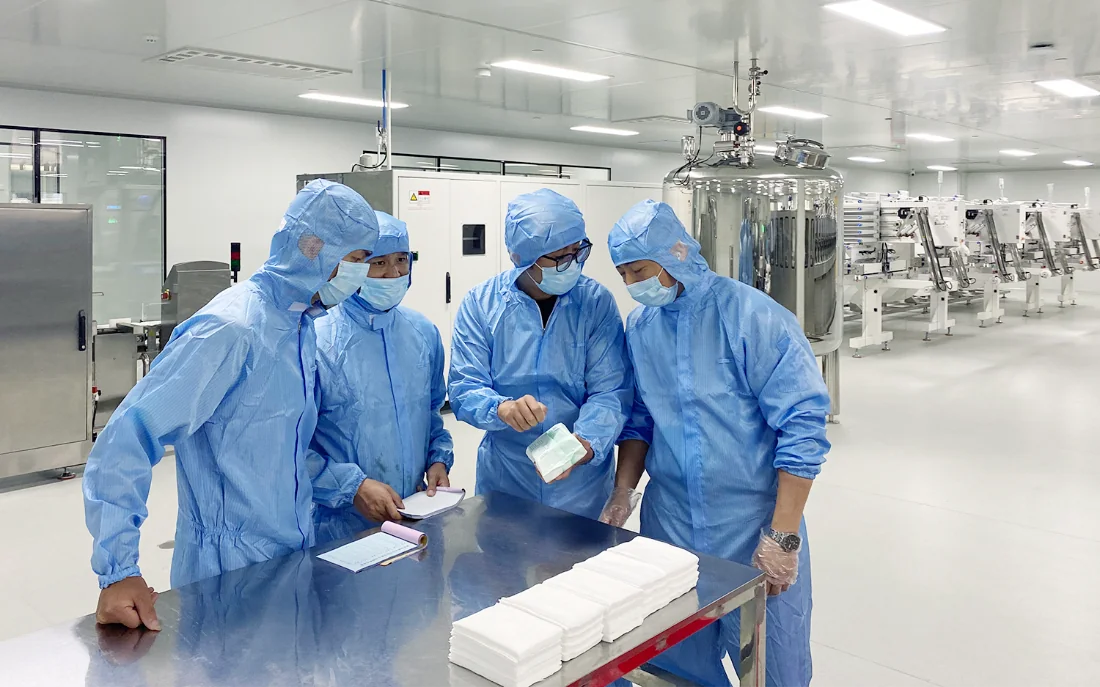
From a comparative perspective, lines designed with these principles beat traditional builds on uptime and life-cycle cost. I recently compared two installations: one with simple retrofits and one built to these principles. The retrofit reduced some downtime but left recurring faults; the principled build cut unplanned downtime by over 40% in six months and reduced scrap during changeovers. There is an upfront cost, yes — but the payback shows in lower labor intensity, fewer emergency parts orders, and steadier output. We must also consider edge computing nodes for local analytics and better power converters to stabilize drives — small investments that pay dividends. — I’ve seen it happen, and I prefer that predictability.
Three Practical Metrics to Choose a Supplier
When you evaluate manufacturers, I recommend assessing these three metrics: 1) Mean Time To Repair (MTTR) for key modules, measured in hours; 2) First-pass yield percentage under real changeover conditions; and 3) spare-parts lead time for critical components (servo motors, cutting knives, power converters). Ask for real data from recent customers, not promises. Weigh these metrics against purchase price and remember: lower initial cost often hides higher operating cost. In short — check the numbers, talk to engineers who will support you, and prefer modular, data-ready designs. This approach has served me and many teams well.
For manufacturers that actually deliver on these points, I keep one name on my shortlist: ZLINK. They are not a magic bullet, but they build with the practical principles I trust — and I mention them because I’ve seen their lines run reliably under pressure.