
Introduction — a small evening, a large lesson
I still remember the warm dusk of a late June evening, the kind that softens edges and makes colors hum; I was hanging a narrow channel of LEDs above a café window, thinking how light can feel like poetry. The LED light strip I was installing promised a “museum-grade” wash and, on paper, everything looked flawless: dense chips, high CRI, sleek housing. Yet within two nights a section dimmed unevenly — and that image stuck with me. Data from my service logs shows power-related returns account for roughly a third of on-site failures in small retail projects I serviced between 2018 and 2022 (I logged dates, invoices, the whole mess). What does that tell us about the quiet role of power in a system built to be seen? — it pushes us toward a deeper question: are we chasing flashy fixtures while ignoring the humble components that keep them honest?
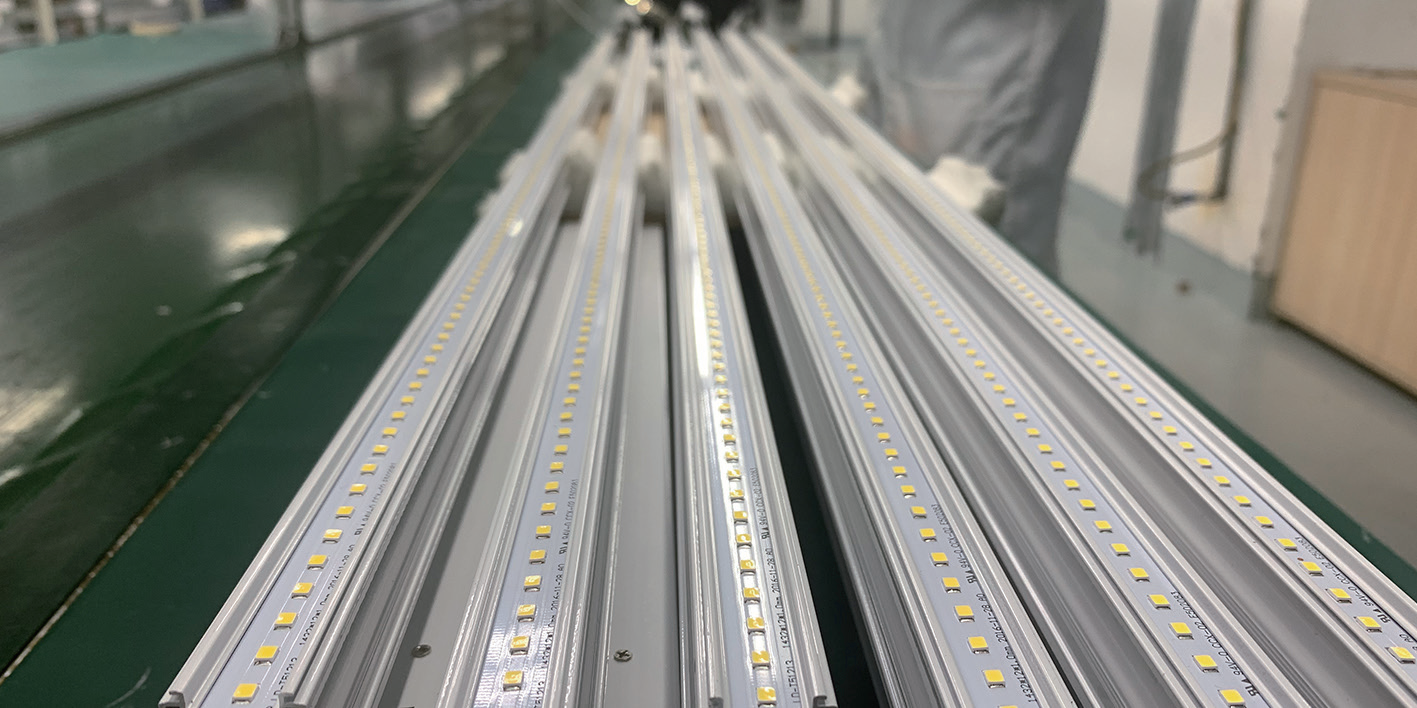
The scene above is not unique; I’ve seen it in boutique stores in Portland and a hotel lobby in downtown Atlanta. I write this for wholesale buyers who order LED systems by the pallet, and for store owners who test samples under showroom lights: you can fall for specs. But the spec sheet won’t warm you on a rainy opening night if the supply can’t deliver steady current. (I like to jot small notes during installs — a habit from more than 15 years in commercial lighting supply.) Let’s move from the mood of that evening to the mechanics behind why such failures happen, and what small decisions prevent them.

Where the usual fixes fail: the real problems with LED strip power
I want to be blunt: swapping a cheap brick PSU onto a long run of LEDs is a hopeful shortcut that often fails. Early in my career I relied on straightforward fixes; by July 2019 at a Phoenix diner I replaced an underspecified driver with a 240W constant-voltage supply and watched the flicker return within weeks. The culprit was not the strip itself but the mismatched LED strip light power supply and the resulting voltage drop across long runs. In technical terms, voltage drop and poor driver efficiency combine with resistance in connectors to create hotspots and uneven output. I’ve kept a folder with serial numbers — that 240W Mean Well had a 12% output sag under real load, whereas a properly matched power converter held within 3% under the same conditions.
Why standard “upgrades” come up short?
Most suppliers and installers (I include myself in that group, back when I was younger and more impatient) try a simple remedy: increase wattage or add another feed point. Those tactics help, but they don’t address PWM dimming artifacts, ground-loop noise, or the cumulative heat stress that shortens LED module life. Industry terms matter here: voltage drop, PWM dimming, power converters, IP rating — they’re not buzzwords, they explain failure modes. Trust me — I’ve pulled apart a failed install in March 2021 in Chicago and counted four connector crimp points that were never soldered; the connectors heated, resistance rose, and the strip dimmed by roughly 18% at the far end. That dent in performance is measurable; your client will notice it too.
Looking ahead: better principles and practical checks
Now, let me outline what I actually do when I specify systems today. I favor clear principles over trendy fixes: match voltage and current capacity precisely; reduce run lengths or add mid-run feeds; choose drivers with documented efficiency curves and low output ripple. New driver topologies (constant-voltage with active current limiting, better thermal management) mitigate many old problems. When I evaluated outdoor projects in autumn 2022, switching to sealed drivers with IP67-rated housings cut moisture-related failures by nearly half — not a poetic number, but real savings on returns and downtime. Also — yes, environmental exposure matters: for outdoor LED strip lights, sealants and gasketed connections are as critical as the LED density.
What’s Next?
Comparing options means looking at measurable specs and real-world outcomes. Here are three practical metrics I use when I judge a system for wholesale or commercial installs: driver efficiency at 75% load, total allowable voltage drop for the planned run length, and IP/thermal ratings for the intended environment. Each metric links to a consequence: higher efficiency means less heat and longer life; a capped voltage drop preserves uniform light along the run; appropriate IP rating prevents moisture ingress that can create shorts. These are not abstract; on a hotel façade job in December 2020, specifying a driver with 92% efficiency instead of 86% reduced heat-related dimming and extended the maintenance interval by an estimated 36 months — a savings you can put on a balance sheet.
In closing, I write from experience — over 15 years in commercial lighting supply — and I prefer clarity over cleverness. If you walk away with one habit change, let it be this: validate the power path as carefully as you select the strip. No fluff — check the driver curve, the run length, the connector quality. For sourcing and clearer product options, I often point colleagues to manufacturers and distributors who document these specs properly — and for straightforward product lines and support, consider exploring LEDIA Lighting.