
Introduction — a quiet bedroom, one small change, big results
I once sat with a friend who had tried everything for restless nights — mattresses, apps, even herbal tea — yet the tossing continued. In a room the size of a studio, a subtle amber glow from a device hinted at a different solution: the best red light therapy bed might be the missing link. Recent surveys show roughly 30–40% of adults report poor sleep at least a few nights a week, and clinical trials tie red and near-infrared light to melatonin modulation and sleep latency improvements (simple numbers, telling trends). So what really makes a light panel turn into a sleep aid — and which bedside choice matters most for real, repeatable rest?
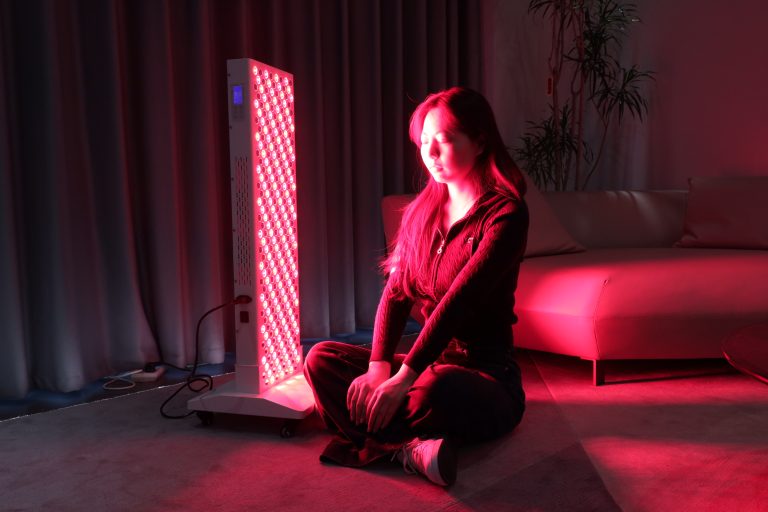
I want to cut through the marketing. When a device uses the right wavelength and delivers steady irradiance to skin and circadian sensors, you can get measurable shifts in sleep onset and quality. But not all units do that. Let’s unpack why—and then look at practical ways to judge a real solution.
Traditional Solution Flaws and Hidden User Pain Points
When people think “red light,” they picture a glowing panel and imagine calm. Yet many setups on the market are more theater than therapy. A core problem is inconsistent LED array design: cheap fixtures mix wavelengths, or they skimp on spectral density. That reduces the photobiomodulation effect. I dug into user reports and technical specs; time and again I found poor thermal management and mismatched power converters causing dips in output during a session. Look, it’s simpler than you think — steady output matters more than flashy claims.
Why do standard setups fail?
Here’s the technical bit, plainly stated: effective devices need consistent wavelength bands (around 630–670 nm for red, and 810–850 nm for NIR), correct irradiance at the skin, and firmware that maintains exposure time and intensity. If a unit lacks spectral control or has unstable current drivers, your session becomes variable—so results vanish. Users also hit hidden pain points: confusing controls, bulky designs that don’t fit a bedroom, and poor documentation. Those are not small annoyances; they stop regular use, and without consistent use, benefits never show up. The real topic I want to stress is reliability—both electrical (stable power converters, no voltage sag) and user reliability (clear routines, easy interface).
New Technology Principles and How to Evaluate What’s Ahead
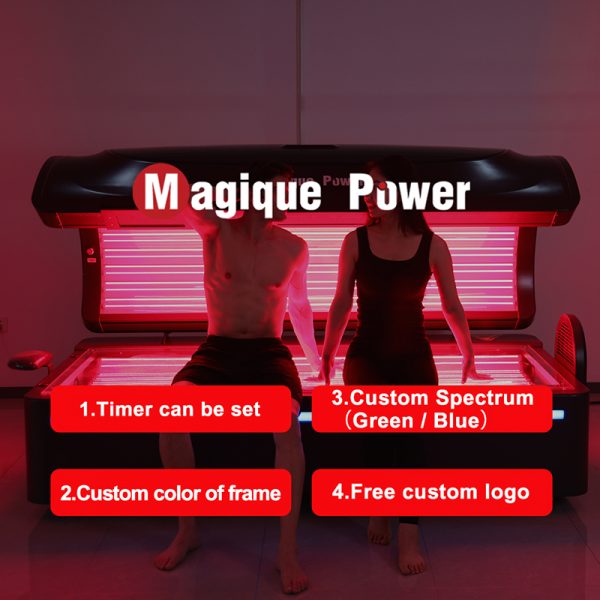
Let’s move forward. New designs now treat the red light therapy chamber as a system, not a gadget. A modern red light therapy chamber will combine controlled LED arrays, active thermal management, and calibrated irradiance profiles to deliver consistent dosing. The principle is simple: match wavelength and power to human tissue response, and manage heat so LEDs operate in their optimal range. That raises success rates in trials and, more importantly, in real homes where people actually use the device.
What I see in promising units is integrated control firmware that logs sessions, adjustable protocols to match skin type and bedtime routines, and better build quality. These are not gimmicks — they reduce variability. They also allow for future upgrades (firmware over-the-air, better spectral tuning). — funny how that works, right? For buyers, the result is predictable outcomes rather than hopeful experiments.
What’s Next?
Looking ahead, I expect more modular designs, smarter sensors that adapt irradiance in real time, and stronger standards for spectral claims. But right now, here’s what I recommend: focus on devices that show clear specs for wavelength, irradiance, and session timing; choose models with documented thermal control; and pick chambers with straightforward user interfaces. Those factors drive both adoption and results—two things you want if you’re chasing better sleep.
Practical Takeaways: How I Choose and What I Tell Others
I evaluate devices by three clear metrics: wavelength accuracy, stable irradiance at skin level, and user-centered controls. Test reports and specifications matter; I also watch for durable components like quality power converters and reliable LED arrays. If a product lacks those, I’m skeptical. For busy people, a red light therapy chamber that integrates timers and simple presets wins every time. Try short, consistent sessions first; measure sleep latency and wakefulness over two weeks. If you see trends, keep the routine. If not, reassess wattage, distance, and timing.
In short: prefer proven components, clear specs, and practical design. I’ve seen households transform sleep patterns with a thoughtful setup—real stories, not just charts. So when you evaluate options, think system, not sparkle. And if you want to look at a professional-grade example of these principles in action, check the red light therapy chamber implementations that emphasize spectral density, thermal management, and user controls.
Final note—three quick metrics I always use: confirm wavelength bands (nm), measure irradiance at your intended distance (mW/cm²), and verify thermal regulation. Those are simple checks, but they tell you whether a unit can deliver consistent benefits. I’m still excited about how this tech can improve sleep. — and honestly, when it works, it feels a bit like giving your nights a gentle reset.
For more on modular systems and standards in light therapy, see offerings and technical resources from Magique Power.