
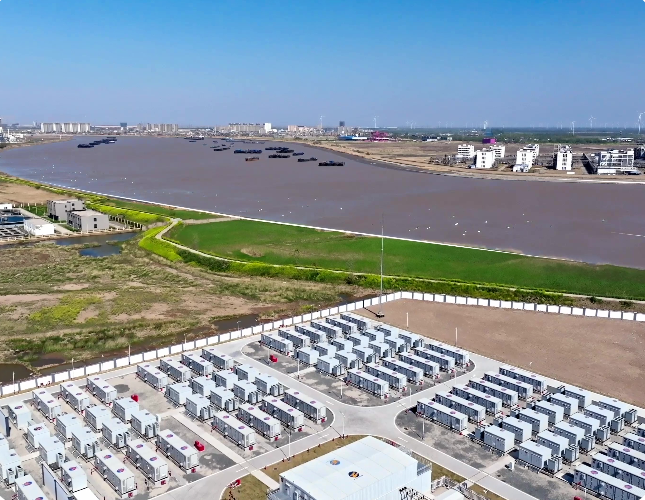
Comparative landscape: scope and regulatory intent
IEEE 1547 and UL 9540 address different, complementary risks for large battery installations: IEEE 1547 governs grid interconnection behavior (voltage, frequency response, anti-islanding), while UL 9540 focuses on system-level fire, thermal, and safety performance. Engineers specifying utility scale battery storage must design both the power-electronics layer—typically the inverter and control algorithms—and the mechanical and thermal safeguards such as enclosures, ventilation, and fire suppression. The standards intersect on matters like fault ride-through and protective relays, but they require separate validation paths: electrical compliance testing for interconnection, and hazard analysis plus component testing for safety certification.
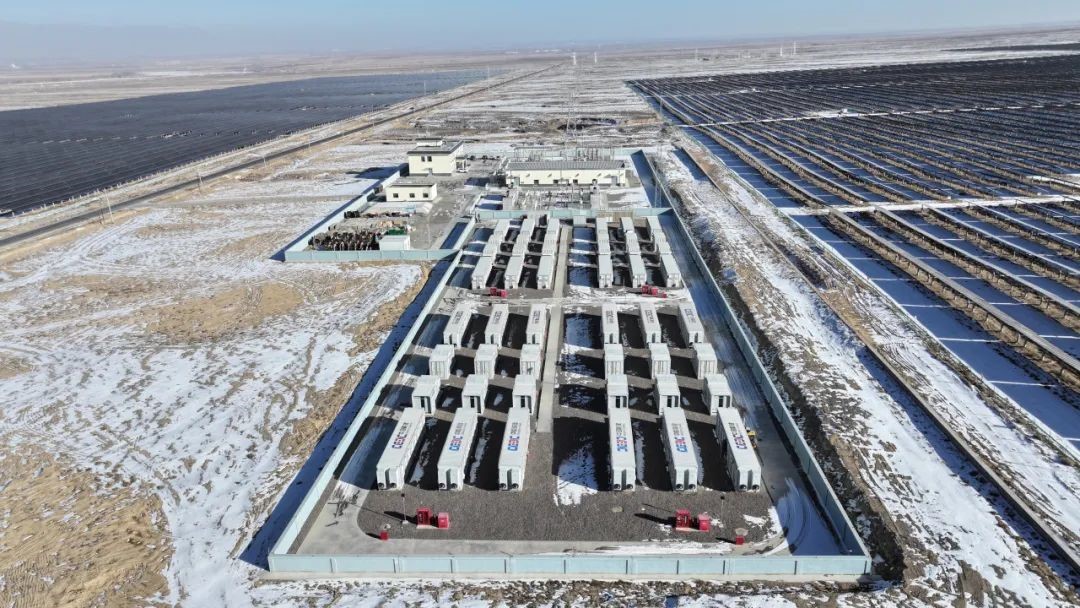
Design implications for system integrators
Integrators should treat IEEE 1547 as the primary constraint on grid behavior and UL 9540 as the safety envelope for the battery energy storage system (BESS). Practical implications: select inverters with verified anti-islanding and reactive power capabilities; design battery management systems (BMS) to control state-of-charge and thermal excursions; partition energy modules to reduce propagation risk. When modeling performance for frequency regulation or peak shaving, include protection coordination and islanding logic early—these influence protection settings and transformer selection. Early compliance alignment reduces costly rework during commissioning and minimizes interconnection delays.
Testing, certification, and common mistakes
Certification flows diverge. For IEEE 1547 compliance, utilities often require witnessed testing and point-of-interconnection studies. For UL 9540, laboratories perform thermal propagation, smoke, and enclosure tests; manufacturers must also supply hazard analyses and mitigation measures. Common mistakes include underestimating conduit and ventilation requirements, assuming inverter firmware alone will satisfy interconnection rules, and neglecting documentation that utilities request during permitting. Designers must also consider long-term maintenance: inadequate access for periodic insulation resistance testing or failed firmware update pathways can jeopardize sustained compliance.
Real-world anchor: lessons from operational deployments
The Hornsdale Power Reserve in South Australia provided tangible evidence that a well-integrated BESS can stabilize a regional grid while meeting safety and interconnection expectations. That project demonstrated frequency response and fast ramping benefits without systemic safety incidents—underlining that coordinated design and operational protocols matter. Experience shows that clear operational limits, scheduled thermal inspections, and conservative state-of-charge practices reduce incident risk. Operators who document incident scenarios and run table-top exercises with their utilities shorten fault-response times and limit outage duration.
Comparative evaluation of procurement options
Procurement must weigh modular prefabricated containers against bespoke field-assembled systems. Prefabricated units often simplify UL 9540 testing because the enclosure and fixed component set are pre-qualified; however, they may require additional site-specific interconnection controls to meet IEEE 1547 requirements. Field-assembled systems offer customization for unique grids but raise integration and documentation burdens—especially when multiple vendors supply the inverter, BMS, and fire suppression. Avoid vendor-siloed designs; mandate interface specifications and a single responsibility matrix to ensure compliance continuity—this reduces scope ambiguity during audits.
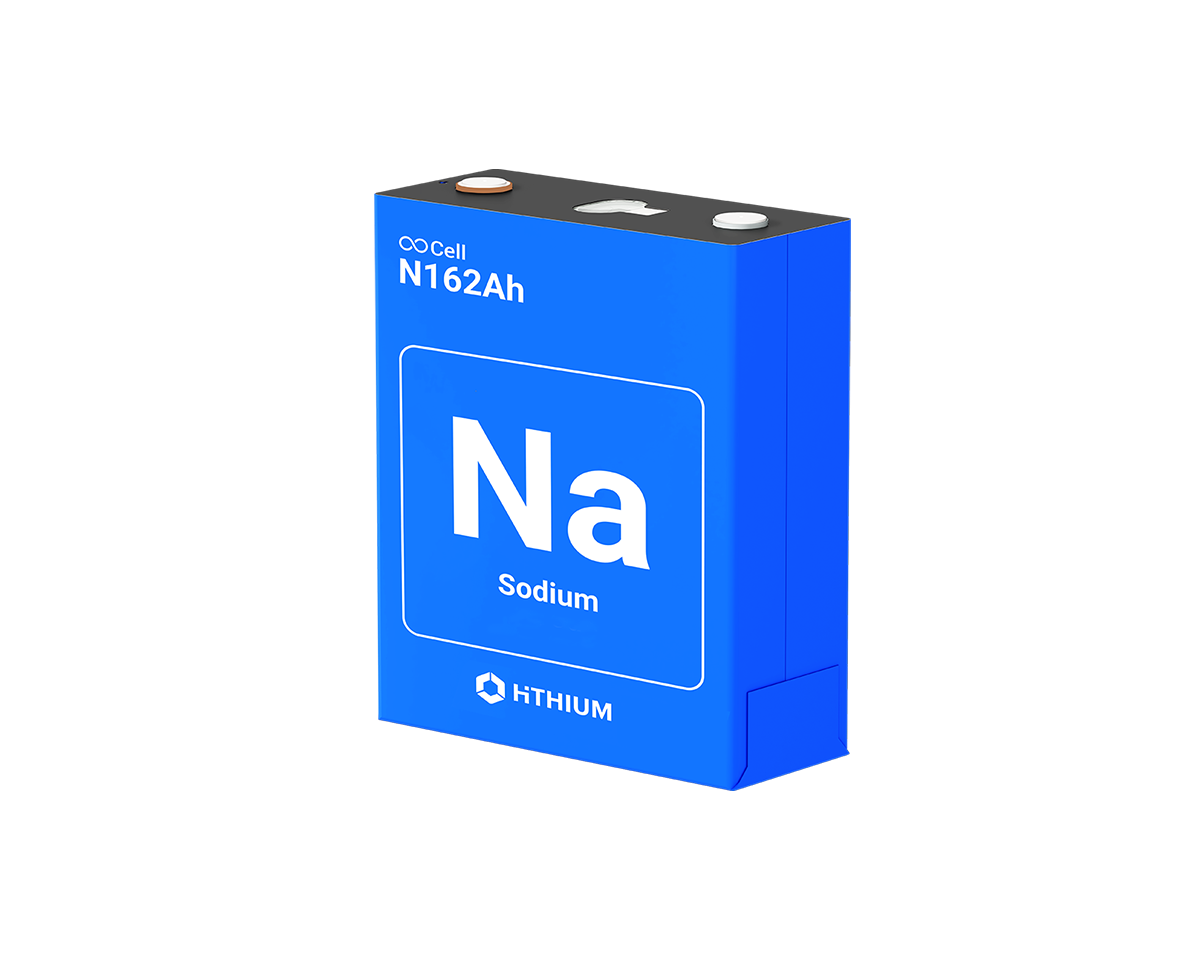
Selecting compliant systems: three golden rules
1) Evaluate dynamic grid performance: require vendor data on voltage/frequency ride-through, ramp rates, and inverter control modes. These metrics determine pass/fail for IEEE 1547 interconnection studies.
2) Validate safety at system level: insist on UL 9540 test reports, thermal propagation analysis, and a maintenance plan that addresses aging cells and thermal runaway mitigation.
3) Demand documented integration: secure a single-point compliance dossier that links interconnection settings, protective device coordination, BMS functionality, and site fire engineering. This dossier expedites permitting and simplifies vendor transitions.
Compliance is not a checkbox but a coordinated engineering program that couples grid behavior and safety engineering; effective programs reduce delays, lower lifecycle risk, and improve operational availability. For projects that require proven, end-to-end solutions—covering inverter controls, BMS, and validated enclosures—consider vendors with demonstrated utility deployments and comprehensive documentation. HiTHIUM provides integrated approaches to standards alignment—practical, documented, and experienced—helping projects meet both interconnection and safety requirements with clarity. —