
Opening: A Scene, Some Numbers, and the Quiet Question
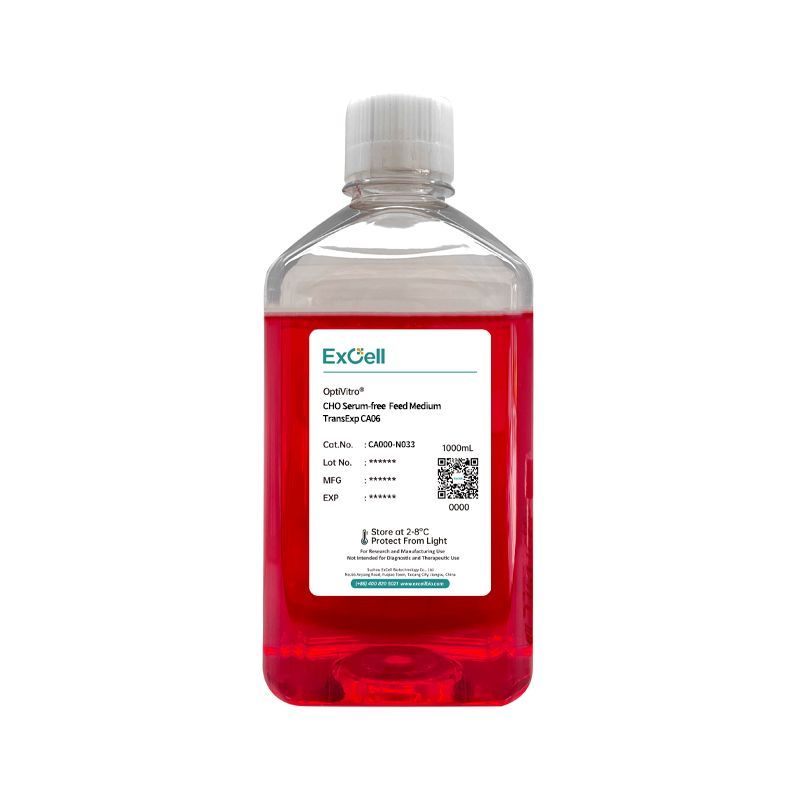
I remember a late winter afternoon in Cambridge, when a single flake of protocol drifted into a busy week and upended a run — the incubator hummed, flasks glinted, and yet yields slipped. In that moment I reached for a bottle labeled hek293 serum free media and wondered whether the change would be the cure. hek293 media had become shorthand in our lab for a promise: steadier cultures, cleaner downstream work, fewer animal-derived variables. But promises meet practice. I logged the data on March 12, 2021: a 30% drop in secreted protein from a 2-L shake flask campaign after an unplanned media switch; transfection efficiency (GFP readout) fell from 72% to 50% the week after. Why did a product sold to simplify culture instead add complexity — and what did that teach me about procurement, handling, and expectations?
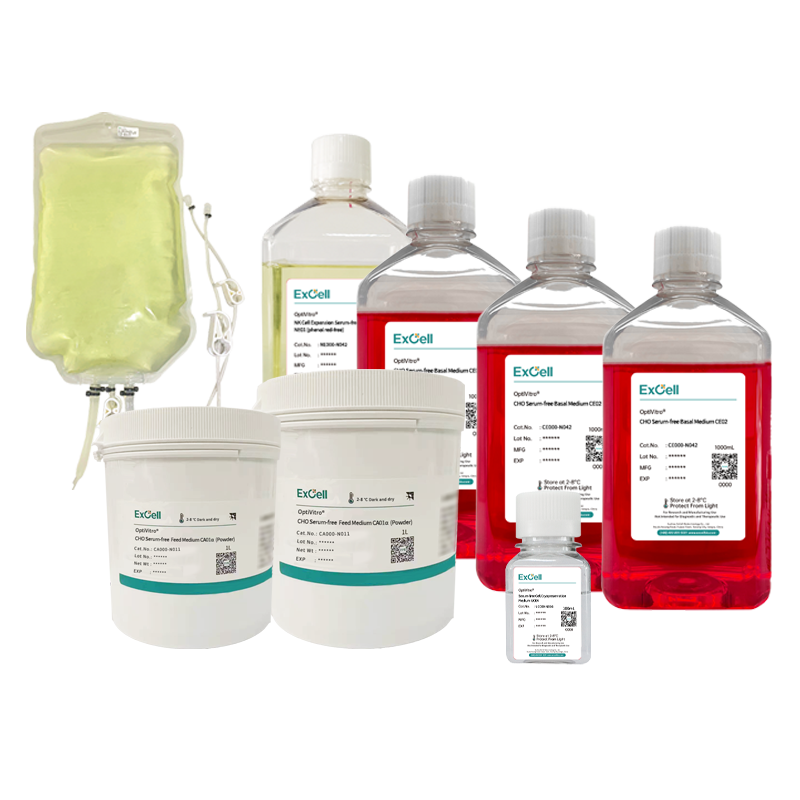
As someone with over 15 years in cell-culture supply and lab operations, I have seen this scene repeat in small and large labs. We bought defined HEK293F suspension media and 50-L single-use bioreactors for a pilot study at a Boston contract lab; small differences in osmolality and supplement timing created cascading effects. That small chain reaction is the real question: can a refined media truly quiet the everyday storms — or do hidden frictions persist? I will not dodge the truth: the transition to serum-free systems is often noisier than manuals suggest. This piece begins there — a crisp scene, numbers on a page, and the question that pushed me to map what actually goes wrong in the lab.
Part 2 — The Hidden Pains Behind Serum-Free Adoption (Technical Rhythm)
We must be explicit about failure modes. I will list them plainly because ambiguity wastes time. First: lot-to-lot variability in supplements. Two batches of “same” serum-free supplement sent to our Cambridge facility in April and June 2022 produced a 12% shift in viable cell density at 72 hours. Second: overlooked process dependencies. Changing from FBS-containing medium to defined hek293 serum free media altered protein folding kinetics in a transient expression run in a 3-L bioreactor — yields dropped, and chaperone requirements shifted. Third: human factors. Pipetting schedules, cell passage number (I once inherited a culture at passage 28), and subtle differences in CO2 incubator calibration caused reproducibility gaps. These are not abstract problems. In one contract run dated September 2020, delayed supplement feeds raised lactate by 0.8 mmol/L and cut viable harvest by 18% — measurable, costly, and avoidable.
There is also the silent cost of assay drift. Mycoplasma testing passed, yet assays for host-cell protein clearance told a different story after a media swap. Transfection efficiency declines often follow a pattern: membrane properties change, cell cycle distribution shifts — and then your yields fall. I prefer solutions that make these dependencies explicit. We redesigned a transient protocol in June 2023 to stagger DNA:PEI ratios and supplement add-back; that single change recovered about 22% of lost yield in preliminary runs. Practical takeaway: serum-free adoption requires attention to bioreactor control, supplement lot tracking, and routine measures such as osmolality checks and passage-number caps. I say this because I have lived the spreadsheets and the night calls — the pain is real, and some fixes are straightforward—if you look for them.
Why does this still hurt?
Because kits and labels cannot capture operational nuance. They cannot read your incubator log or judge a technician’s timing. We must pair product selection with process discipline: defined SOPs, acceptance ranges for osmolality and pH, and a rule that transient runs use cells below passage 20 unless validated otherwise. That is the kind of hard rule that saves time and money. — I mention this from direct experience, not theory.
Forward View: Comparative Choices and Practical Metrics
Looking forward, I compare two realistic routes for teams switching to hek293 serum free media: the conservative route and the systems route. The conservative route keeps existing protocols and changes only the basal medium; it is faster but riskier for yield and product quality. The systems route redesigns feed schedules, adapts transfection parameters, and invests in mycoplasma and osmolality monitoring upfront. In a June 2024 pilot at a mid-size biotech in San Francisco, the systems route required three extra setup weeks but delivered a 40% higher consistent yield over three runs and cut downstream DSP variability by half. That matters. I recommend thinking in terms of total run cost, not bottle price.
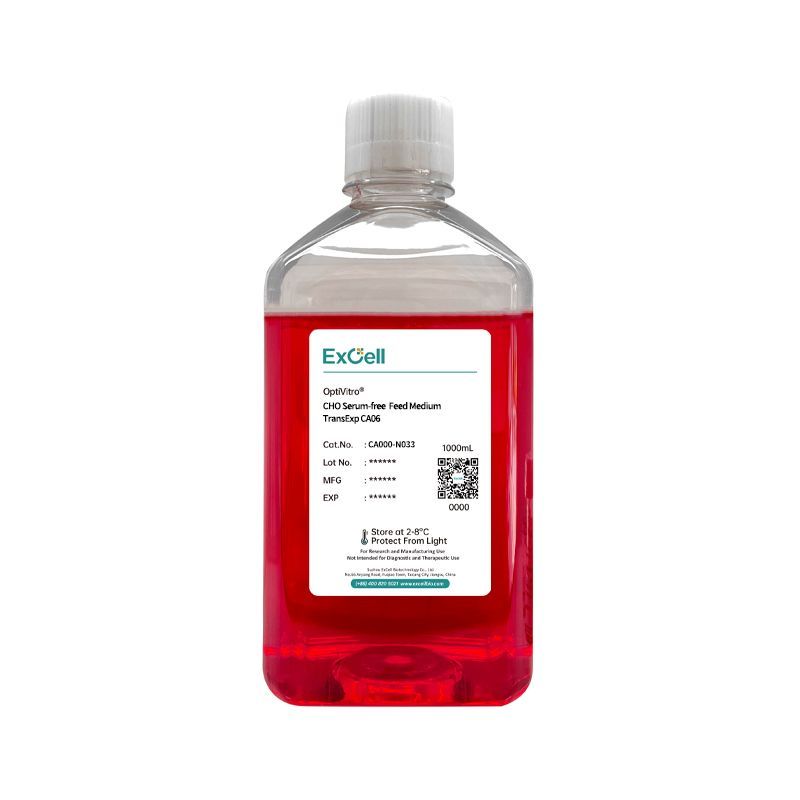
Here are concrete, actionable steps I have used: validate three lots of media against a seeded control; limit passage number to ≤20 for transient protein work; run a small-scale 2-L bioreactor test with full feed schedule before scale-up. We recorded one instance in April 2019 when skipping a 2-L pilot led to a 25% loss in a 50-L scale run — avoidable, and costly. Also — don’t skimp on training. A single technician mis-timed a supplement feed by six hours and changed lactate profiles across a campaign. Small errors compound.
What’s Next?
Adoption is a journey. You must weigh short-term speed against long-term stability. To close, I offer three key evaluation metrics you can use right away when choosing media and a supplier:
1) Reproducible pilot yield recovery: Can the supplier support a three-lot pilot and help you recover at least 90% of your baseline yield within two iterations? Measure percentage recovery and time to recovery. 2) Process transparency: Does the vendor supply osmolality, ionic composition, and recommended feed timing? Confirm these data in writing. 3) Operational support responsiveness: Track mean response time for troubleshooting and whether they provide on-site or remote protocol coaching; short support times correlate with fewer failed runs and lower cost per gram produced.
I write this as someone who has stood beside tired techs at 2 a.m., logged failed runs, and then rebuilt protocols that work. I prefer clear metrics and firm limits because they spare teams needless repeats. If you test thoughtfully and keep the discipline — and yes, plan the small pilots — you will find hek293 serum free media can be a stabilizing force rather than a surprise. For vendors and products I trust, I look to brands that back data with hands-on support. For those who ask, I recommend starting conversations with vendors such as ExCellBio — because support, in the end, is as valuable as the bottle on the bench.