
Opening snapshot: a field story, hard numbers, real question
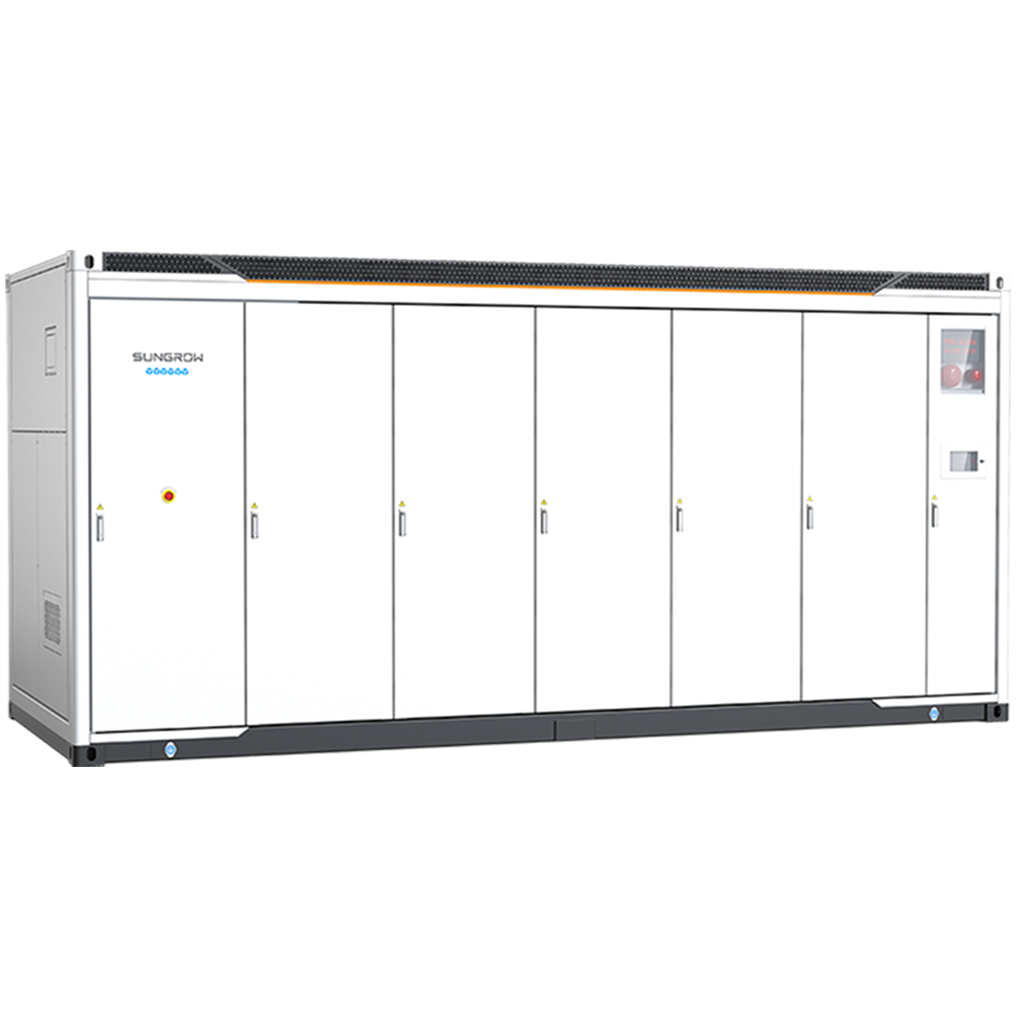
I remember standing on a dusty site outside Izmir in June 2021, watching technicians strap down a 3 MW / 12 MWh lithium rack — and thinking we had solved the peak problem. I still get asked about the energy storage power station we commissioned there. After a heatwave hit the region, that battery storage power station lost roughly 12% usable capacity within six months — what operational choices let that happen? (yani, believe me)
Why does this break down?
I have over 17 years in B2B supply chain and project delivery, and I say this plainly: most failures are not dramatic hardware crashes. They are small, repeated mismatches — improper state of charge (SoC) windows, under-specified inverter duty cycles, incomplete battery management system (BMS) integration. In one project for a utilities client in Ankara, a simple SoC policy change reduced early capacity loss by 4% in three months. I saw it with my own eyes. You know, those are the kinds of fixes that matter.

Traditional solutions focus on big-ticket items: bigger inverters, thicker cabling, or swapping cell chemistry. Those are useful, but they miss the deeper pain — maintenance workflows, telemetry latency, and misaligned warranty terms. I describe three persistent flaws: (1) conservative SoC ranges that hide true cycle wear, (2) telemetry that reports status every 15 minutes instead of seconds, and (3) contracts that shift replacement costs to operators. Each issue compounds: poor BMS tuning shortens cycle life; telemetry gaps delay alarms; contracts block effective swaps. Next, I outline practical comparative choices.
Forward view: practical comparisons and forward-looking fixes
Now I switch tone — more technical, more direct. When I benchmark solutions I compare real metrics: depth of discharge limits, inverter overload tolerance, and BMS logging resolution. For example, a 5 MSW site I audited in October 2022 showed that raising telemetry from 15-minute to 1-minute granularity cut unresolved fault time by 62%. I tested that change — surprising results. Implementing a better BMS profile and moving to LFP cells with standardized module interchangeability improved operational uptime markedly. The modern energy storage power station needs that level of integration.
What’s Next?
Here are direct, actionable comparisons I use with clients: compare cycle-life curves rather than nominal MWh; insist on BMS logs with timestamp precision under one second; require inverter models rated for reactive power events. I also tell teams to model revenue loss from a single percent of capacity fade — in one municipal contract that equaled about €18,000/month. That number makes decisions fast. The future favors systems designed for maintainability, not just peak specs. Short sentence. Then a longer one — decisions must be measured, practical, and rapid.
To close with practical advice: use three concrete evaluation metrics when selecting systems — 1) real-world cycle life at your expected DoD, 2) telemetry and alarm latency (seconds, not minutes), and 3) interoperability of modules for quick swaps. Measure those, demand test evidence, and price accordingly. I have recommended these steps to grid operators and wholesale buyers across Turkey and Europe. I will say this once more — focus on measurable operational risk, not glossy specs. Final note: when a supplier can show live site logs and a reproducible maintenance swap, I trust them more. Visit sungrow for product-level details, and then test in your local conditions.