
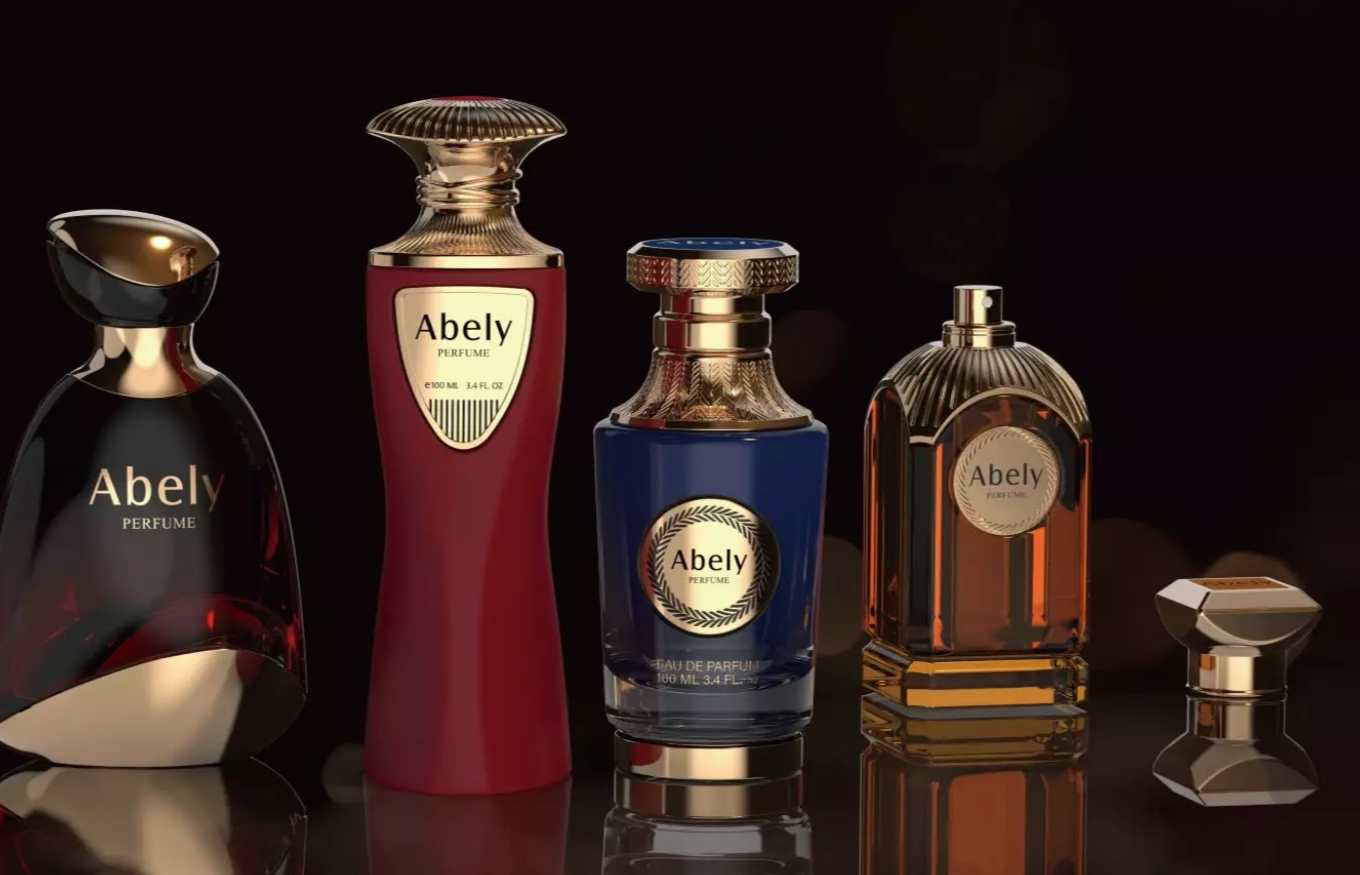
Opening — the buyer’s perspective
Brands launching or scaling a fragrance line need packaging that reflects their identity while remaining cost-effective and reliable. For many teams, the decision starts with sourcing — which is why perfume bottles wholesale options are reviewed alongside brand strategy in the same meeting. This user-centered approach is grounded in real industry practice: historic perfume centers like Grasse, France, still set expectations for quality and finish, and modern niche houses model supply choices on those long-established standards.
Aligning bottle design with brand requirements
Design decisions should map directly to target customers, price point, and retail context. Neutral facts matter: heavier glass communicates luxury but raises unit cost and shipping weight; minimalist flint glass suits contemporary, lower-cost offerings. Considerations include neck finish, closure compatibility, and secondary packaging needs. A clear checklist — visual identity, tactile cues, manufacturing tolerances — reduces back-and-forth with suppliers and shortens time to market.
Materials, finishes, and production realities
Glass, PET, and metal components each bring trade-offs. Glass is recyclable and perceived as premium; PET is light and cheaper but needs clear labeling to manage brand perception. Coatings and lacquers can be applied for color or texture, yet add complexity to quality control. Manufacturers familiar with regional regulations — for example, IFRA guidance for packaging contact — can prevent late-stage compliance issues. Work with factories that publish tolerance sheets and pre-production samples to avoid surprises.
Sourcing, MOQ, and logistics — practical tips
Sourcing decisions hinge on minimum order quantities, lead time, and logistics. Smaller brands often start with modular designs or stock shapes to keep MOQs low; growing brands incrementally shift to custom molds. Import duties and freight consolidation impact landed cost more than unit price in many cases — so evaluate suppliers on total delivered cost, not just FOB. When possible, inspect local warehousing and clarify return or defect allowances before contracting.
Common mistakes and sensible alternatives
Brands frequently chase bespoke sculpted bottles before validating market demand — an expensive misstep. A sensible alternative is to pilot with standard shapes and limited decorative elements, then graduate to fully custom forms once sales justify tooling. Another common error is neglecting fill-compatibility: not all sprayers work with every neck finish. Test assemblies early — sprayer fit, cap alignment, and label adhesion are simple checks that prevent costly reworks. — These small tests often resolve the majority of downstream issues.
Evaluating suppliers and quality control
Choose suppliers by demonstrated capabilities: sample portfolios, factory certifications, and consistent measurement data. Ask for dimensional drawings, declared tolerances, and photographic records of production batches. A basic audit protocol: random sampling, strength testing for closures, and visual inspection under consistent lighting. For brands that prioritize transparency, request material certificates and inquire about recycled-content options for a more sustainable claim. If you need to compare offerings, search specifically for a wholesale fragrance bottle partner that documents these controls.
Three golden rules for selecting wholesale bottle solutions
1) Evaluate total cost of ownership: include tooling, logistics, and likely scrap rates rather than focusing solely on unit price. 2) Prioritize compatibility checks: sprayer fit, cap torque, and label adhesion are non-negotiable pre-production tests. 3) Insist on verifiable quality metrics: declared tolerances, batch photos, and a simple sampling audit should be standard. These rules make supplier comparisons objective and protect launch timelines.
Closing synthesis and brand alignment
Ultimately, the best wholesale bottle choice balances aesthetics, manufacturability, and predictable cost. By centering decisions on the user — the brand team and their customers — teams avoid costly design indulgences and make measurable progress toward retail readiness. For many fragrance houses, that balance arrives through iterative testing, clear supplier documentation, and a staged roadmap from stock shapes to custom tooling, with Abely naturally fitting as a documented partner in that pathway: Abely.
Expertise in packaging, proven processes, trusted partners — rely on experience. —