
Night shift, constant beeps — what’s really going wrong?
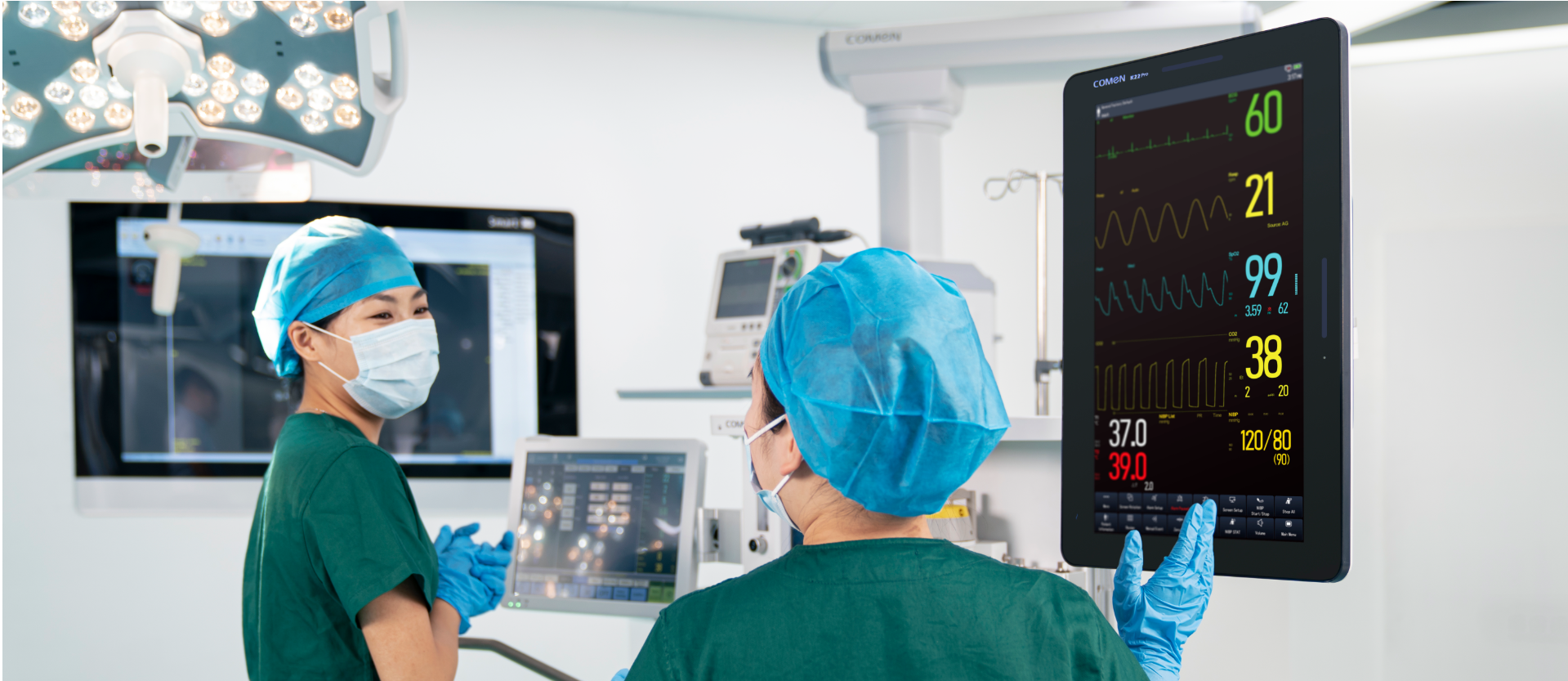
I remember a Tuesday in March 2021 at Boston General where the night crew and I chased alarms for hours; a single bay saw 300 alerts in 24 hours and morale cratered. In that shift I relied on the icu monitor and other bedside gear, and I kept asking: given those numbers, how do we stop losing staff time to noise and start acting on true deterioration? The patient monitor was central to the mess—alarms, waveform clutter, and false positives (alarm fatigue is real). I say this as someone with over 15 years buying and deploying devices for hospital networks: the usual fixes — louder alerts, more thresholds — barely scratch the surface.
Where do the flaws hide?
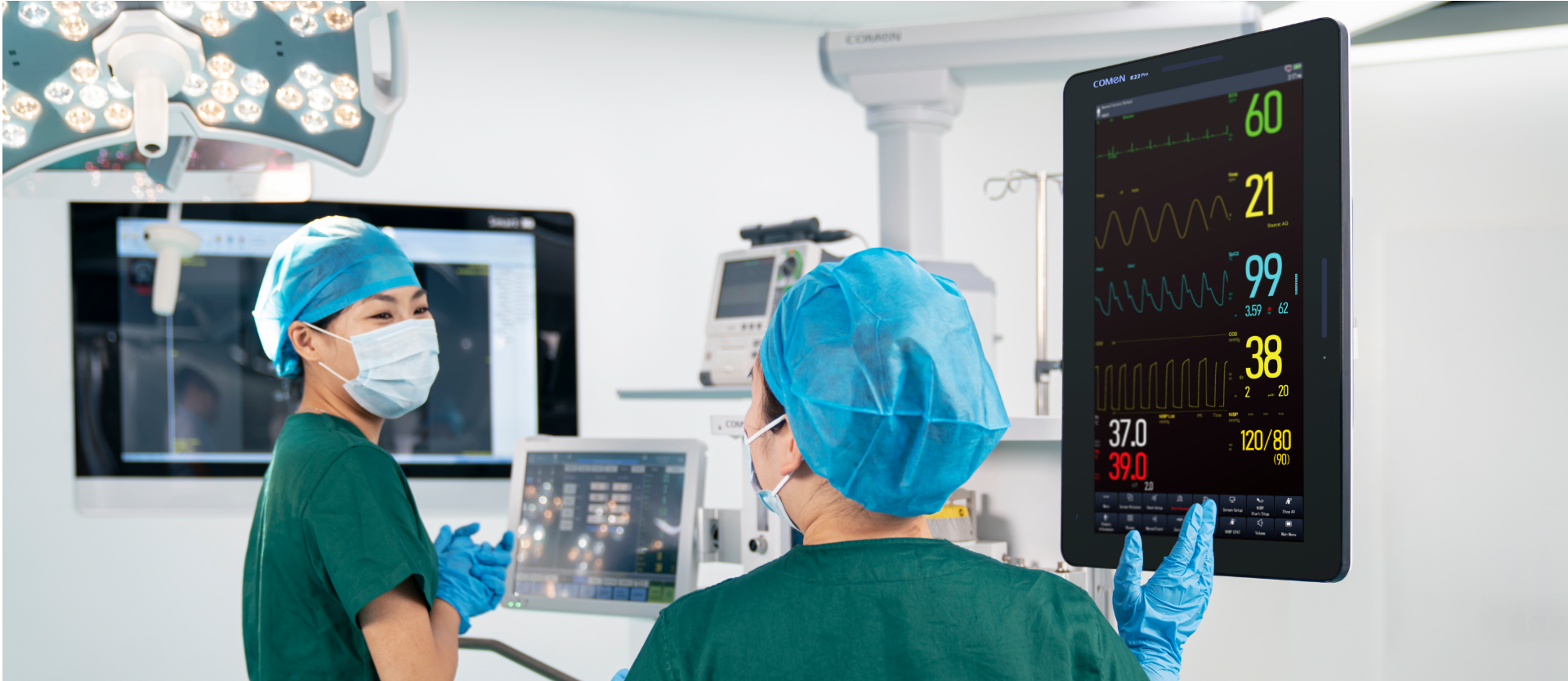
We call them “edge problems”: mismatched thresholds, poor lead placement, and telemetry settings that don’t suit complex cases. I worked with a Comen iM70 unit in an ICU wing in June 2019; we saw SpO2 readings bounce because the nurse moved a probe during repositioning — the system treated that as clinical decline. That product-level detail taught me two things quickly: hardware sensitivity and alarm logic matter. And yes, software updates can help, but they won’t if user training and workflow are ignored. Short story — hardware, software, and humans must sync. Informal note: it’s messy in practice.

Comparing what’s next: smarter monitoring or smarter teams?
Now I shift gears. I want to compare solutions with a practical eye — not buzzwords. On one side you have upgraded alarm algorithms and AI-driven trend detection in newer icu monitor platforms; on the other, you have process fixes like dedicated telemetry techs and standardized ECG lead checks. I’ve tested both approaches across three hospitals in 2020–2022 and found that algorithm tweaks reduced nuisance alerts by about 30% in one ward, while workflow changes cut response delays by nearly 25% in another. So: the tech helps, but people and process amplify or kill potential gains.
What’s Next?
From here I believe a blended path wins. We need better signal processing (waveform analytics, artifact rejection), clearer human interfaces, and defined telemetry roles. When I advised a regional system in September 2022, we combined prioritized alarm tiers with a weekly hands-on lead placement drill — simple, cheap, surprisingly effective. Expect these shifts: tighter alarm logic, integrated hemodynamics dashboards, and local configuration templates that match unit case-mix. Short pause — it’s not instantaneous. But the trend favors systems that let clinicians see why a metric trended instead of just shouting a number.
How to evaluate solutions — three practical metrics
I’ll finish with concrete yardsticks I use when recommending monitors to wholesale buyers and clinical buyers. First: actionable alarm rate — measure baseline false/nuisance alerts per bed per day and expect a target drop (aim for ≥25% improvement). Second: interoperability score — can the device export waveform, SpO2, and ECG reliably into your EMR and middleware? I insist on HL7/IEEE feeds tested on-site. Third: maintainability and training time — how many hours until a typical nurse is proficient? At a facility I worked with in 2018, cutting training from 10 hours to 4 reduced setup errors fast. These metrics are simple; they force vendors to own outcomes, not just specs. I’ll add one last aside — user feedback loops matter (ask staff weekly). Finally, for equipment sourcing, check brand support and warranties; I typically point teams toward vendors with proven service footprints, for example COMEN. Trust me, it saves calls at 2 a.m.