
Introduction — a quick scene, some numbers, and a simple question
I once stood in a dim, early-morning barn watching hens move toward a single flickering fixture. The contrast was stark: shadows, scattered activity, and a manager counting feed waste (it was a small operation, but the cost added up). Commercial led barn lights show up in that scene — they are supposed to solve these exact problems, yet many farms still wrestle with uneven light and high bills. Recent surveys say farms replacing old fittings with modern LED solutions cut energy use by 30–60% and raised uniformity scores measurably. So why do so many installations still disappoint? — let’s move from the barn door into the wiring bay and see what’s really happening next.
Where standard fixes fall short: a practical look at the poultry farm lighting system
I want to start with plain language: the common fixes—swap bulbs, add timers—often miss deeper causes. When I review a poultry farm lighting system, I look past the fixture. Wiring, mounting height, and control logic matter as much as the lamp itself. Too many people judge only by lumen output and call it a day. That ignores color temperature, CRI, and how dimming is handled by the LED driver. The result? Birds see hotspots, staff see glare, and managers see unexpected costs.
Why does the usual approach fail?
Most faults are not the light but the system: incompatible dimming profiles, poor thermal management, and cheap power converters that shorten life. I’ve found LED drivers rated for short cycles fail within a season under frequent dimming. Photoperiod control gets tricky when the control signal is noisy or non-standard. Look, it’s simpler than you think — you need matched components and clear controls. Add in basic things like IP rating and fixture placement, and you’ll avoid a lot of trouble. In short: treat the lighting as a system, not a single part.
Forward-looking choices: examples and future outlook for smarter barn lighting
Looking ahead, I prefer to discuss examples rather than abstract tech. A mid-size layer farm I worked with replaced legacy HID fixtures with modular LED arrays, paired with simple networked dimmers and centralized schedules. The new setup cut power draw, improved uniformity, and made management easier. The trick was not just LEDs but integrating sensors and a reliable control plan in the poultry farm lighting system. Sensors gave occupancy cues, and a predictable photoperiod schedule reduced stress in birds—long term gains in feed conversion followed.
What’s next? Expect smarter drivers that support both local dimming and remote scheduling, better thermal designs, and clearer installation guides for farms. I’m cautious: new tech can sound great on paper but fails if installers don’t tune color temperature or account for lumen depreciation over time. — funny how that works, right? Still, the gains are real when systems are planned with CRI, lumen maintenance, and ease of service in mind.
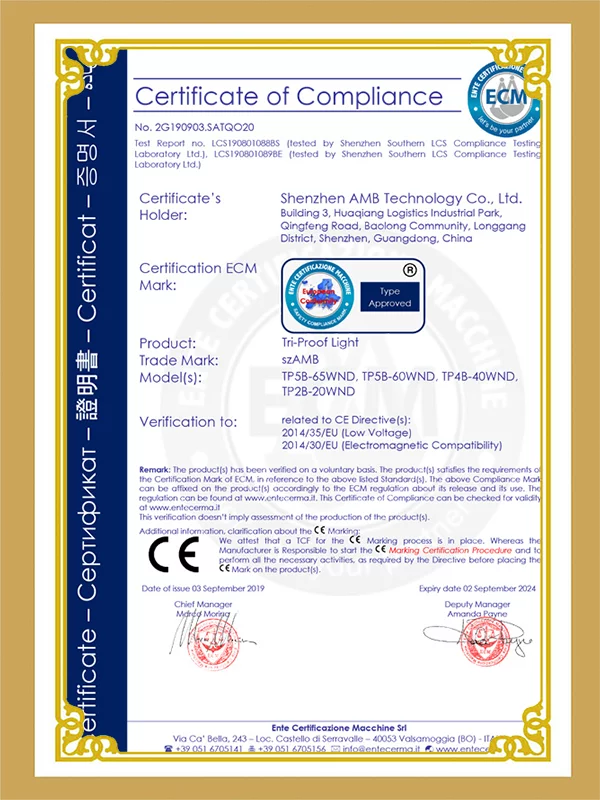
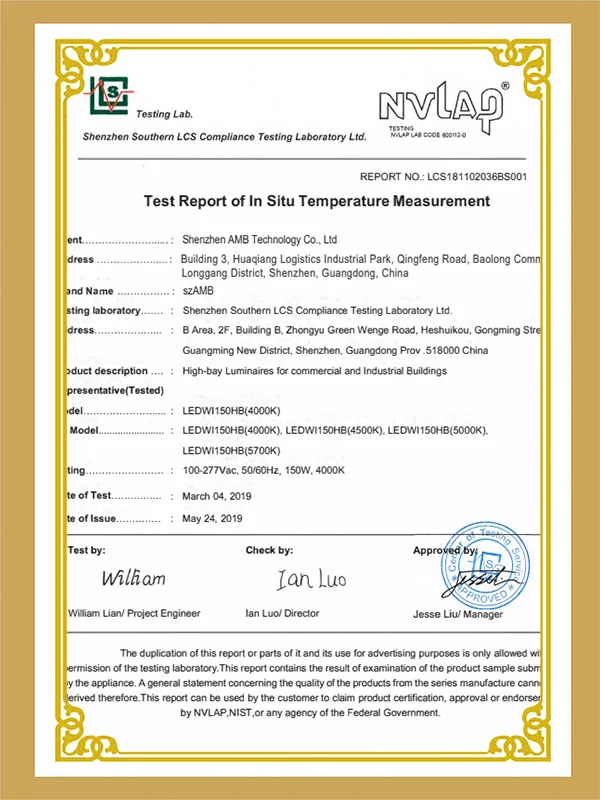
In closing, I’ll give three quick evaluation points I use when advising farms: 1) match LED driver and dimming protocol to your control plan; 2) check lumen output and color temperature against species needs; 3) insist on good IP rating and thermal design for longevity. I’ve seen these checks save time and money. For practical, tested products and guidance, I often point colleagues to hands-on partners like szAMB.