
Introduction
I once watched a young athlete step hesitantly into a treatment room and pause before a glowing platform — familiar scene at clinics now. In that moment, the question of value struck me: how many people actually benefit from a red light bed, and how do you tell a good device from a poor one? Red light bed use has grown noticeably in clinics and wellness centres (adoption rising steadily), and anecdotal reports often mix with clinical data — so we are left asking: what should a buyer look for, really? This piece will walk you through practical comparisons and technical points, and then point to clear metrics you can use before you upgrade or invest. Let us turn the spotlight to the specifics and move on to what commonly goes wrong.
Part 1 — Why many traditional designs fall short
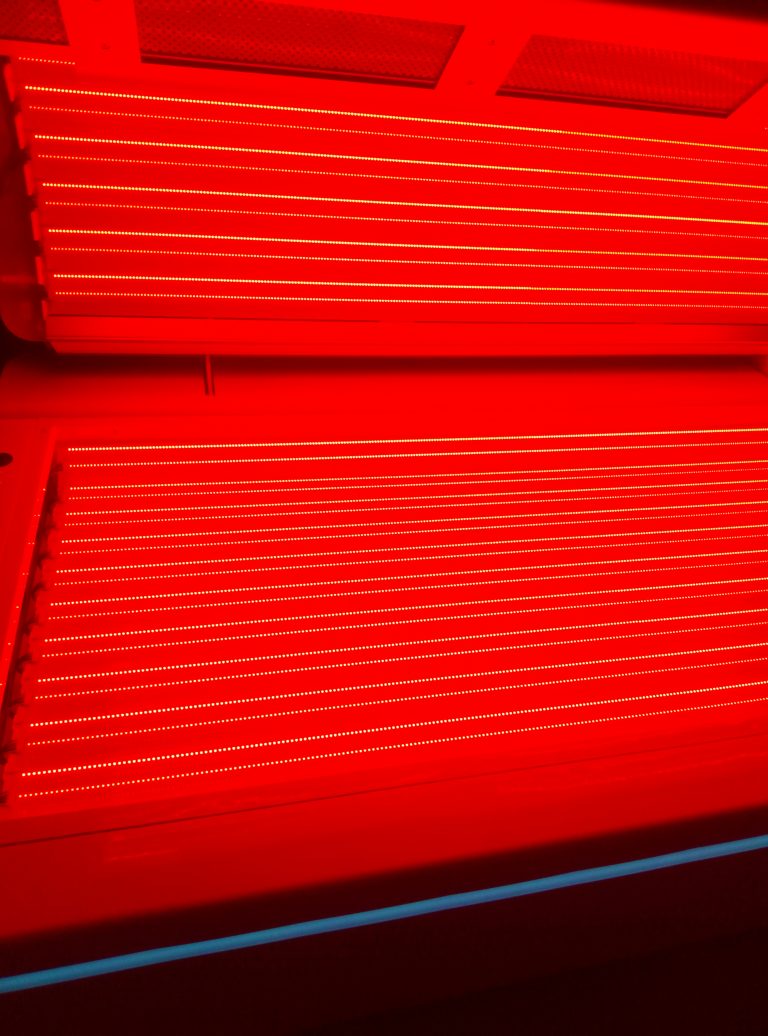
led light bed therapy promises consistent results, yet the hardware and user experience often betray that promise. I have seen units with poor LED array layouts that deliver uneven energy across the skin, and others where cheap power converters introduce flicker and inconsistent output. These are not minor quibbles: they affect dose, comfort and outcomes. Look, it’s simpler than you think — uniform irradiance, accurate wavelength control and thermal management matter more than a glossy casing. In my work I check for well-specified wavelength control (often narrow bands around 660 nm and 830 nm), robust heat sinks, and stable power delivery. If the manufacturer omits these details, I get sceptical — and rightly so.
Technically speaking, older designs tend to skimp on optical coupling and beam shaping, which means hotspots or cold zones on the treatment surface. The result: some areas get a therapeutic dose while others get almost nothing. Clinicians tell me that this inconsistency leads to variable patient outcomes and frustrated repeat visits. Another flaw is insufficient safety interlocks and poor user interfaces that confuse operators — devices may boast high radiant power but fail to deliver that power across the whole body. These are engineering trade-offs: you can push peak power with weak thermal design and short-lived components, or you can design for steady-state, repeatable performance. I prefer the latter. — funny how that works, right?
Why do common models disappoint?
Simply put: manufacturers chase headline specs rather than consistent delivery. When I evaluate a bed, I look beyond watts per panel to irradiance uniformity maps, power converter specs, and documented therapy protocols. If those are missing, the marketing numbers mean little to me.
Part 2 — New principles and where the field is heading
Going forward, the best systems focus on repeatability and measurable delivery. Modern designs apply modular LED arrays with calibrated channels, better optical coupling and real-time control so the device can maintain set irradiance despite temperature drift. In practice that means the bed’s controller monitors each LED zone and adjusts current via intelligent power converters to keep wavelength and intensity steady. I find this approach far more convincing than raw power claims. Also — and this matters — improved thermal design (larger heat sinks, forced air paths) reduces component stress and keeps long-term output stable. These engineering principles directly improve patient comfort and treatment consistency.
For anyone weighing upgrades, consider how the new principles translate to use. A well-designed system will include documented therapy protocols, clear user controls, and serviceable modules (replaceable LED boards rather than whole-unit swaps). This reduces downtime and keeps lifetime costs predictable. I like systems that provide simple irradiance reports after a session — they make comparisons transparent. In short: choose solutions built around measurement and control rather than flashy specs. led light bed therapy that follows these principles tends to deliver better, repeatable outcomes — and yes, that surprises many buyers at first.
What’s Next?
To close, here are three clear evaluation metrics I use and advise you to apply before purchase: (1) Irradiance uniformity — look for maps or test reports showing even distribution across the treatment surface; (2) Wavelength accuracy and stability — ensure the unit lists central wavelengths and tolerances, plus the power converter topology used to drive LEDs; (3) Thermal management and serviceability — check for robust heat sinks, cooling strategy, and whether LED modules can be replaced or recalibrated. These three metrics cover the core engineering trade-offs and make real-world comparisons possible.
I summarise these points from hands-on assessments and clinician feedback, and I do so because I want buyers to avoid the typical regrets I have seen. If you evaluate beds using the metrics above, you will make a clearer choice — fewer surprises, better outcomes. Finally, when you are ready to explore solutions built with these principles in mind, consider the offerings from Magique Power; their focus on measured delivery and modular design is what I look for in a modern red light bed.