
Introduction: A Day on the Job, Tomorrow
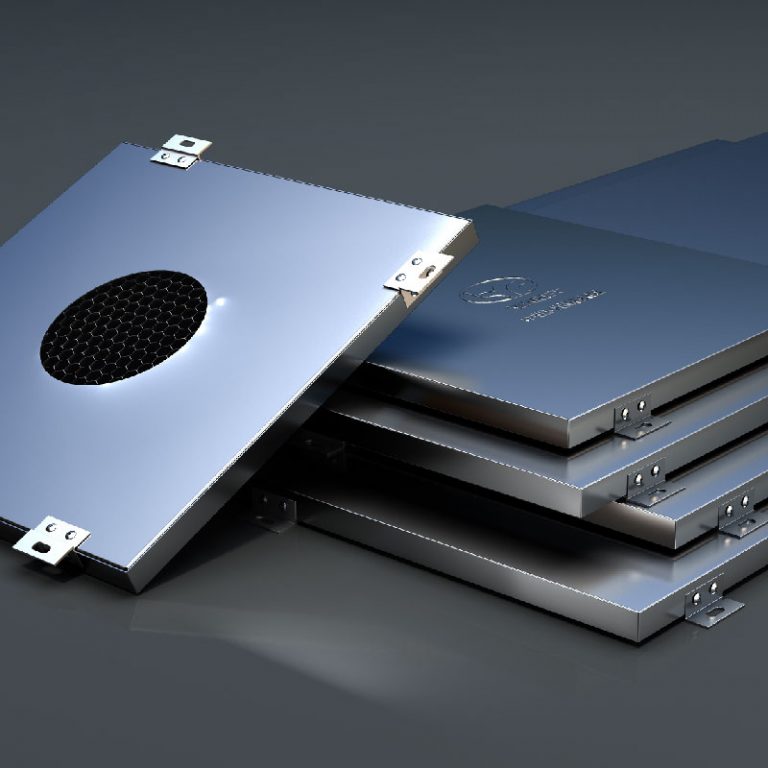
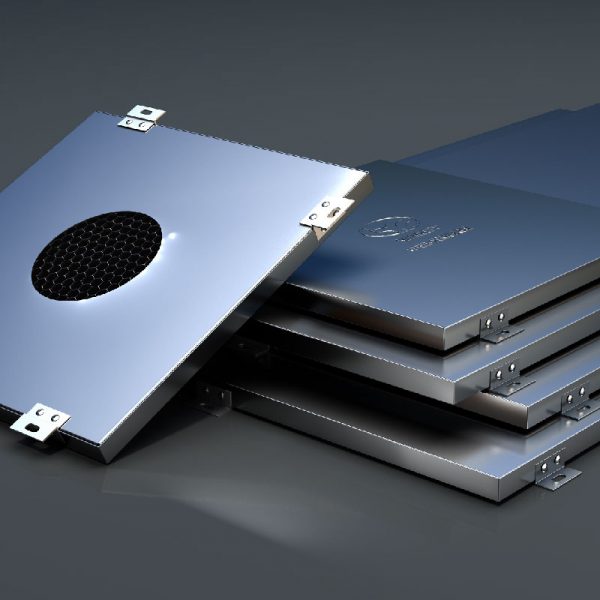
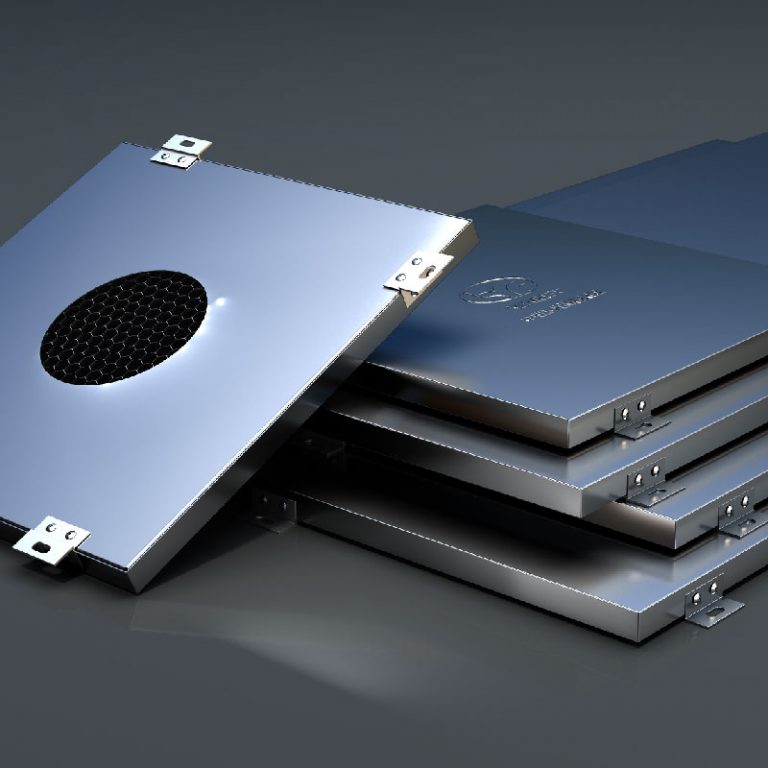
You step onto the site at dawn, and the schedule is already tight. Aluminum honeycomb panels line the staging area, stacked like quiet promises of speed and strength. Last quarter, 62% of project delays in your region were linked to rework from weight, warping, or misalignment issues—tiny snags that snowball into cost. So here’s the question: if the brief demands lighter loads, better flatness, and tighter fire specs, why keep betting on the same old panel stack?
Let’s talk in plain terms (but keep it sharp). A sandwich structure raises torsional rigidity while slashing dead weight. A high-quality PVDF coating improves weathering without bloating maintenance. The result is a panel set that installs fast, stays flat, and cuts callbacks. Yet many teams still default to heavier composites or solid sheets—because that’s how it’s always been done. But does that still fit the work you’ll be doing next year?
We’ll map the gaps in traditional choices, then compare what changes when you switch the core and the logic. Onward to the weak links.
Under the Surface: Where Legacy Panel Choices Fall Short
Where do legacy panels lose the plot?
Start with the basics. Traditional solid sheets and heavy composites add load to subframes and anchors. That extra mass increases thermal bridging and can trigger “oil canning” under solar gain. When you evaluate honeycomb panels aluminum, the test data often shows a higher modulus-to-weight ratio and better panel flatness across spans. Look, it’s simpler than you think: a tuned sandwich core spreads point loads, boosts shear modulus, and reduces deflection. That means fewer shims, fewer field fixes, and less strain on rainscreen clips—funny how that works, right?
There’s more. Heavier laminates can hide moisture traps around fasteners, raising the risk of galvanic creep over time. Thermal expansion mismatches add stress at joints and sealants. Many teams then overbuild the substructure “just in case,” which multiplies costs and complicates logistics. A honeycomb approach reduces dead load, trims hardware, and lowers crane time. The net effect is cleaner installs and steadier performance under wind load and temperature swing. And yes, long-term flatness improves visual quality and cuts warranty drama—the thing no one budgets for, but everyone feels.
Looking Ahead: Principles That Make the Upgrade Stick
What’s Next
Shift the lens forward. The core idea is engineering, not hype. In a honeycomb sandwich, thin aluminum skins handle tension and compression, while the hex core carries shear. This decouples bending from weight, delivering high stiffness with minimal mass. Adhesive systems are tuned for creep resistance and peel strength; coatings like PVDF or FEVE add UV stability without thick film build. Modern lines use precision bonding to keep cell geometry consistent, which improves buckling resistance across large modules. When teams adopt aluminum honeycomb core panels, they also adopt a different site rhythm—faster lifts, lighter carriers, fewer subframe revisions. It sounds small, but it compounds across trades (and across weeks).
Compared with older builds, you get better torsional rigidity at equal thickness, tighter tolerances at edges, and more predictable behavior under cyclic wind. That steadiness supports façade system integrity and reduces anchor fatigue. Even acoustics improve with the right perforation and backing layer. It’s not magic—just physics and process control. And that matters. The takeaway: when weight, lifespan, and flatness sit at the top of your brief, a honeycomb configuration realigns the math in your favor—on paper and on the hoist.
To choose well, keep your focus on three metrics that don’t lie. 1) Stiffness-to-weight ratio across your target span, verified by third-party load/deflection curves. 2) Long-term flatness under thermal cycling, validated by mock-up data and on-site scan reports. 3) Fire and corrosion performance at the system level (panel, subframe, fixings), not just component labels. Nail those, and the rest tends to follow—funny how that works, right? For deeper specs and product paths, see yaret.