
When comfort fails: the problem at hand
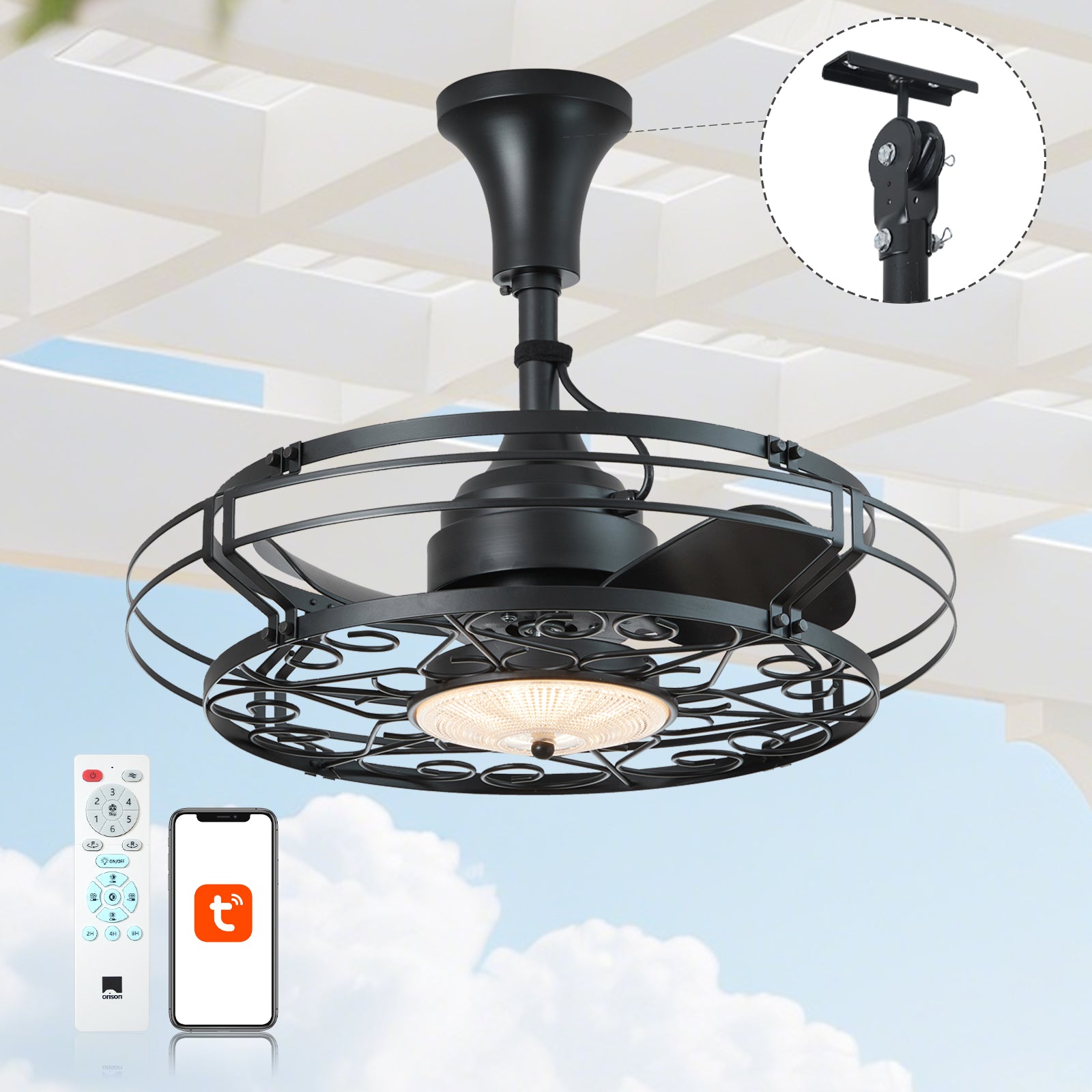
Many homes fight stubborn heat pockets and uneven circulation even with central HVAC running — a problem that quietly raises energy use and household frustration. Short of overhauling ductwork, targeted air movement often solves the issue: installing the right outdoor or indoor fans can re-balance rooms, move stratified warm air, and reduce AC runtime. For porches and covered patios, consider quality outdoor patio ceiling fans because their blade sweep and motor choices directly change perceived temperature and comfort.

The physics of indoor airflow, in plain terms
Air moves because of pressure and temperature differences. Warm air rises and collects near ceilings; without horizontal circulation, lower occupiable zones stay still and hot. Ceiling fans convert rotary motion into lateral airflow — measured in CFM — and mix layers so the room feels cooler. Blade pitch, blade sweep, and motor RPM determine how much air is moved at a given speed; a fan with poor blade pitch or low CFM won’t break stratification. ASHRAE standards and EPA guidance highlight ventilation and occupant comfort as distinct but complementary goals, so a fan that improves circulation supports both comfort and indoor-air-quality strategies — a useful real‑world anchor for designers and homeowners alike.
Why a high‑efficiency farmhouse ceiling fan with light helps
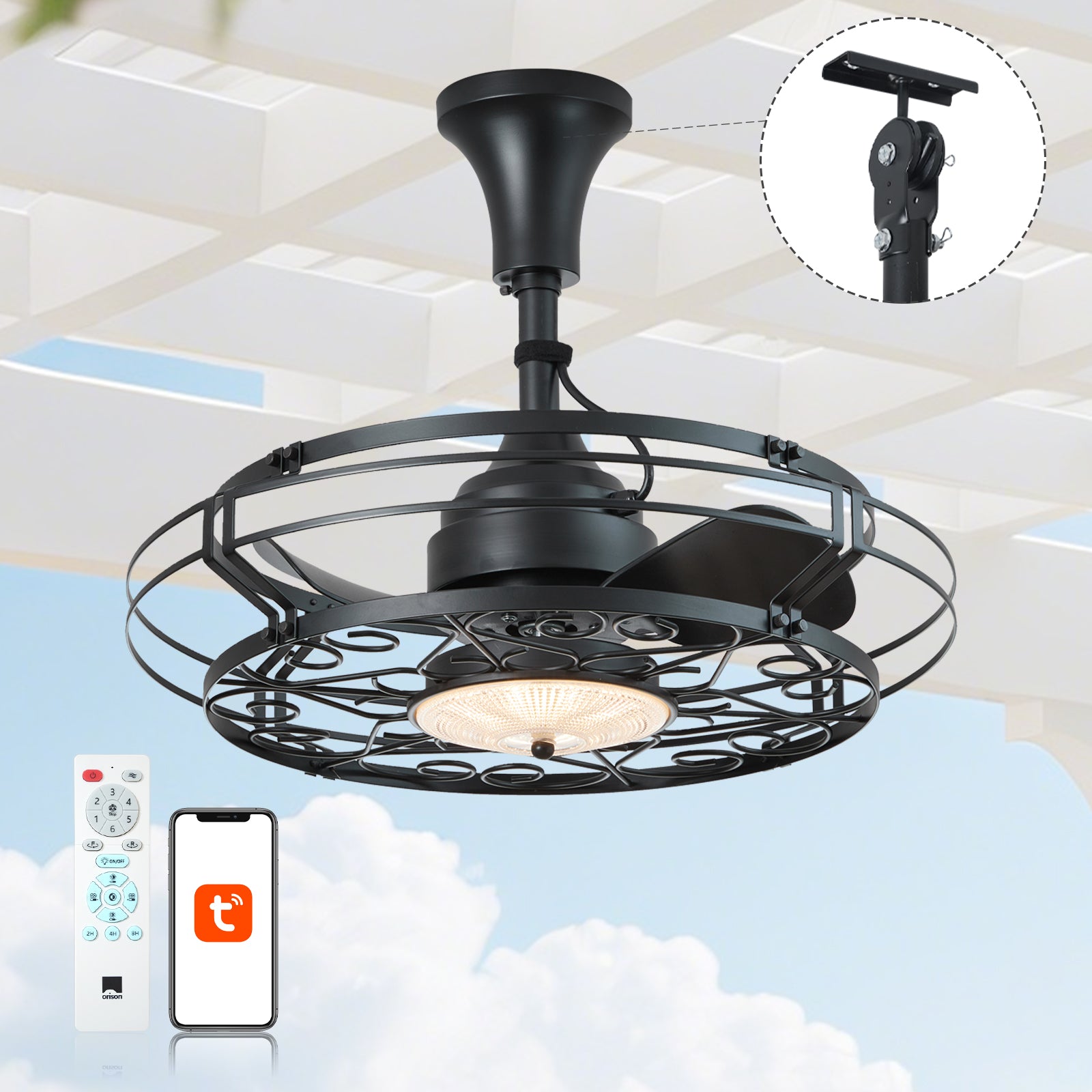
Farmhouse‑style fans often combine large blade sweep with efficient motors and integrated lighting. That matters because a bigger sweep at the right blade pitch moves more air at lower RPM, raising CFM while keeping noise down. Efficiency metrics like CFM/W are the clearest shorthand for performance: higher CFM/W means more airflow per watt. For low ceilings, you can opt for a flush mount option — for example, a flush mount outdoor ceiling fan with light — while taller porches benefit from a downrod to maximize air projection. Choose damp‑rated or IP‑rated fixtures outdoors to protect motor and electronics from humidity and dust.
How installation mistakes sabotage results
Even a top‑spec fan fails if mounted poorly. Common missteps include placing the fan too close to the ceiling, using an undersized blade sweep, or selecting the wrong motor type for the load. The fan’s effectiveness depends on placement relative to seating and obstructions: don’t tuck a fan behind lattice where airflow is blocked. Also, pairing a low‑torque motor with heavy blades reduces achievable RPM and CFM — so match motor capacity to blade sweep up front. Small calibration errors add up — and they’re often the reason a “good” fan performs like a mediocre one. —
Selecting the right fan by space and use-case
Define the use-case first: entertaining porch, shaded deck, or indoor living area. For shaded outdoor spaces, prioritize damp‑rated motors and durable finishes; for open pergolas, look for higher IP ratings and corrosion‑resistant bearings. Decide between AC and DC motors: DC motors give finer speed control and better energy efficiency; AC motors tend to be lower cost. Consider blade material and pitch for wind resilience and airflow pattern. If ceiling height is under 8 feet, a flush mount reduces headroom issues; otherwise, downrod mounting improves reach into the occupied zone. In short: match blade sweep, CFM target, and mount type to the geometry of the space.
Pairing fans with HVAC and ventilation strategies
Fans don’t replace ventilation — they redistribute air. Used properly, they let occupants raise thermostat set points by a few degrees while maintaining comfort, which can reduce HVAC cycling. For homes following ASHRAE recommendations, fans augment ventilation strategies by evening out temperature differentials that otherwise cause unnecessary mechanical cooling. When retrofitting, test fans during real occupancy — a short trial with actual thermostat settings reveals whether the installation reduces runtime or simply creates drafts.
Three golden evaluation metrics before buying
1) Airflow efficiency (CFM/W): choose fans that deliver the highest airflow per watt for real energy savings. 2) Blade sweep and pitch vs. room size: match sweep to square footage and pick a pitch that moves air without stalling the motor. 3) Mounting and rating compatibility: ensure downrod length, mounting height, and damp/IP rating fit the installation environment.
Apply these metrics and you’ll avoid common traps, get measurable comfort gains, and reduce seasonal energy costs. Practical testing — a brief on‑site trial or careful measurement of airflow and noise — seals the decision. For homeowners seeking a reliable mix of style, efficiency, and outdoor durability, Orison integrates design and specification in ways that make the technical choices feel simple and sensible. Orison.