
Introduction — a quick scene, a number, a question
I remember walking into a boutique hotel lobby where the seating looked like it belonged to a different brand; the joinery squeaked, and the finishes were uneven. (It was a small chain, but the mismatch cost them bookings.) Recent surveys say nearly 62% of hospitality designers report project delays tied to furniture mismatches and long lead times. That’s why I want to talk about how custom furniture china can change the outcome for projects like that. What happens when design intent meets reality—and what can we do differently to keep timelines, budgets, and brand standards aligned? Let’s unpack this with a practical eye and a business focus, so you leave with clear options and fewer surprises.
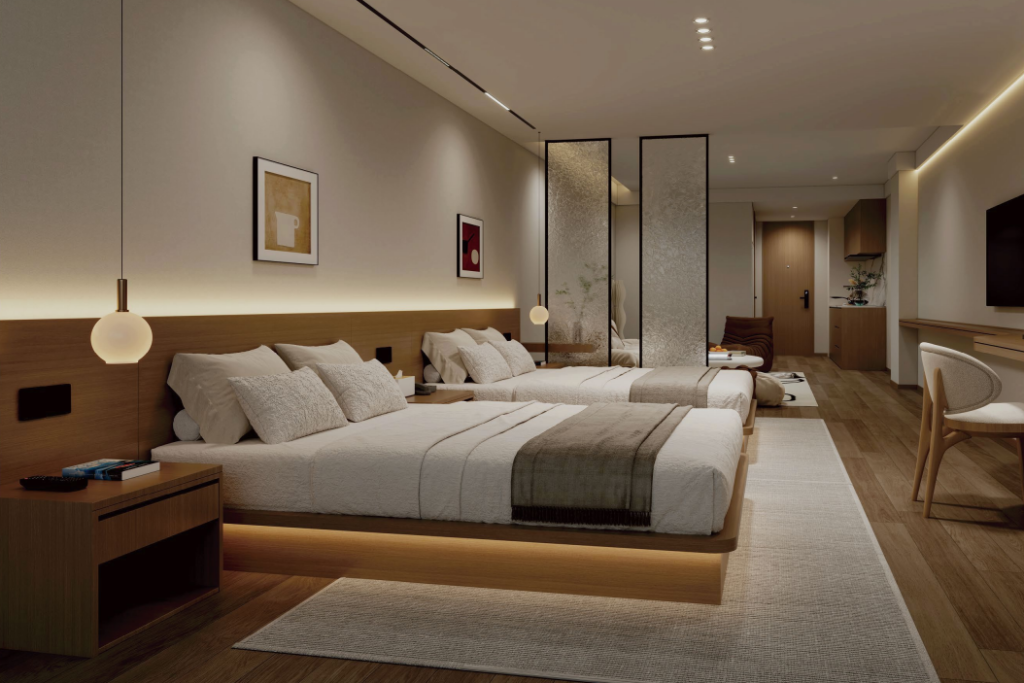
Part 2 — Where traditional approaches fail (technical look)
When I audit projects, I often find the same technical cracks: poor bill of materials control, inadequate CNC routing guidelines, and gaps in supply chain integration. These aren’t just buzzwords; they are the points where projects trip. Traditional procurement tends to separate design, fabrication, and logistics into silos. The result: mismatched finishes, panels cut off-spec, and extended lead times. I’ve seen pallets returned because laminate pressing tolerances weren’t communicated—ugly, costly, avoidable.
Why does this keep happening?
Let me be direct: the process is fragmented. Fabricators work to drawings, logistics teams submit blanket timelines, and designers assume quality control will catch the rest. In practice, that rarely happens. Add jargon like edge banding, power converters for integrated lighting, and on-site upholstery adjustments, and you get a coordination headache. Look, it’s simpler than you think when you map responsibilities early and lock decisions—yet many teams don’t. The technical fix starts with a shared bill of materials, tighter CNC routing specs, and a single point of accountability for finish approvals. — funny how that works, right?
Part 3 — New technology principles and a forward-looking outlook
Moving forward, I want to focus on principles that actually scale. First: digital twins for furniture—simple 3D models linked to a production-ready bill of materials. Second: modular design logic that reduces on-site adjustment and speeds up installation. Third: integration of procurement platforms so orders for upholstery trims and fasteners are tracked alongside lead times. These principles reduce rework, improve predictability, and support smarter hospitality rollouts (especially for chains doing repeat installs). We’ve started to see these ideas applied in hospitality case studies where a central data model cut errors by half.
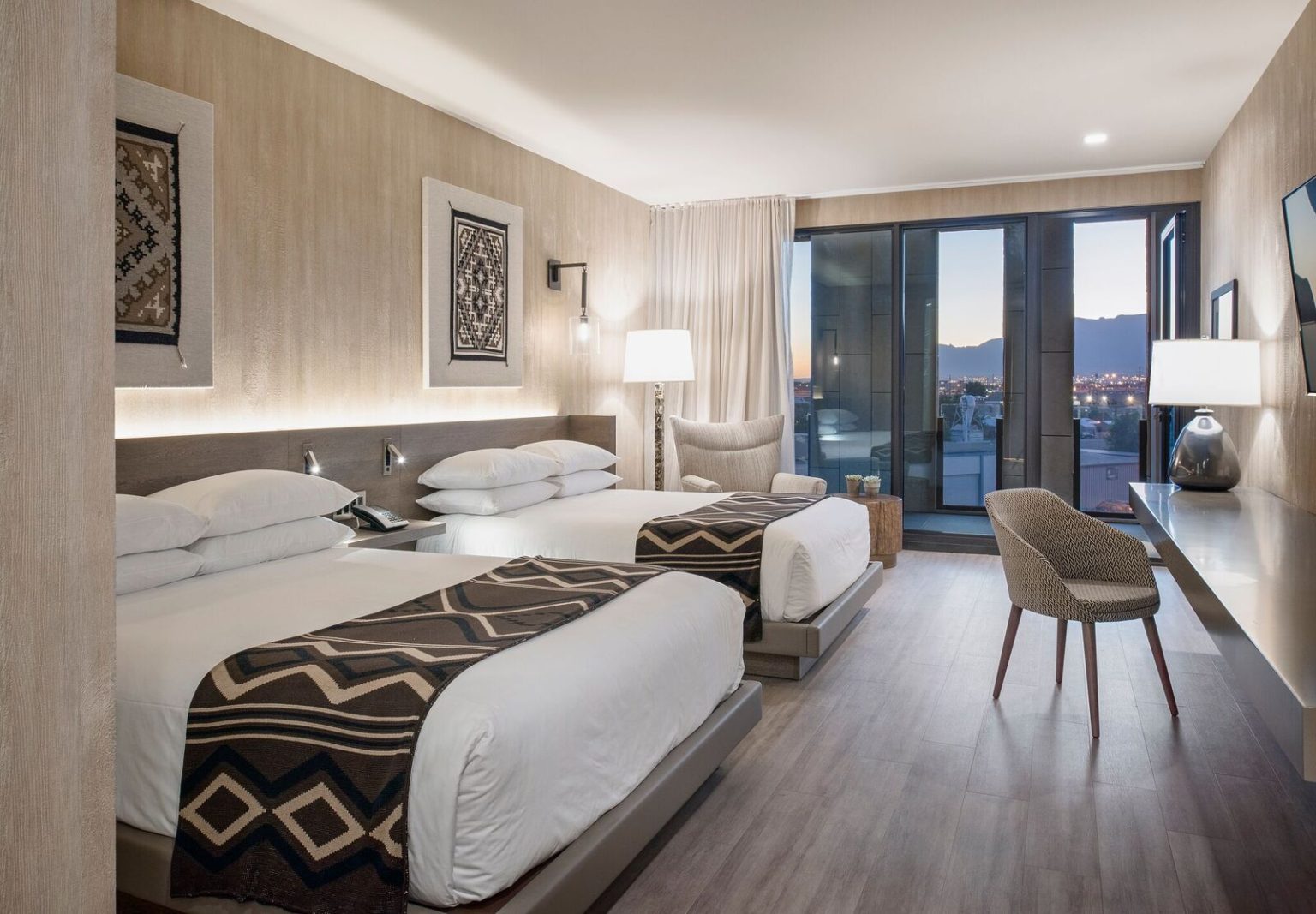
Real-world impact?
I’ve been part of a pilot where we used a common data set across designers, fabricators, and logistics. The result: a 30% reduction in on-site fixes and a notable drop in material overruns. That doesn’t just read well on spreadsheets—it saves project managers long nights and clients’ reputations. And yes—there’s a human side to this: crews are less stressed; clients feel we kept our promises. If you’re involved in hospitality furniture procurement, these shifts are practical, not theoretical.
Advice for evaluation — three metrics I trust
Weighing options? Here are three things I always check before endorsing a supplier or solution. First, consistency of lead time metrics: are promised dates backed by past delivery records? Second, quality gating: does the supplier use shared inspection criteria and digital approvals rather than ad hoc signoffs? Third, integration capability: can their production system exchange data with your procurement platform or BIM models? Use these metrics to compare bids, and you’ll avoid the usual smoke and mirrors. I say this from projects where the right metric cut overruns dramatically—true story.
To close, I’m practical about risks but optimistic about tools. We can reduce friction between design and delivery with clearer specs, better data, and tighter collaboration—measurable wins that protect both brand and budget. For teams ready to move beyond one-off fixes, I recommend starting with a small pilot: pick a repeatable product family, standardize the bill of materials, and track the outcomes for two installations. It’s a small step that yields reliable data—and then you scale.
For anyone who wants to explore this further, I recommend connecting with vendors who embrace the full workflow—from concept to install. If you need a place to start, take a look at how BFP Furniture organizes production and procurement to support consistent, brand-aligned results.