
Introduction — A Short Morning Story
I was late for a meeting last week and pulled up to a busy curbside charger only to find a line of cars idling. The ev power charging station I chose showed “available” on the app, but the cable was tangled and the screen froze (yes, in 2025). Industry surveys show growing demand for public chargers and rising frustration over time spent waiting rather than driving. So where does all that time go, and what does it cost drivers and operators in real terms? As a product manager who works with charge management tools, I ask this because small fixes often unlock big gains — and I want us to focus on real use, not just specs. This piece walks through a user-first view, exposing where drivers lose time and trust, then points to practical fixes and the metrics I use to judge them. Let’s dig in — and keep it practical.
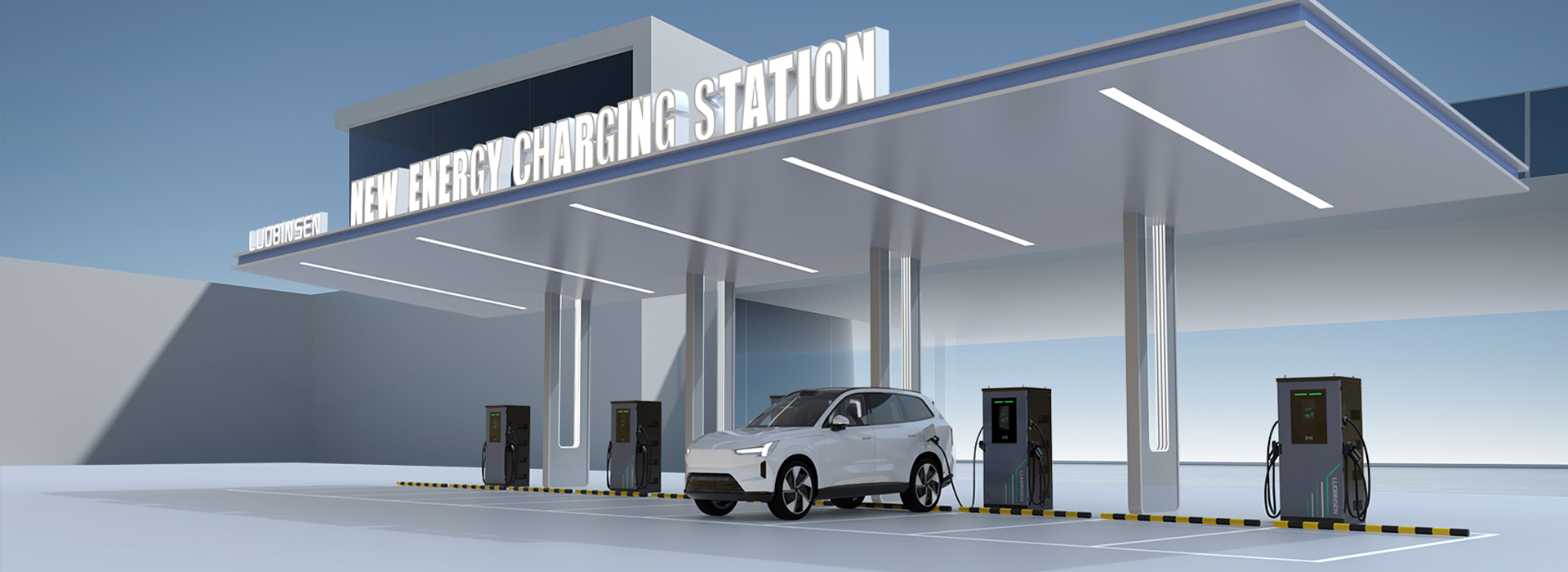
Hidden Pain Points Drivers Face at Electric Car Power Stations
When I say “hidden,” I mean things you don’t notice until you’re stuck. The electric car power station sounds simple: plug in, pay, go. But the reality is messier. Apps claim real-time status, yet chargers report stale data. Connectors fail, payments timeout, and pricing surprises pop up at checkout. For drivers this looks like wasted minutes that become missed meetings. For operators, it looks like churn and negative reviews. I’ve seen three recurring issues: unreliable status feeds, inconsistent power delivery from DC fast chargers, and opaque pricing models that confuse users. Each of these ties back to technical gaps like poor load balancing, outdated power converters, or a lack of edge computing nodes to manage local decisions.
What’s the core user complaint?
We hear drivers say: “The map lied.” They mean the map’s data was old. That breaks trust fast. Look, it’s simpler than you think — real-time matters more than raw speed. If a charger reports 150 kW but can only sustain 50 kW under strain, the driver loses time and confidence. Another annoyance: tethered versus untethered cables and differing plug standards. Those minutes add up. From my perspective, improving observability (logs, telemetry), tightening charge management, and setting honest expectations are low-hanging fruit. Operators who fix these see better utilization without massive hardware swaps.
What’s Next — Future Outlook and Practical Steps for Better EV Charging
Looking forward, I see realistic wins from combining software with smarter hardware. Case examples matter: a city pilot I advised layered local edge computing nodes with predictive scheduling and saw session wait times drop. The idea is to move decisions closer to the charger so the system adapts fast to local load and solar input. New principles include: dynamic load balancing, better integration with the smart grid, and clearer user signals on charging speed. These principles don’t require perfect hardware everywhere — they require better orchestration. And yes, costs matter. We balance investment in power converters and solid-state relays against software-driven efficiency gains — it pays off when uptime and throughput improve.

Real-world Impact — What to expect
Here’s how I recommend teams prioritize: first, improve telemetry so maps tell the truth. Second, adopt local decision nodes (edge computing) to react to congestion. Third, standardize pricing and session handoffs so users aren’t surprised. Well, here’s the kicker — drivers value predictability more than peak speed. — funny how that works, right? Implementing these steps reduces idle time and raises customer satisfaction. For planners, that translates to clearer ROI models and happier communities.
Three Key Metrics I Use to Evaluate EV Charging Solutions
I always finish with numbers. If you’re choosing an ev charging solution, measure these three things: 1) Time-to-charge completion under real conditions (not lab specs) — this shows real throughput. 2) Mean time between failures for connectors and payment systems — downtime is the silent killer of trust. 3) Accuracy of real-time status (percent of reported vs. actual availability) — if the map lies, users leave. Together these metrics tell a story about user experience and operational health. They also help prioritize whether you fix software, upgrade power converters, or add edge computing nodes.
I’m convinced we can make public charging feel like fueling used to feel: quick, predictable, and forgettable. I’ve worked through the rough edges with teams, and I feel optimistic — because many fixes are behavioral and technical, but not impossible. If you want a partner who’s pragmatic and user-focused, check out Luobisnen.