
From Clear Skies to Sudden Showers: What Truly Decides the Show?
Have you ever noticed how the most memorable outdoor shows are the ones that look effortless—and yet survive the worst weather? Festival laser lights stand at the center of that illusion, cutting through mist and noise as if nature had agreed to pause. Field reports from touring crews often cite that a significant share of performance disruptions trace back to water ingress and heat—two quiet forces that never buy a ticket. So the real question becomes this: when the wind shifts, the rain arrives, and the temperature dives, what actually keeps the light on and the beam sharp?
We should be candid. Reliability is not a single gasket or a lucky night; it is a system of choices (materials, power, airflow) meeting outdoor chaos. It is also a diplomatic pact between optics, electronics, and enclosure design. A unit earns trust when its tolerances and safeguards hold, not when promises do. And if we want safer shows with fewer scrambles, we must understand the difference between waterproofing as a label and protection as a practice. Let’s move from appearances to mechanisms—step by step.
The Deeper Flaw: Why “Waterproof” Often Fails in the Real World
Where do common fixes fall short?
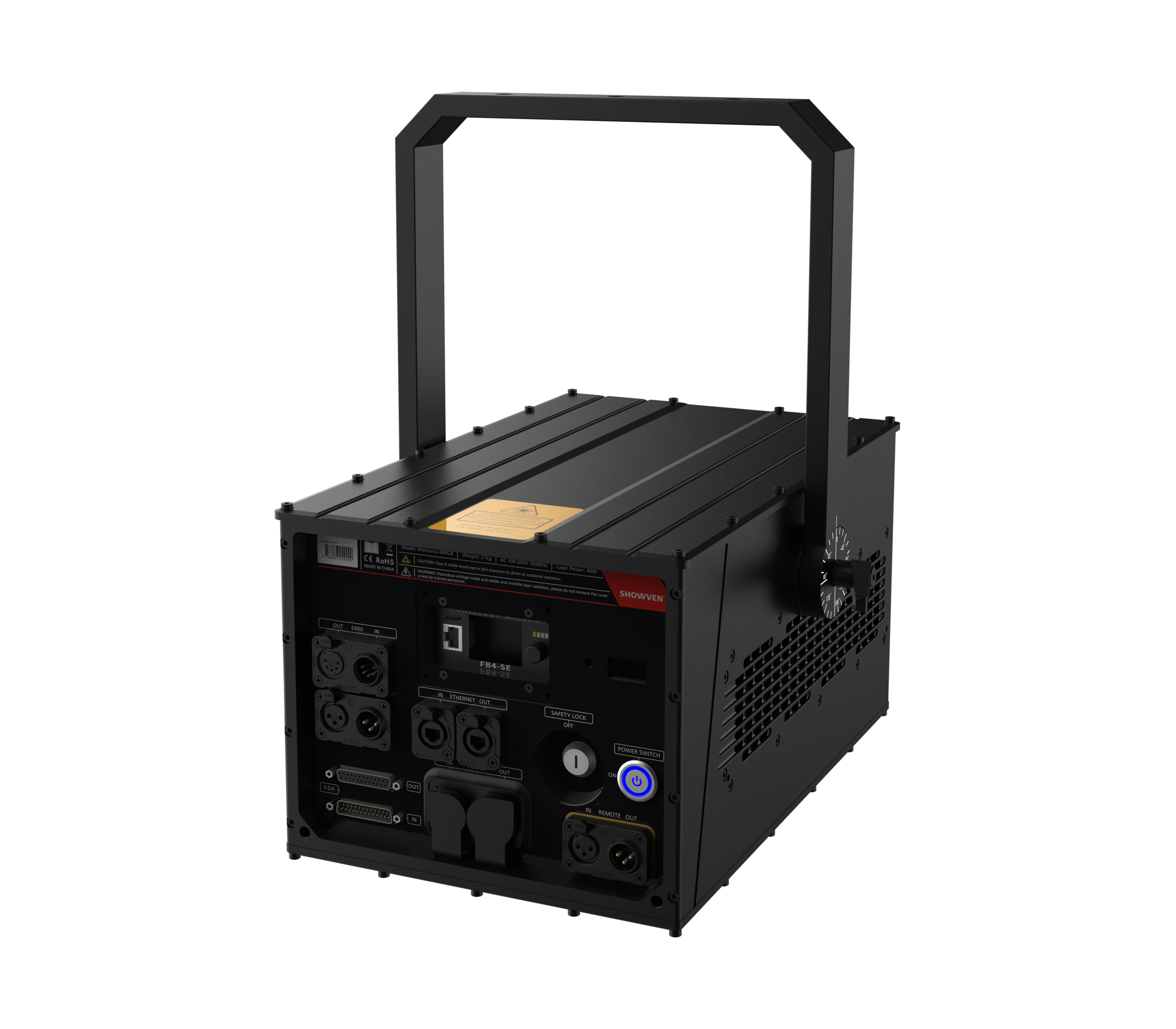
Too many rigs rely on a single idea: make it tight, call it a day. But sealing alone is not protection. Specifying laser light waterproof performance means balancing ingress control with heat and pressure management. IP65 or IP67 gaskets stop spray, yes—but they also trap heat if you don’t plan for it. When power converters ramp under a dense cue stack, internal temperatures rise, optics shift, and beam divergence drifts. Without proper heat sinks and a smart airflow path, moisture may stay out while failures creep in from within—funny how that works, right?
And then there’s the hidden electrical layer. Fans that gulp “fresh air” can pull humid mist; desiccant packs saturate in hours during a cold front; and poor galvanic isolation runs noise through control lines, spiking faults downstream. Look, it’s simpler than you think: waterproofing is a system budget. You must allocate for ingress, thermal load, and pressure equalization together. Otherwise, condensation forms on optics when temperatures snap, coatings craze, and alignment drifts under vibration. The result is not just a dead show—it’s a slow degradation that technicians chase night after night, from DMX glitches to unstable scanners, even when the weather seems fine.
Looking Ahead: Smarter Protection Without the Trade‑offs
What’s Next
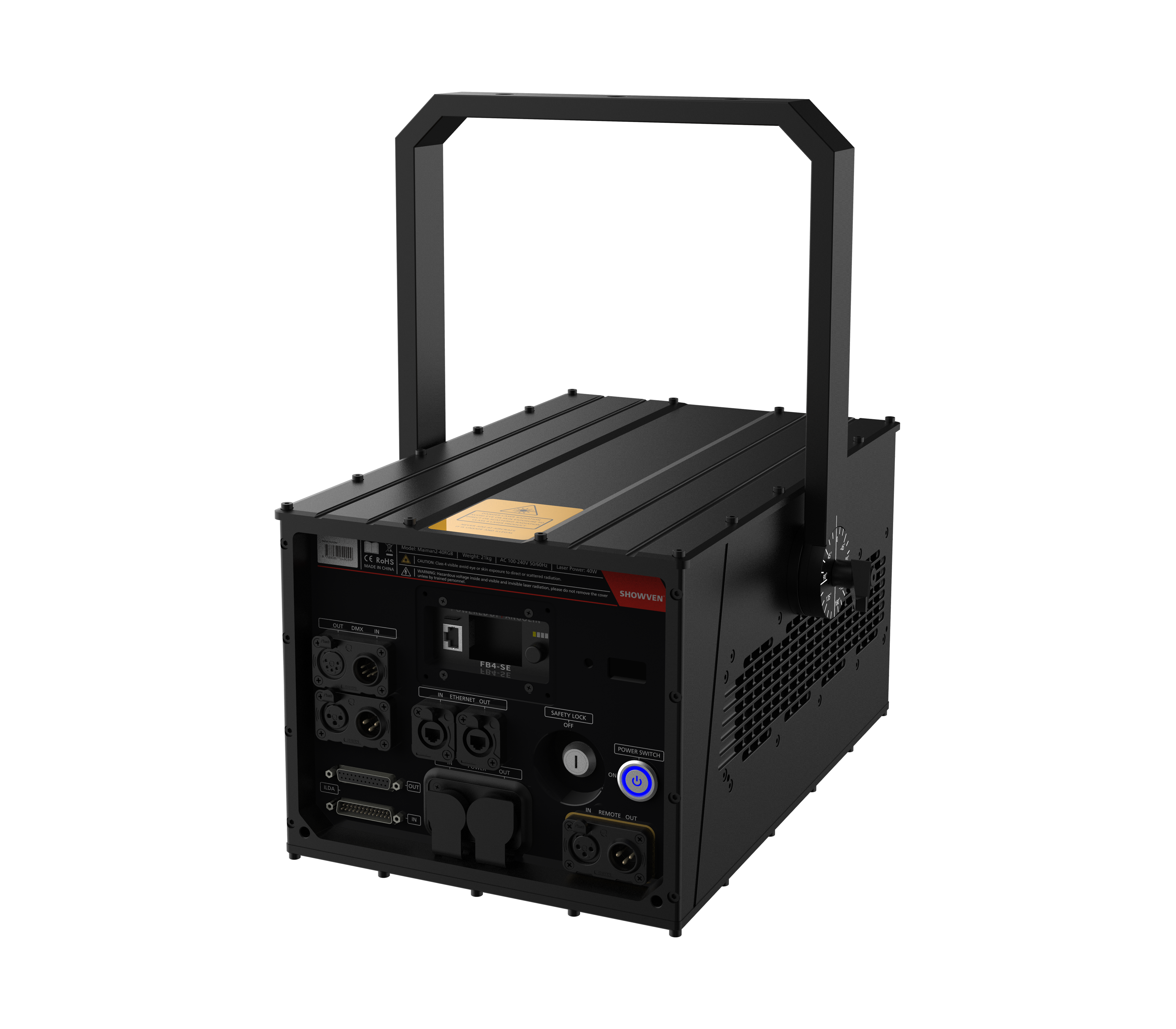
The new playbook focuses on principles, not patches. Modern housings use pressure equalization valves that breathe without flooding, paired with conformal coating on boards so micro‑condensation cannot short critical traces. Thermals are treated as a first-class constraint: edge computing nodes can pre-optimize patterns and reduce peak load, while thermoelectric coolers (TEC) or tuned fan curves hold optics near a stable temperature band. Compared to older designs that over-seal and overheat, a well-engineered waterproof laser light projector distributes risk: it keeps water out, stabilizes heat, and preserves optical alignment under gusts and shock. Different methods—same goal—resilience you can forecast.
Real progress shows up in the details. Pressure, temperature, and humidity sensors now feed microcontrollers that adjust duty cycles before stress accumulates. Beam quality stays consistent because the optical bench is isolated from hot zones, and the enclosure’s derating curve is published, not guessed. This is where comparisons matter: an IP rating tells you about ingress at a moment in time; a thermal budget tells you whether that rating still holds after a full cue sheet at 90% output. So, how should you choose? Advisory mode on: first, verify ingress and optics together—ask for IP plus a fog/condensation test, with beam stability data over time. Second, demand a clear thermal plan—heatsink area, active cooling behavior, and a documented derating curve. Third, check service intelligence—field-replaceable seals, logged fault codes, and sensor readouts that guide techs under pressure. With those three metrics, you can compare designs on shared ground—and keep the show on, even when the sky turns. For further technical reading, see Showven Laser.