
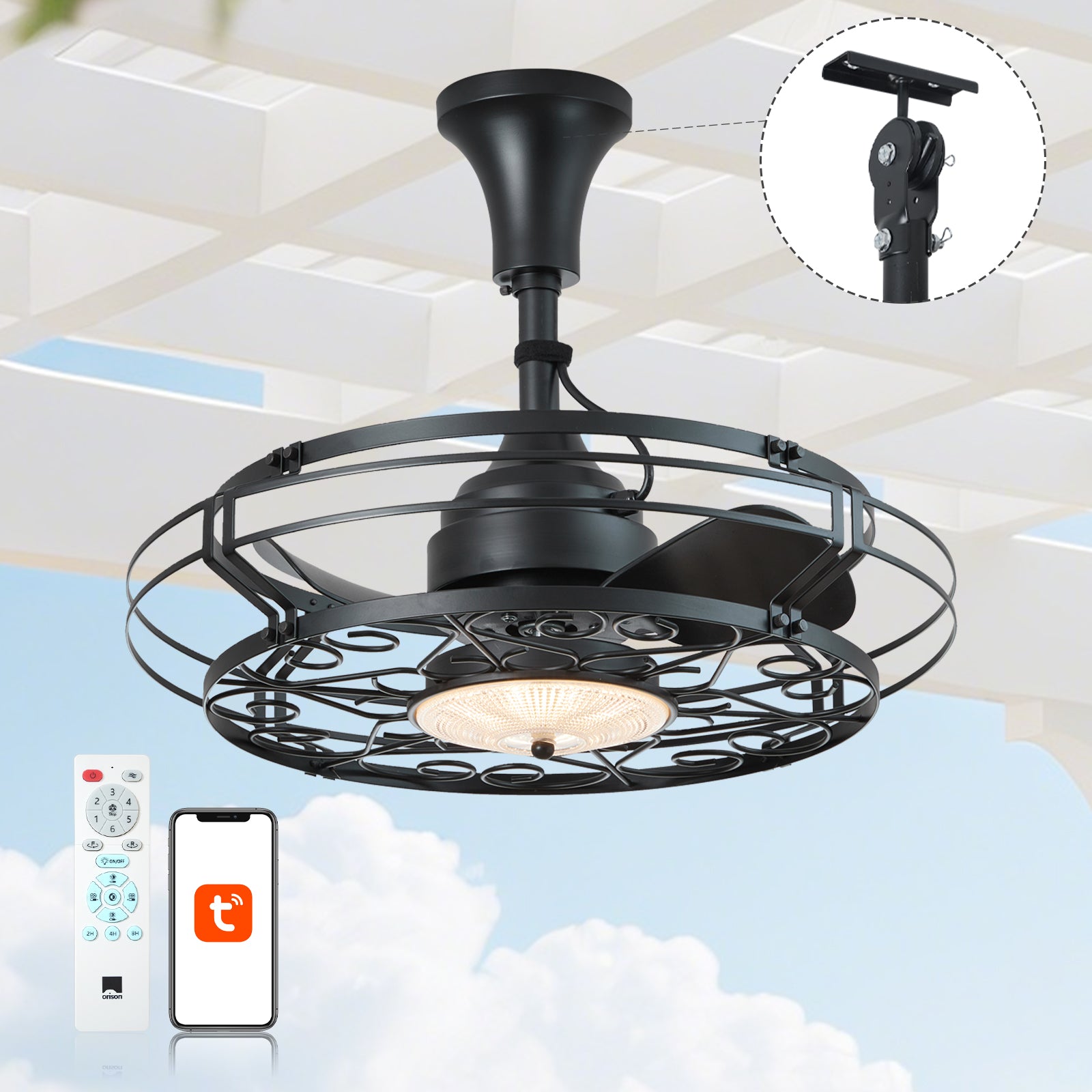
The problem: hum, vibration, and disappointed guests
Motor hum and vibration from oscillating fans ruin comfort, rattle fixtures, and shorten equipment life. Brands and installers hear the same complaints from patios and gazebos: a steady drone at low speed, wobble at mid-range, or a creak when the head swings. When outdoor spaces rely on mechanical cooling, upgrading to modern outdoor patio ceiling fans or an outdoor fan with light for gazebo is often the fastest remedy — but only if the root causes are understood and addressed.
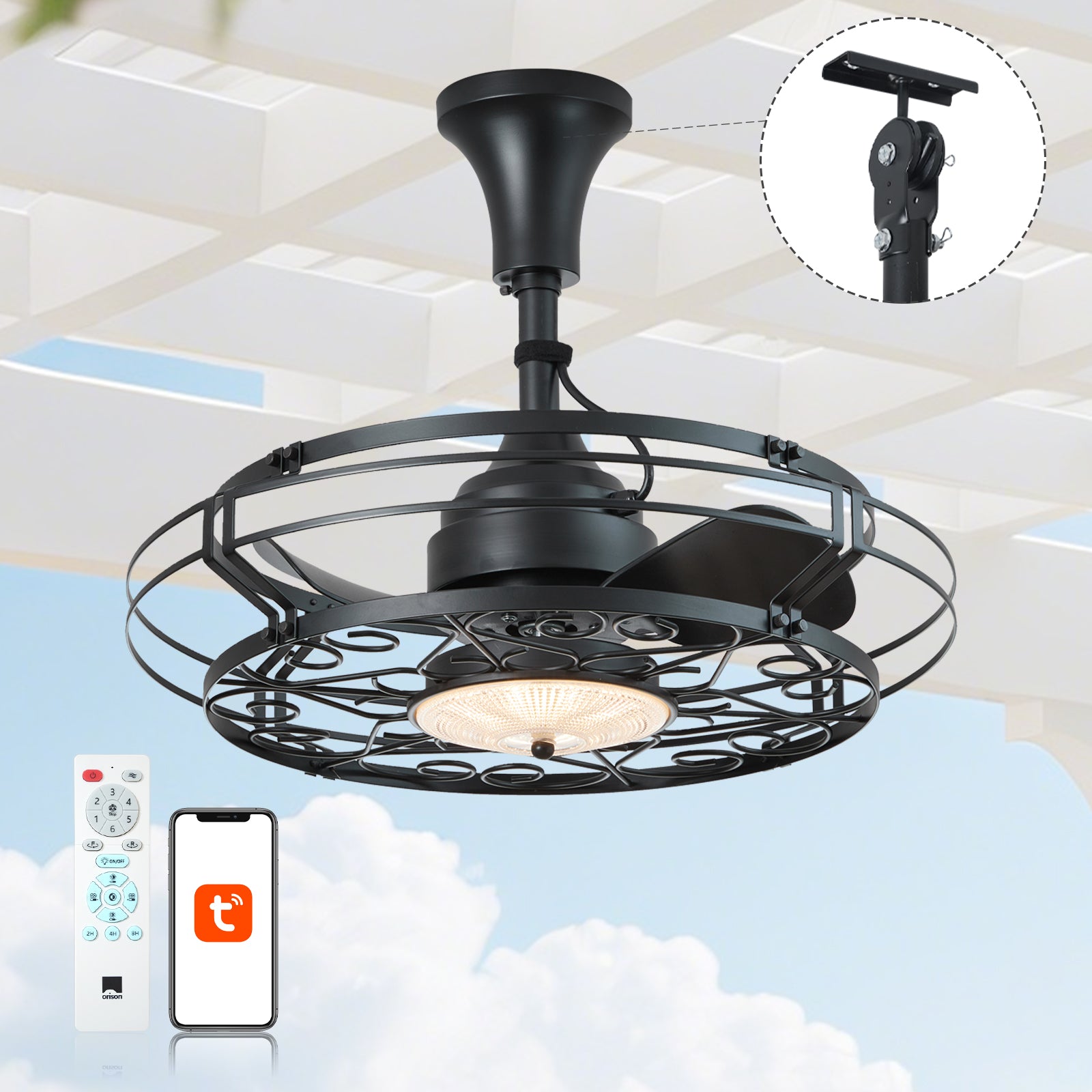
Root causes explained, in practical terms
Hum and vibration originate from a handful of mechanical and electrical issues. Imbalanced blades, loose fasteners, worn motor bearings, and poor damping at the mount create mechanical resonance. Electrically, inefficient controllers and poorly filtered power introduce low-frequency hum into the motor windings. Blade pitch and RPM interact with oscillation frequency to amplify noise at certain speeds. Diagnosing the cause requires a methodical check of balance, torque, and electrical stability before swapping parts.
Factory-direct fixes that matter
Factory-direct designs let manufacturers control tolerances and test endurance across full production runs. Key engineering fixes include precision-balanced blades, sealed ball bearings sized for oscillating loads, tighter shaft tolerances to reduce runout, and integrated damping mounts that isolate the motor assembly from the canopy. Quality control at the factory also lets teams validate CFM performance while monitoring vibration spectra. The net effect: fewer field returns and quieter operation under real-world loads.
How the remote contributes to quiet operation
Remotes do more than convenience — they change how the motor is driven. Modern remotes use electronic speed control with soft-start and PWM filtering to keep motor currents smooth. That reduces magnetic hum and prevents abrupt torque jumps when oscillation starts or stops. In practice, a well-configured remote lowers audible hum at low speeds and yields more consistent RPM across the full range.
Installation practices that prevent problems
Even the best factory design fails if installation is sloppy. Use the right canopy plate and torque to spec, verify that the joist or beam can handle the dynamic load, and keep wiring runs short with good grounding to limit electrical noise. Balance blades in situ — small corrections at the clamp often remove perceptible wobble. And run the fan through its full oscillation cycle during commissioning to spot intermittent rub or resonance.
Common mistakes and quick diagnostics
Technicians often skip three quick checks that catch most issues: blade balance, mounting stiffness, and controller noise. A simple handheld tachometer or smartphone app can reveal irregular RPM linked to hum. Swap the remote or test direct-line control to see if the issue is electronic. If vibration shows up only during oscillation, inspect the oscillation gear and linkage for wear — those small parts matter. —
Comparing solutions: what to look for when you buy
Not all silent fans are equal. Prioritize: 1) validated vibration specs (measured in mm/s or g at specified RPM), 2) motor design (sealed bearings and low cogging torque), and 3) controller type (PWM with filtering versus legacy triac dimming). Consider blade design and blade pitch for the target airflow — higher CFM often requires stiffer mounts to control vibration. For outdoor installs, confirm IP-rated housings and corrosion-resistant fasteners; exposure changes the failure mode.
Real-world anchor: energy and usage context
Cooling makes up a meaningful slice of energy use in many climates — the U.S. Energy Information Administration reports that space cooling is a significant contributor to residential electricity demand. That matters because noisy, inefficient fans get run longer and at higher speeds, increasing wear and operating cost. A quiet, efficient fan reduces run-time and user intervention — so the return on a factory-direct, well-engineered unit shows up both in comfort and lifecycle cost.
Three golden rules for choosing quiet oscillating fans
1) Demand measured vibration data and an on-site balancing procedure. 2) Specify electronic speed control with PWM filtering or equivalent to eliminate electrical hum. 3) Design the mount and canopy to isolate oscillation forces — treat the mounting point as a dynamic system. These three metrics separate durable, quiet units from nominally quiet samples that fail in months.
When those rules guide procurement and installation, you get quiet airflow that lasts. For practical projects that connect product engineering to real installations, Orison fits the profile — engineered components, verified testing, and field-aware design. —