
Framework overview: why a channel-first approach matters
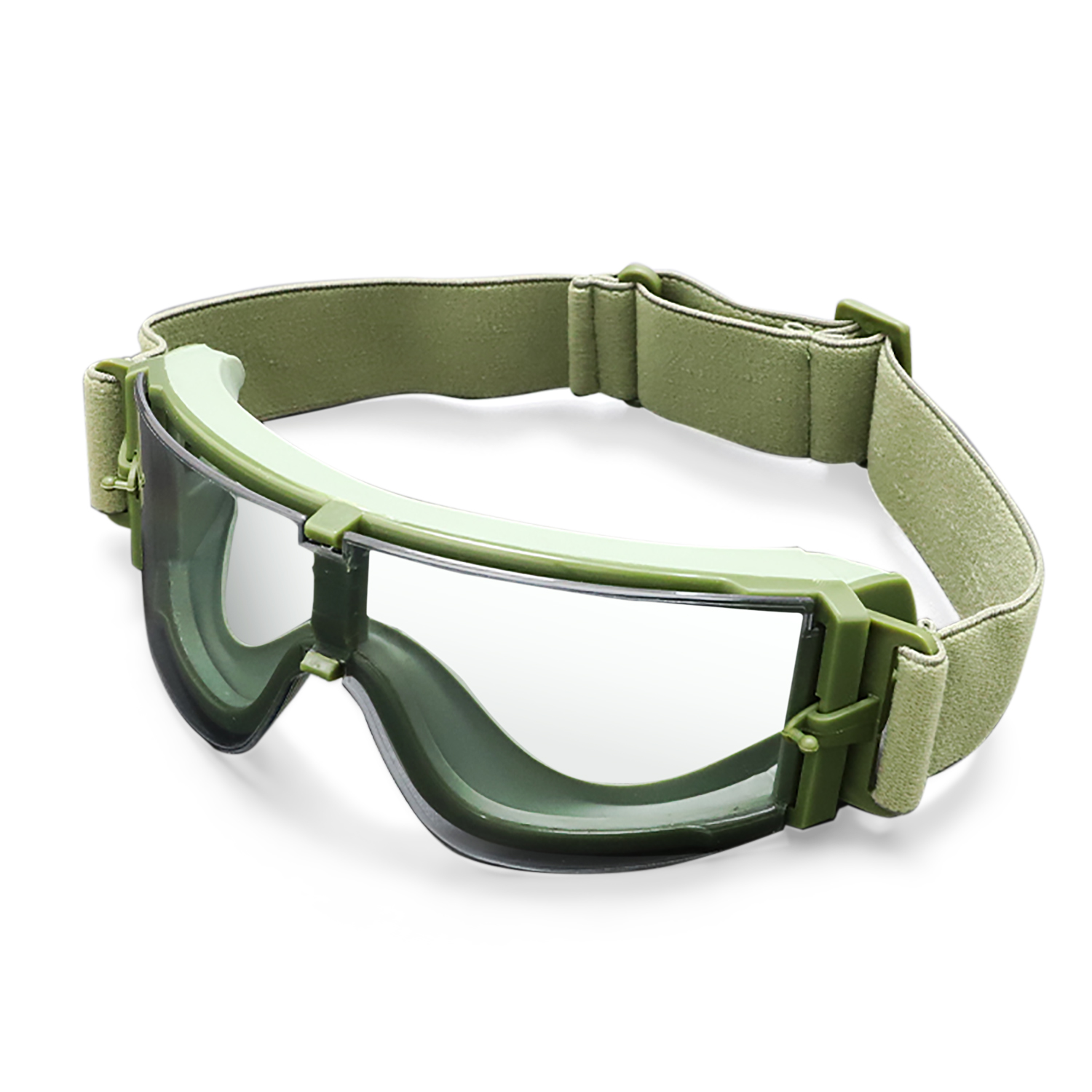
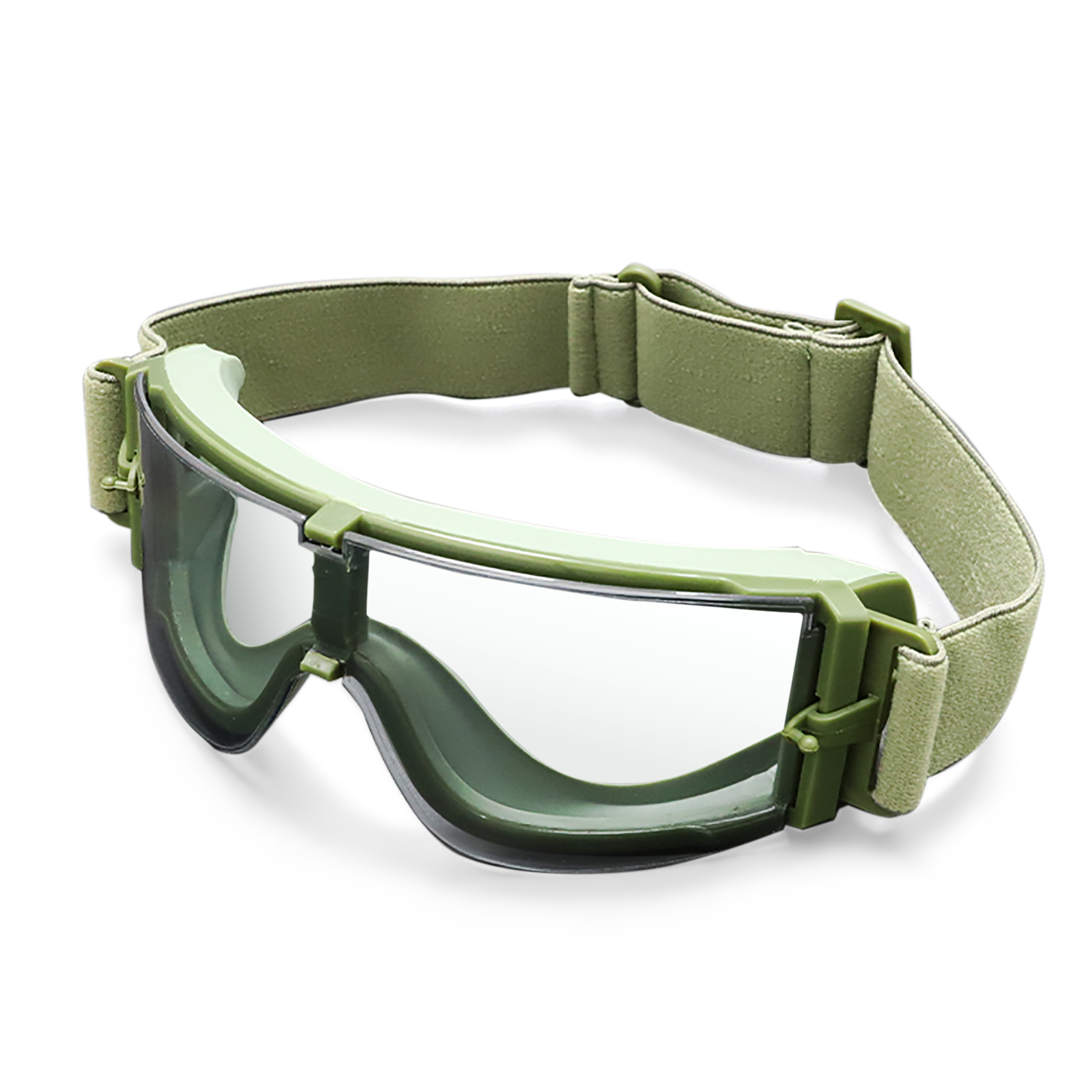
Start with the channel, not the lens. This framework lays out modular steps to ensure consistent lens retention and seal integrity across sizes and use cases — from weekend cyclists to units testing anti-fog tactical goggles in the field. The logic is simple: define the mechanical interface first, then tune materials, coatings, and venting around it. That keeps lens retention predictable and reduces rework during prototyping.
Core engineering elements
Break the channel system into three components: the mating profile, the retention feature, and the interface tolerances. Use a tongue-and-groove or C-channel mating profile for positive location, then add a secondary retention feature such as a snap bead or flexible lip. Specify tolerances that account for polycarbonate lens thickness and strap tension, and include anti-fog coating and goggle venting considerations so optics stay usable under sweat and temperature shifts. Practitioner-tested field notes — like those from US Army field trials — show this reduces mid-mission detachment events.
Material choices and front-end design parallels
From a front-end dev mindset, think of the channel as a component with props: material, cross-section, and finish. Choose flexible thermoplastic elastomers for the lip where repeated engagement occurs, and stiffer nylon or reinforced polymer for the fixed channel body. For high-impact applications, confirm ballistic rating compatibility with the lens material. Use controlled surface finishes to balance grip and insertion force — too smooth and the lens slips, too rough and you risk stress concentrators around the bead.
Prototyping roadmap and test points
Prototype in stages: rapid 3D prints for geometry checks, small-batch molded parts for mechanical validation, then production tooling trials. Validate lens retention with cyclical insertion tests, environmental soak (heat, cold, humidity), and strap-tension cycling. Measure pull-off force and record deformation over 10,000 cycles where practical. Include simple human-in-the-loop checks — technicians on the bench can catch fit quirks CAD sims miss. Real-world anchor: units that evaluated prototypes on humid training ranges reported improved comfort when foam gasket compression matched the intended retention profile.
Common mistakes to avoid
Avoid over-reliance on a single retention mechanism. Relying purely on friction can work in the lab but fail under sweat or dust. Don’t ignore edge radii — a sharp lip concentrates stress and can crack polycarbonate lens edges. Also avoid under-specifying tolerances; a ±0.5 mm allowance might be fine for sunglasses but not for tactical systems. And remember—venting great for fog control can compromise splash protection if not channeled around the interface properly.
Comparative note: sport vs. tactical priorities
Sport frames often prioritize weight and low-profile aesthetics; tactical systems prioritize seal integrity, anti-fog performance, and secure retention under impact. For sport sunglasses, thinner channels with easy lens swaps make sense. For army spectacles, design for redundancy: dual-lock features, reinforced lips, and a gasket that keeps particulate out during maneuvers. The trade-offs are explicit — choose the channel architecture that matches mission parameters.
Implementation checklist
Use this short checklist when you move from design to pilot production:- Define mating profile and secondary retention;- Select materials for wear and impact requirements;- Set tolerance bands tied to lens suppliers’ specs;- Run cyclic insertion/removal and environmental tests;- Verify anti-fog coating compatibility with channel cleaning methods.
Three golden rules for evaluating channel designs
1) Measure retention under realistic loads — expect tensile, shear, and torsion. 2) Prioritize seal integrity over minimal insertion force; a slightly stiffer lip prevents debris ingress. 3) Validate long-term wear: surface fatigue often appears after thousands of cycles, so simulate extended service life early.
Closing reflection
Designing secure interlocking channels is less a single trick and more a disciplined sequence: define the interface, match materials, and validate under real conditions. The result is durable lens retention that serves both athletes and operators — and a product line that benefits from fewer field fixes. YIJIA Optical aligns with that practical value in its designs — reliable, tested, and built to fit. —