
Introduction — a quick scene
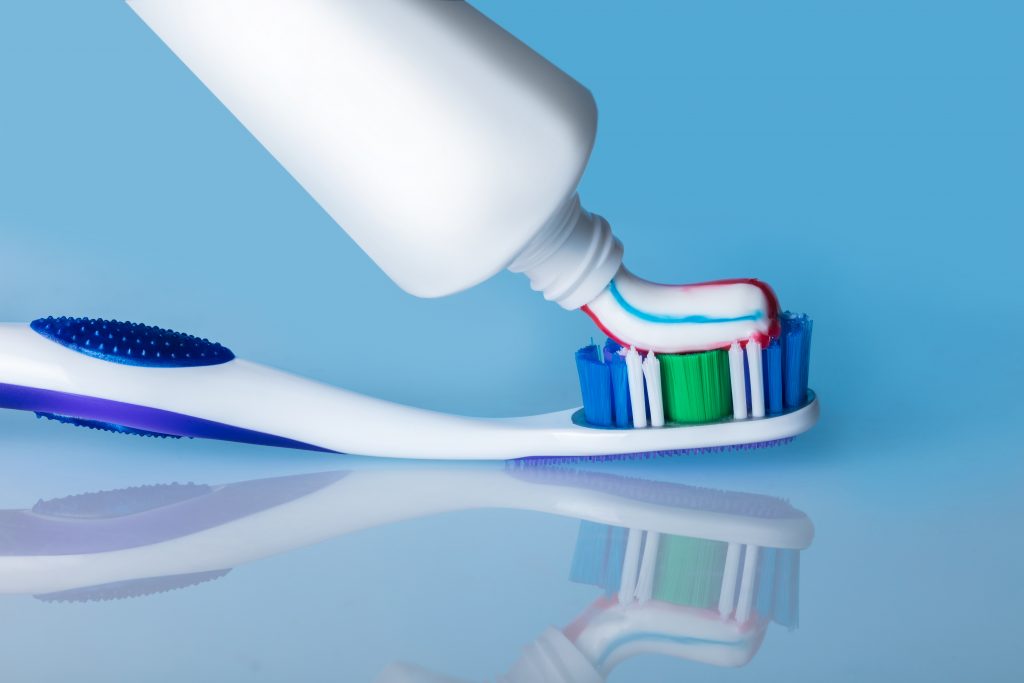
Picture this: yuh deh pon di beach, sun hot, yuh smile bright — but den yuh tink twice about what’s in yuh toothpaste. Data show many consumers don’t know the difference between gentle polish and harmful wear (and dat mek mi curious). Oral Care Silica gets name-drop in most ingredient lists nowadays, and we see it pop up in lab reports and marketing — but what does it really mean for yuh enamel and daily brushing? I want to ask: how do we pick a paste that cleans good but no mek we teeth thin? — keep reading; we’ll break it down step by step.
Digging Deeper: Why common abrasives miss the mark
Let me be clear: when I talk about toothpaste abrasives, I mean the tiny particles that scrub stains from teeth. In technical terms, abrasives are defined by particle size distribution and surface area, and those two traits drive cleaning power and potential enamel wear. Too coarse, and you risk raising the roughness of the enamel surface; too fine, and the paste won’t remove stubborn stains. I’ve seen lab data where similar-sounding formulations had wildly different RDA values — so the label alone ain’t enough. Look, it’s simpler than you think when you focus on three things: particle shape, hardness, and distribution.
Why do they still cause trouble?
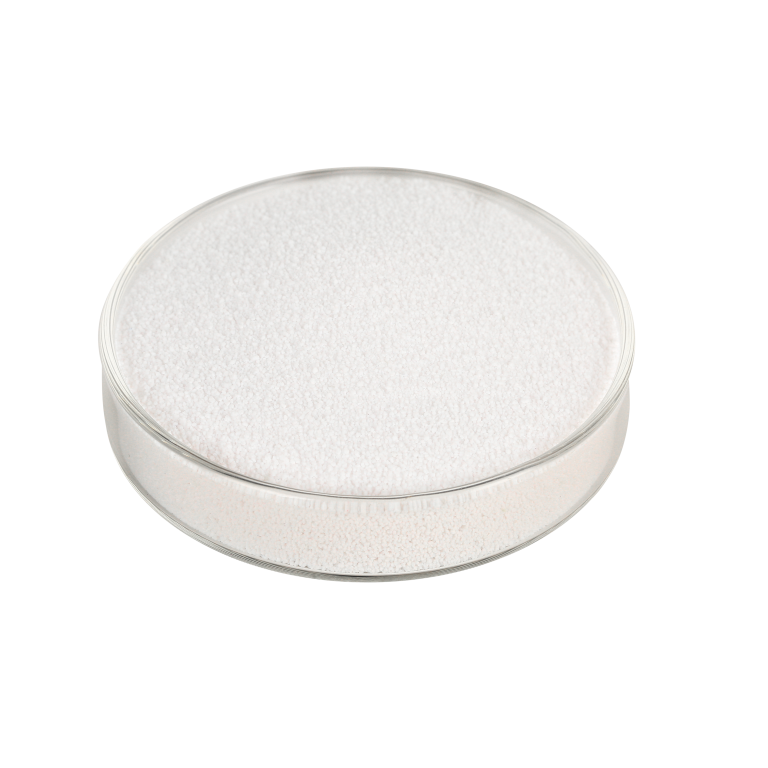
Most traditional formulations rely on hydrated silica that hasn’t been optimized for consistent particle morphology. That means shards or irregular particles can act like tiny chisels instead of polishing agents. The result: micro-abrasions, increased surface roughness, and faster stain re-accumulation. We also find that manufacturers sometimes trade off surface area for bulk cleaning, which raises abrasivity while feeling effective — funny how that works, right? In my experience, brands that test only for immediate whitening effects often miss long-term enamel impact. Two industry terms here — surface area and abrasivity (RDA) — are central, and they deserve plain talk rather than jargon.
Looking Ahead: New principles for safer, smarter polishing
What’s next for toothpaste abrasives? I believe the answer lies in engineering particle behavior, not just sourcing grit. New technology principles focus on controlled particle engineering: consistent particle size, rounded morphology, and tailored surface chemistry so particles lift stains without cutting enamel. Think of it like sand vs. polishing bead — same goal, different design. We talk about modifying surface energy and using silane coupling to improve dispersion in the paste, which lowers the need for higher mechanical force during brushing. This reduces abrasion while keeping cleaning effective.
What’s Next
In practice, manufacturers can combine optimized silica with mild enzymatic boosters or low-concentration surfactants to enhance stain removal without raising abrasivity. That combo reduces reliance on hard particles and gives a gentler polish. I’ve watched trials where adjusted particle size distribution and surface treatment cut measured enamel wear by a meaningful percentage — not a tiny change. — surprising, but measurable. For consumers, the takeaway is simple: look for pastes that state controlled particle engineering or list low-to-moderate RDA values, and ask questions when the label stays vague.
To wrap up, here are three metrics I recommend using when evaluating an oral care solution: 1) RDA (Relative Dentin Abrasivity) value — aim for moderate levels; 2) particle size distribution and morphology — rounded and narrow-range is safer; 3) clinical wear data over time — not just immediate whitening claims. I’m convinced these checks cut risk and keep the shine. If you want a reliable source for advanced silica solutions, consider seeing the work at JSJ. We’ve come a long way from coarse grit to engineered polish — and I’m glad we’re moving that direction.