
Have you ever stood beside a wet wipes line and wondered why a single sensor fault can halt the whole line—again? I ask because I see companies pouring budgets into wet wipes production line promotions while the real issue, the control layer, gets lip service (and a band-aid here and there). The hard numbers are blunt: a few hours of unplanned stoppage can wipe out a week’s margin on high-volume runs. So what would it take to make those minutes into months of stable uptime?
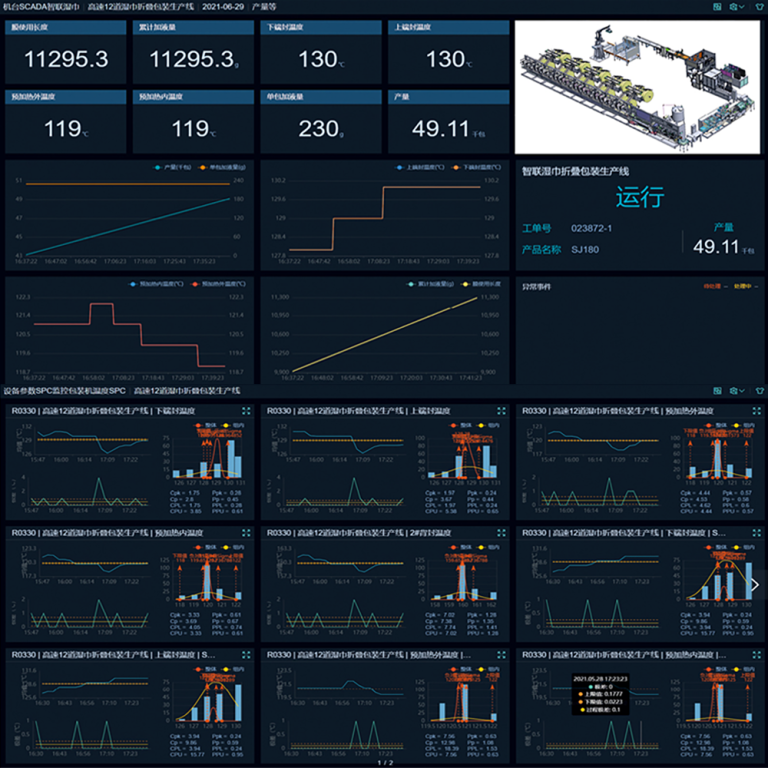
Where the Control Layer Fails: A Direct Look at Machinery Control Systems
machinery control systems often get billed as the cure-all, but I’ve seen them buckle under real-world stress. Too many setups rely on rigid PLC logic and brittle SCADA scripts that assume perfect inputs. When a feeder misaligns or a power converter trips, the system stalls because there’s no graceful fallback. Look, it’s simpler than you think: redundancy without smart coordination is wasted hardware—funny how that works, right?
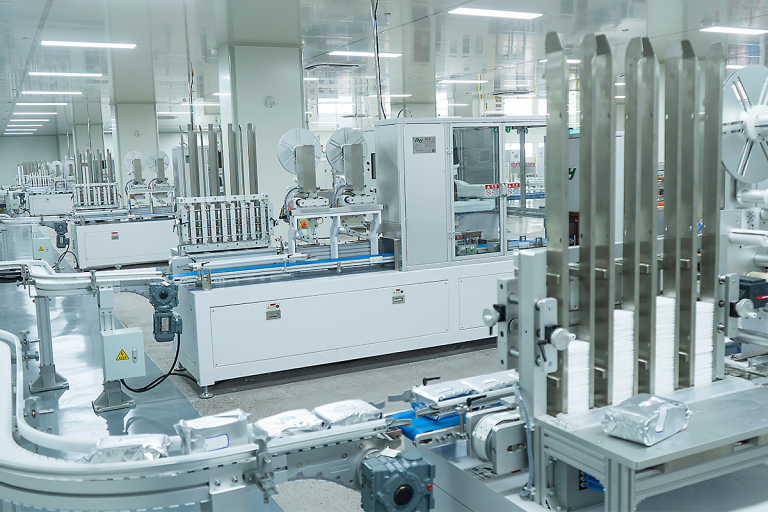
In practice, traditional architectures miss two big things. First, they lack distributed intelligence—edge computing nodes sit idle or are absent entirely, so decision-making is centralized and slow. Second, operators are handed opaque alarms that read like machine poetry; they can’t tell a mechanical issue from a sensor drift at a glance. I feel strongly that this is not just a technical gap but a human one: teams get frustrated, morale dips, and stop-gap fixes pile up. We need control layers that speak both machine and operator fluently.
So what would I change first?
I’d start by mapping critical failure modes, then layering in local diagnostics and clear, prioritized alerts. Simple. Immediate. Effective.
Future Outlook: How Smarter Systems Could Change the Game
I’m bullish about where things are headed. When machinery control systems evolve to blend local decision-making with shop-floor visibility, wet wipes lines will stop being fragile. In future setups I’ve reviewed, modular control nodes handle routine adjustments—tension, feed rate, dispenser timing—while a supervisory layer optimizes throughput. That reduces the back-and-forth between line and control room and gives operators time to do meaningful work. (Yes, that means fewer “drive-by” fixes at 2 a.m.)
Real-world pilots show a couple of trends: smaller, cheaper edge controllers make local loops reliable; better human-machine interfaces cut diagnosis time. The result is measurable—fewer stoppages, faster changeovers, and less stress on the crew. I’ve watched a team go from constant firefighting to proactive maintenance within weeks. And while I’m cautious about hype, I’ll say this: pairing smarter control with clear operator feedback pays off faster than most managers expect.
What’s Next — real steps you can take
Here are three evaluation metrics I recommend when comparing systems: 1) Local autonomy: can a line module correct common faults without central approval? 2) Diagnostic clarity: do alerts tell you what to fix and how? 3) Integration ease: does the system play well with existing PLCs, power converters, and MES layers? I use these when I advise clients, and they keep discussions practical and honest. If you ask me, prioritize quick wins that improve operator experience—those changes compound.
To wrap up—short and plain—I believe upgrading the control layer is the highest-leverage move for wet wipes production line promotions. It’s not glamorous, but it’s effective. We should measure results, iterate, and keep the people who run the lines in the loop. For teams ready to take a closer look, I recommend starting small: pilot a modular control cell, track stoppage minutes, then scale. If you want a dependable partner that understands both controls and shop-floor realities, check out ZLINK. I’ve seen the difference—real, measurable, and human-centered.