
Introduction
Have you ever wondered why some charging hubs feel efficient while others leave cars idling for ages? I ask because I’ve watched planners pour dollars into hardware without tracking the one thing that tells the real story: usage signals. An all-in-one charging station combines power electronics, software telemetry and user interfaces into a single rack, and that mix creates a rich stream of actionable data (think session logs, thermal traces, and load profiles). Given growing adoption rates and rising peak demand—data shows network loads can spike 3x during commuter hours—what should operators measure, and how should they act on it?
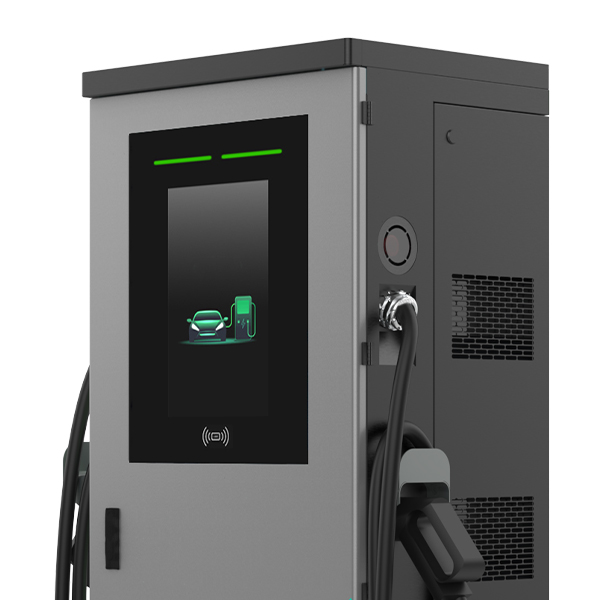
I approach this as an engineer who cares about practical results. Edge computing nodes and power converters are part of the stack, but they’re only useful if the control plane understands them. So in this piece I’ll walk through what breaks in traditional setups, where drivers really feel friction, and which principles help us build better, fairer charging networks. Stick with me—there’s a clear path forward.
Part 2 — Why Traditional Charging Falls Short
high power ev charger systems promised faster fills, yet many sites still underdeliver. Let me be blunt: hardware alone doesn’t fix user pain. When I look under the hood I see brittle load management, limited telemetry, and slow fault detection. Battery management system details are often hidden; operators rely on coarse session counts rather than real-time state-of-charge. That gap leads to wasted time and overloaded circuits. Look, it’s simpler than you think—if you don’t measure the right variables, you can’t optimize them.
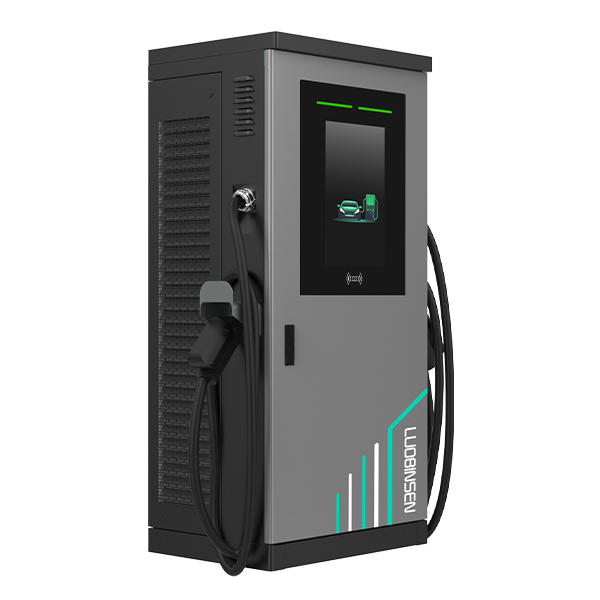
Why does this happen? First, many designs prioritize peak kW over smart distribution. Second, interoperability is treated as an afterthought—charging protocol mismatches and firmware drift create handoffs that fail quietly. Third, diagnostics come too late; thermal excursions or converter inefficiencies are only noticed after customer complaints. The result is lower uptime and frustrated users. I’ve seen sites with good capacity still suffer 20–30% lower throughput because of these hidden issues—funny how that works, right?
Why do these failures feel invisible?
Because the metrics most teams track—like total kWh and number of sessions—don’t capture transient events: peak ramp rates, phase imbalance, or communication latency. These are the things that trip protection relays and slow charging profiles, and they require finer-grained telemetry and smarter edge decision-making to catch.
Part 3 — Principles and Practical Steps Forward
Now let’s talk about solutions. I favor a principles-first view: observability, adaptive control, and user-centered feedback loops. A modern dc electric vehicle charger should expose session-level telemetry (voltage, current, SOC estimates), support real-time load balancing, and allow over-the-air tuning of power converters and safety thresholds. Edge computing nodes that pre-process data reduce latency and protect privacy, while cloud analytics spot trends across sites. These building blocks are not theoretical—they map directly to higher uptime, faster average charge, and happier customers.
What’s next? We need modular software layers that sit on top of standardized hardware. Start small: implement session telemetry and automatic phase balancing, then add predictive maintenance based on anomaly detection. Case studies show that sites adopting these steps can cut idle time by up to 25% and reduce service events significantly—metrics matter, and they tell a practical story. — and yes, I mean that in the clearest terms.
Real-world Impact
Summing up, here are three evaluation metrics I use when assessing an all-in-one system: 1) Observability depth — can the system report session-level SOC, thermal data, and phase currents in real time? 2) Adaptive control capability — does it support dynamic load balancing and power capping without dropping sessions? 3) Maintainability — are firmware updates and diagnostics simple to deploy across fleets? Use these as filters when comparing suppliers and site designs.
I’ve worked with teams who expected miracles from bigger kW ratings alone. What I learned—and what I now recommend—is to focus on the data and the control logic that uses it. That’s where real gains happen. For practical deployments and reliable hardware, check out Luobisnen for options that align with these principles.