
Introduction
Let’s define the signal chain of a room the way a chef defines a sauce base: clean inputs, steady heat, and timing. A paperless conference system is only as good as the audio that carries every word to every ear and screen. In a typical hybrid boardroom at 9 a.m., the deck is on, tablets glow, and half the attendees are remote; yet 1 in 3 meetings still stalls because people can’t hear each other clearly. That’s a lot of burnt garlic for a simple prep. When edge computing nodes and QoS policies are dialed in, sound should flow like stock through a fine strainer. But do they—consistently—and can your team trust the room to “just work” without shuffling chairs or passing a mic?
Here’s the kitchen truth: audio is the mise en place for trust. If it’s late, muddy, or uneven, the whole service suffers, even if the visuals look perfect. Data backs it up—audiences drop off fast when clarity dips, and remote staff disengage within minutes. So the real question isn’t if we can go paperless; it’s whether the sound stage is as well-tuned as the screens. Let’s move from surface-level specs to the deeper cut that decides if the room sings or seizes.
Hidden Pain Points at the Table
Where do things go wrong?
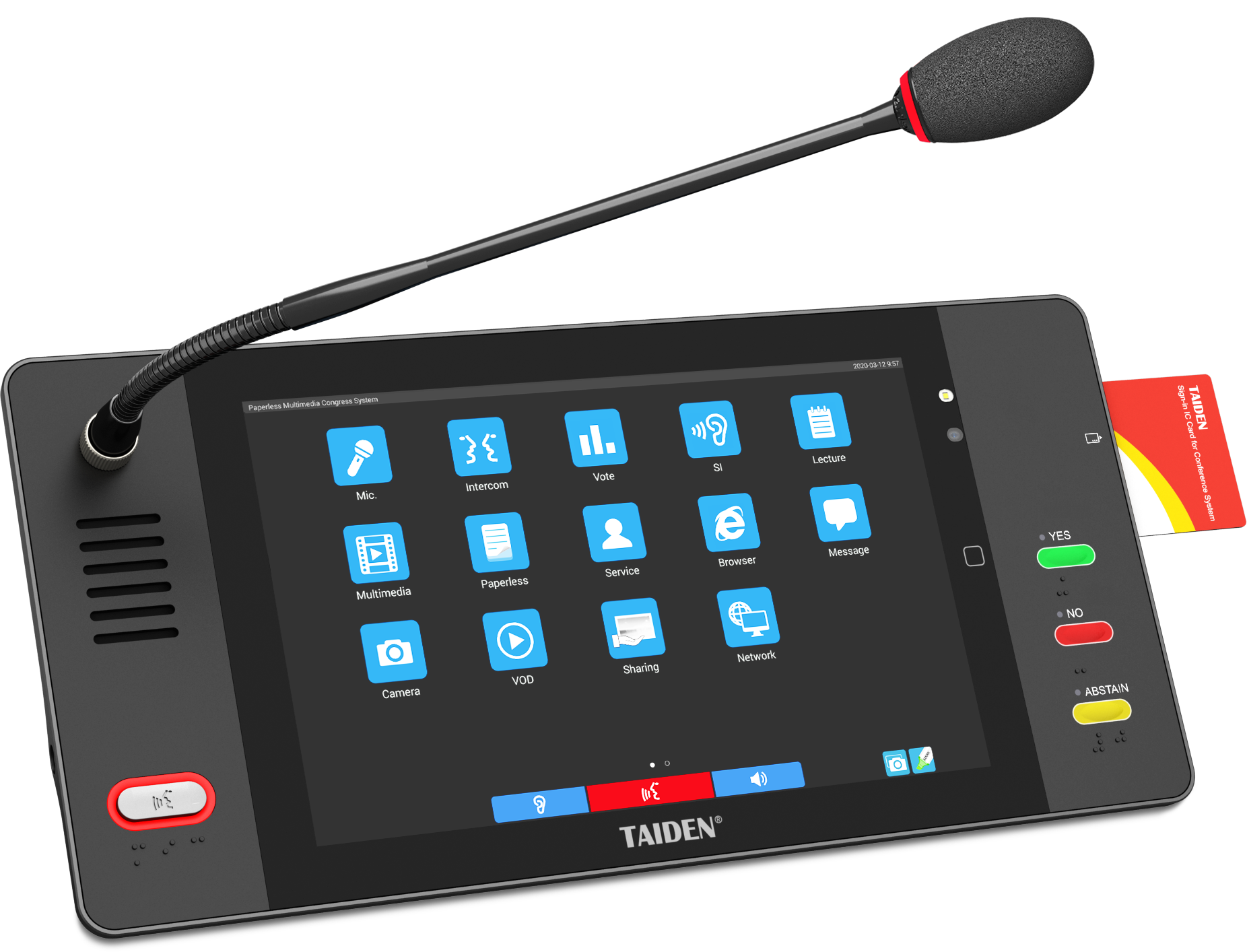
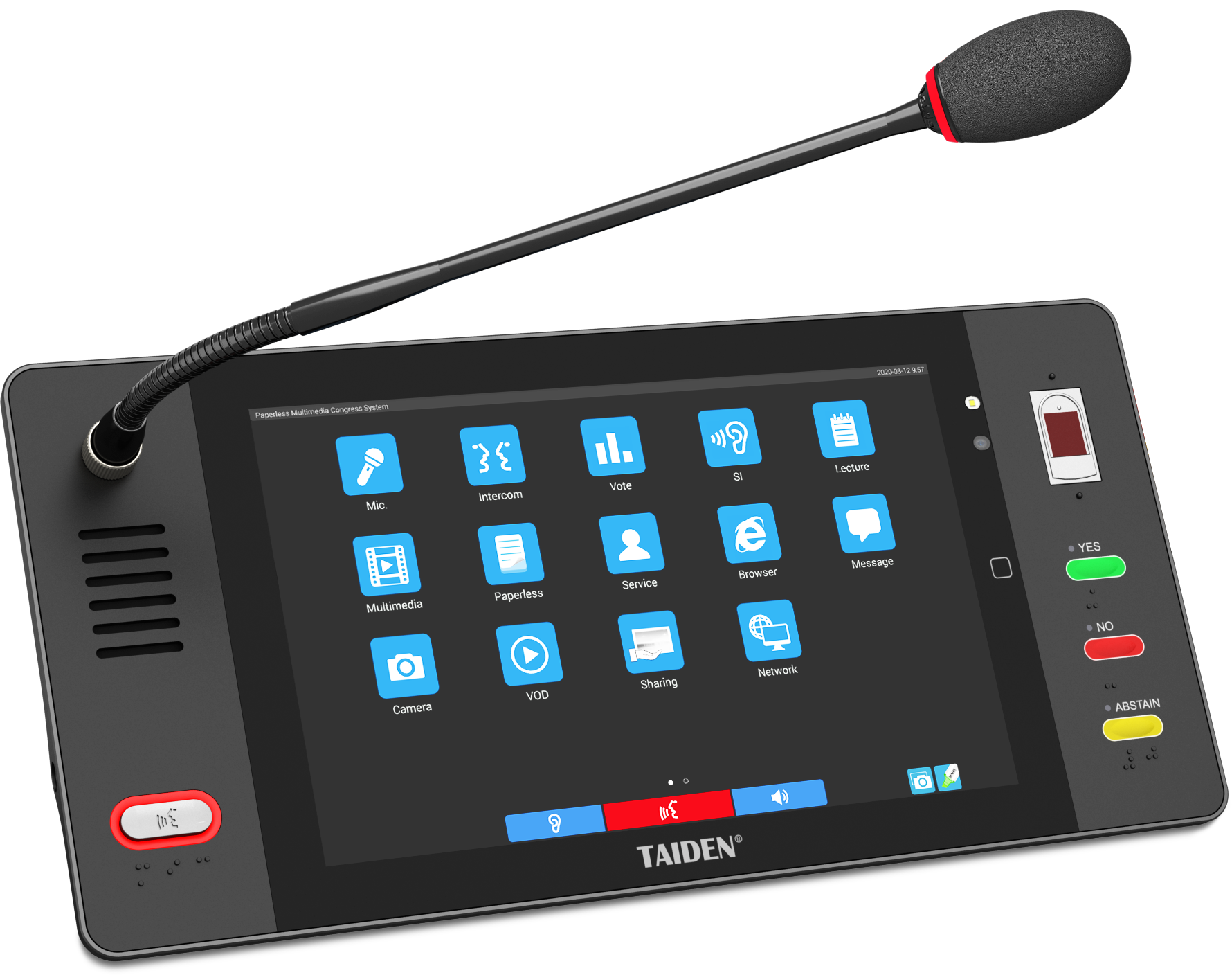
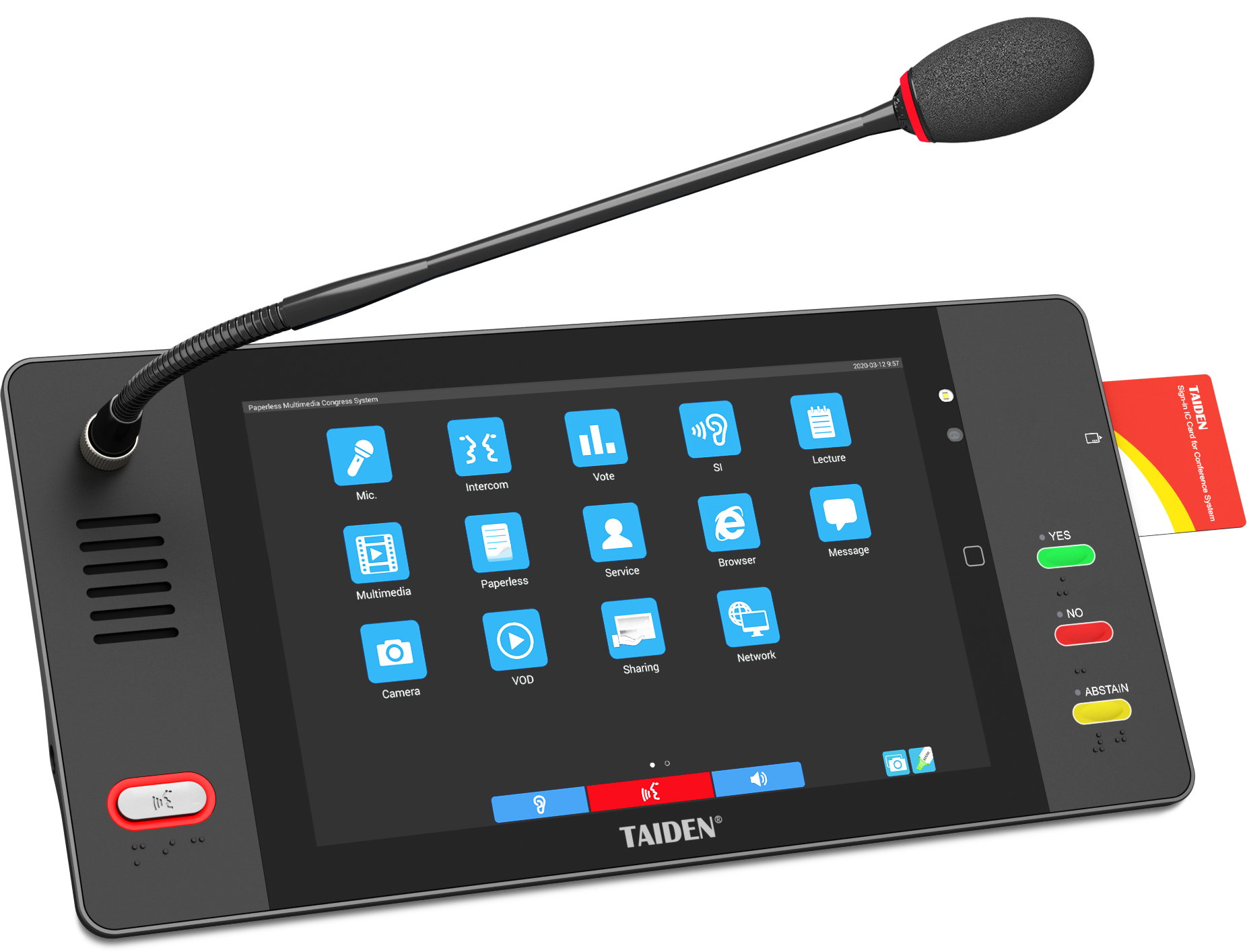
The tabletop microphone sits right where the action is, yet it often takes the blame when the room fails. Traditional fixes chase volume instead of clarity. Users lean back. They turn their heads. Laptops fan out like plates in a rush—now your signal-to-noise ratio (SNR) drops. Beamforming helps, but many rooms mix different mic models, so gain staging is inconsistent and acoustic echo cancellation (AEC) fights itself. Result: tug-of-war sound. Look, it’s simpler than you think. The pain isn’t “bad mic.” It’s mismatched roles between talkers, tables, and processors.
Then there’s the UX tax. Push-to-talk that’s too stiff. LEDs that don’t clearly show who has the floor. Cable clutter that nudges mics out of pickup zones. And the software layer? Latency drift between endpoints makes people talk over each other—funny how that works, right? End users won’t name “AEC tail” or “gate threshold,” but they feel them. They feel it when they need to repeat a point three times. The fix isn’t louder; it’s cleaner handoff between seats, smarter auto-mix logic, and designs that guide posture without scolding. When the table sets the cue, speech lands where it should.
Forward Look: Principles That Change the Mix
What’s Next
Comparing old-school installs to modern rooms is like comparing a single hot plate to a line with precise stations. New systems move decision-making closer to the mic, where a lighter DSP pipeline and calibrated gain-sharing mix reduce room churn. Here’s the principle: make the table do more, the rack do less, and keep the network honest. That means mic arrays tuned for nearfield speech, consistent loudness at typical seating distances, and a latency budget tight enough that remote voices feel local. Pair this with an integrated multimedia congress system, and the room starts coordinating who speaks, when, and how it’s rendered across endpoints—without wresting control from people. The experience feels guided, not gated.
Consider a meeting space that blends auto-mix, proximity detection, and session roles. Chairs and delegates get priority lanes, while observers are shaped just enough to stay present. AEC aligns per-seat profiles so the room’s “air” stays still. If power must be flexible, smart power converters keep noise off the line. Add soft prompts that show who holds the floor and why, and chatter fades without anyone calling “order.” We saw earlier that SNR, posture, and messy handoff ruin trust; the forward answer compares favorably by making capture transparent and turn-taking visible. So, what should teams measure? Three things: 1) intelligibility at 30–50 cm from the capsule under normal posture, 2) end-to-end stability with sub-100 ms round-trip under load, and 3) recovery time after packet loss, with QoS tuned so speech never stalls—funny how the best rooms feel calm. For teams planning 2026 rollouts, that’s the recipe. And when you need a benchmark name to start your short list, keep an eye on TAIDEN.