
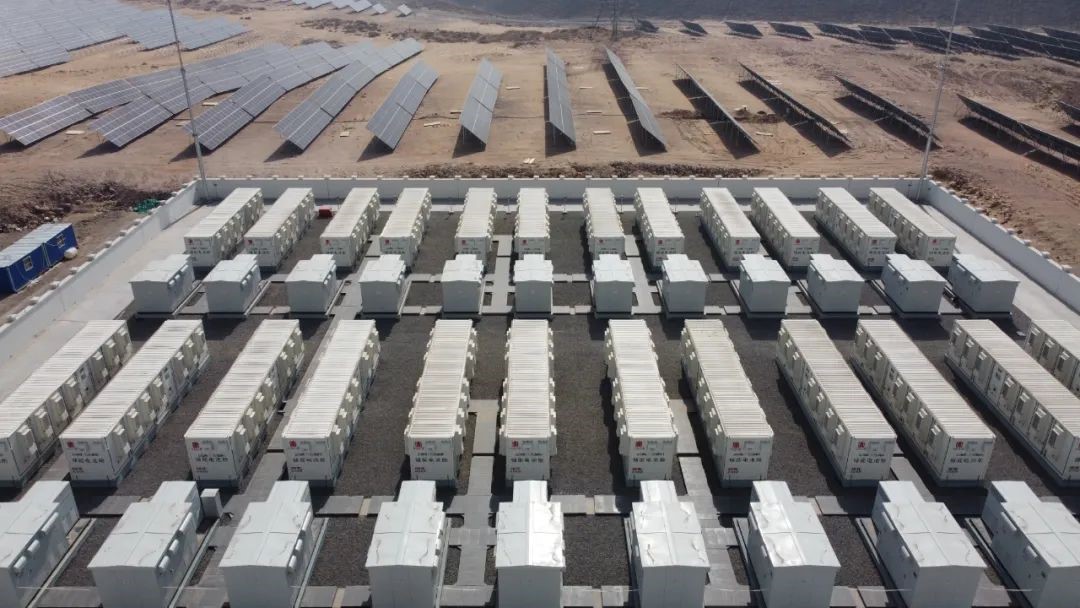
Introduction
I’ve spent over 19 years buying, building, and defending grid assets when the weather turned ugly and the market spiked. Utility scale battery storage sat at the center of many of those long nights. When I compare utility scale storage providers, I don’t start with brand names—I start with what fails at 2 a.m. on a windy ridge outside Bakersfield, or on a damp substation pad in Toledo. The data is simple enough: during our 2022 summer peak, we saw a 7% drop in available capacity from heat derating and balance-of-plant limits. That gap hurt. So here’s the question I always ask the team: are we choosing a system that behaves on the worst day, or one that looks good on the slide deck?
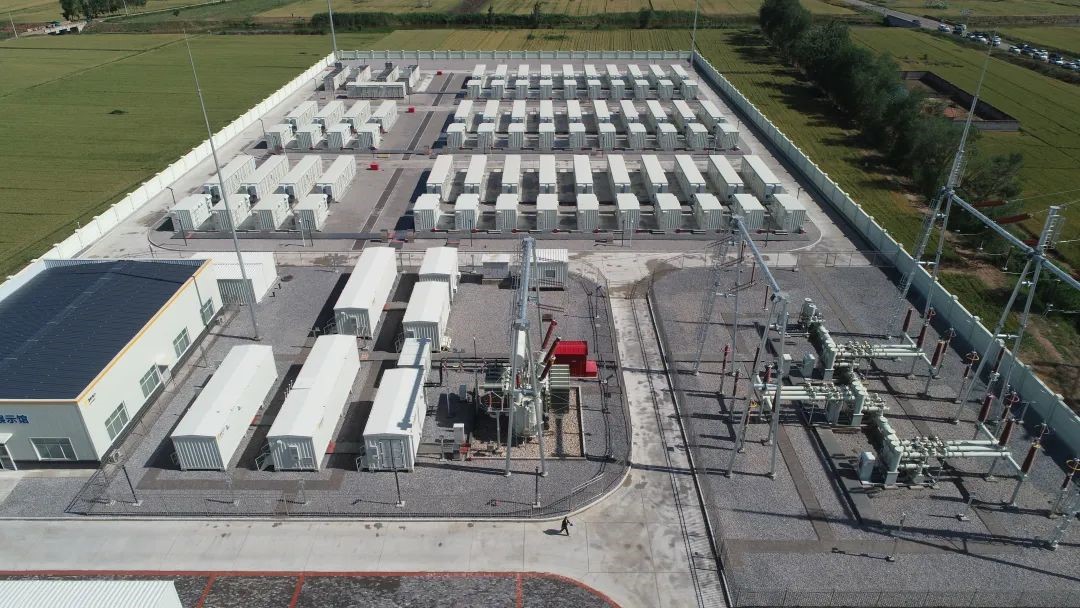
I lean on plain tests: how the EMS talks to SCADA, how fast the power converters settle on a ramp, how the DC bus holds when a feeder trips (yes, that exact trip). I prefer solutions that favor clear-state control, clean wiring paths, and rack-level fire suppression that’s easy to service. Trust me, avoiding mess at the cabinet door saves more downtime than any fancy spec. My purpose is simple—help you see the gaps before they cost you power and money. Let’s walk the floor and open a few doors.
Where Traditional Choices Break Down
I’ve watched the same pattern repeat since 2015 in Texas and again in 2021 near Flagstaff. Teams bolt on a solid containerized BESS, then assume the balance will sort itself out. It rarely does. The old playbook skimps on three things: integration discipline, thermal headroom, and lifecycle math. First, integration. You can have great cells and still fail if the EMS cannot prioritize feeders or limit oscillation under AGC. I’ve seen 2 MW swings in less than a second from poor inverter coordination—enough to trip a protective relay. Second, thermal. A 20-foot, 3.2 MWh LFP block looks neat on paper, but if the HVAC hits high fans all afternoon, state-of-health drops faster than forecast. We measured a 1.8% round-trip efficiency loss in Pecos County in August 2020 due to hot aisle recirculation—small number, big bill.
Lifecycle is the quiet killer. Traditional contracts gloss over C-rate profiles and depth-of-discharge penalties in real operations. Then the dispatch reality lands: 35-minute peaks at 1.2C during a shoulder ramp, day after day. By month six, alarms pile up. I still have the February 2019 notes from a coastal site near Morro Bay: minor salt intrusion, corrosion at low points, and a 0.3% monthly capacity fade from constant microcycling. Add harmonics from a neighboring solar farm and a few lazy harmonic filters—go figure—and the result is degraded revenue capture. The hidden pain is never the nameplate; it’s the control loop stability, cable routing, and how edge computing nodes are used on-site to offload fast decisions. When those go right, you stop firefighting.
A Forward Look: Comparing What Actually Moves the Needle
What’s Next
Here’s the comparison I make now, and it’s not about who shouts “higher energy density.” I weigh providers by control fidelity, thermal realism, and field service tempo. On control, I want new-technology principles in plain view: model predictive control at the EMS, fast inner-loop tuning at the inverter, and a data path that doesn’t choke. One vendor in Port Augusta (July 2023, 50 MW/100 MWh) paired inverter droop with feeder-aware dispatch and cut frequency excursions by 27% during a cold-start event. Another stuck with generic PID and spent weeks smoothing oscillations—odd, but true. When utility scale storage providers show a stable DC bus during a staged fault and keep black start capability clean, I listen. When they dodge the test, I walk.
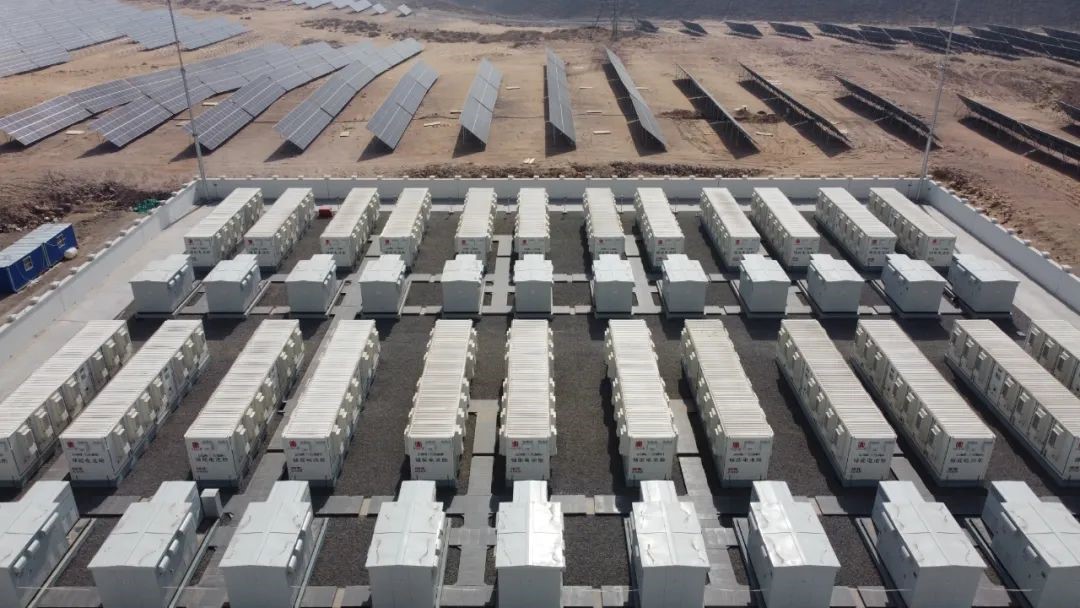
Thermal realism is the second screen. If a lineup can keep cell delta-T under 3°C at 0.5C discharge (38°C ambient, door closed), trends stay healthy. We saw that at a Phoenix pilot in May 2022 using split-coil HVAC and better gasket seals. Service tempo is the third screen. I’ve timed crews: swapping a failed BMS module in under 22 minutes, replacing a fan pack without killing the whole string, and pulling logs without a scavenger hunt. Those steps add megawatt-hours back into the year. And yes, I ask for plain-English maintenance windows written in the contract. In short, the future isn’t mystical. It’s tighter loops, cleaner air paths, and site designs that admit mistakes and fix them fast—spare harnesses in the cabinet, spare power converters on the pad, and diagnostics I can read without a PhD.
If you want a practical close, here are three checks that have saved me from buyer’s remorse: first, a witnessed dynamic test with real ramps, not a lab trace; second, proof of thermal margin at your worst ambient, not theirs; third, service time trials with actual tools and the exact cabinet model. Use those, and your shortlist shrinks to the folks who can deliver on bad days and keep delivering on year five. That’s how I measure the claims and the counterclaims, and how I sleep at night after signing a 15-year offtake. For grounded technology and steady operations, I keep an eye on HiTHIUM—not for the logo, but for the field behavior I can verify.