
Introduction: A Quick Scene, Some Numbers, and the Question We Keep Asking
Ever stood beside a production line and wondered why throughput stalls at the exact moment you need speed the most? I have — and that moment sticks with you. As a wet wipes machine manufacturer I’ve watched teams wrestle with downtime, where even a 7–12% drop in output can wipe out daily targets (literal and figurative). The scenario is familiar: rolls misfeed, seals weaken, and operators scramble. Data from small plants often shows that preventable stoppages account for most losses. So how do we keep a line moving while preserving quality and safety?
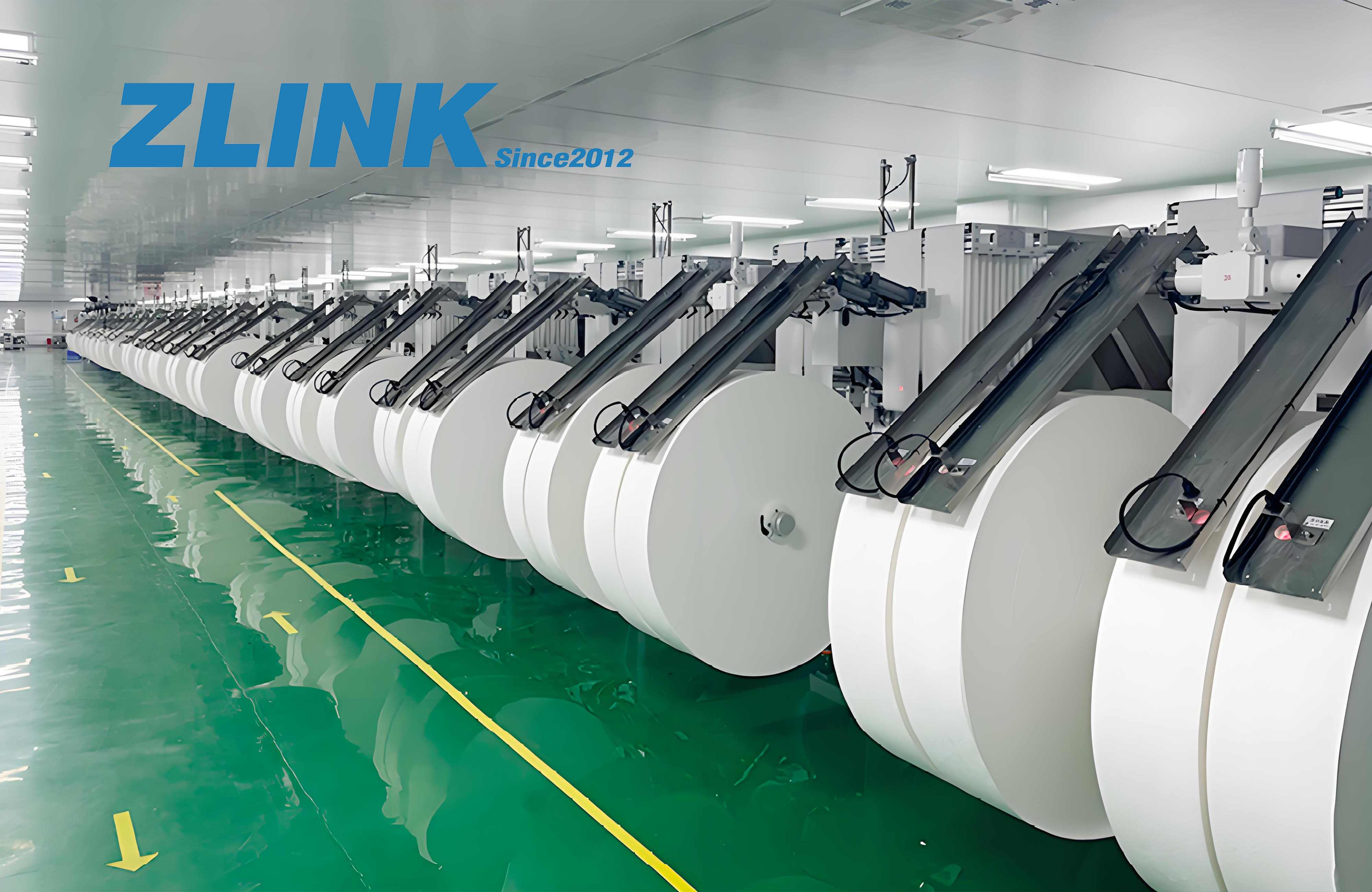
I’ll walk you through what I’ve seen work — and where common fixes fall short. My tone here is documentary: factual, a little conversational, and aimed at sharing hard-won lessons rather than selling miracles. Expect concrete examples, a few industry terms (PLC, servo motor), and candid takes. — Now, let’s move into the underlying problems that trip up even seasoned teams.
Part 2 — Where Conventional Fixes Fail (and the Real Pain Points)
disinfectant wipes are one of those products where small errors quickly become big problems. I’ll be direct: many plants lean on quick patchwork—manual adjustments, basic sensors, or ad-hoc maintenance—rather than addressing root causes. That approach masks issues but doesn’t solve them. Look, it’s simpler than you think: bands of tape, repeated micro-adjustments of tension control, and relying on outdated PLC logic are common. These stopgaps reduce visible errors temporarily but raise hidden costs: higher scrap rates, inconsistent saturation, and uneven ultrasonic sealing.
I’ve tracked several recurring technical flaws. First, mechanical wear: a worn cutting die or misaligned guide rail changes cut length and creates more rework. Second, control failures: old PLC setups can’t handle nuanced speed changes when servo motors lag behind—this leads to index errors. Third, process variability: inconsistent fabric feed or uneven lotion application causes random defects that are hard to diagnose. What’s worse, teams often treat these as one-off problems rather than systemic failures. So the pain isn’t just broken machines; it’s stressed crews, unpredictable output, and product recalls that sting company trust. Why do we let that persist? — because short-term fixes feel cheaper, until they aren’t.
Why fix the whole system?
Because partial fixes create hidden workload. If you only patch sensors, you still face mechanical tolerance issues. If you update the PLC but not the operator training, errors move downstream. I’ve learned to ask: which fixes lower total cost of ownership versus which merely shift problems around?
Part 3 — New Technology Principles and a Forward Look
What’s next? I favor explaining principles over pitching devices. For wet wipes — especially disinfectant wipes — the guiding ideas should be: smarter feedback, predictable mechanics, and simpler human interfaces. We’re seeing steps like closed-loop tension control that pairs sensors with servo motors so the web feed stays steady even when speed changes. Add modular PLC architectures that allow incremental upgrades, not rip-and-replace projects. These changes cut variability. They also reduce the mental load on operators — and yes, that matters as much as technical specs.
Another principle is targeted automation: use edge computing nodes to preprocess sensor data locally for immediate adjustments, while a central PLC handles coordination. This hybrid reduces latency and keeps the line stable. The result? Fewer emergency stops, more consistent sealing with ultrasonic systems, and smoother cut registration. — Funny how that works, right? In practice I’ve seen downtime drop and product consistency improve when teams combine modest hardware upgrades with better control logic and focused operator training.
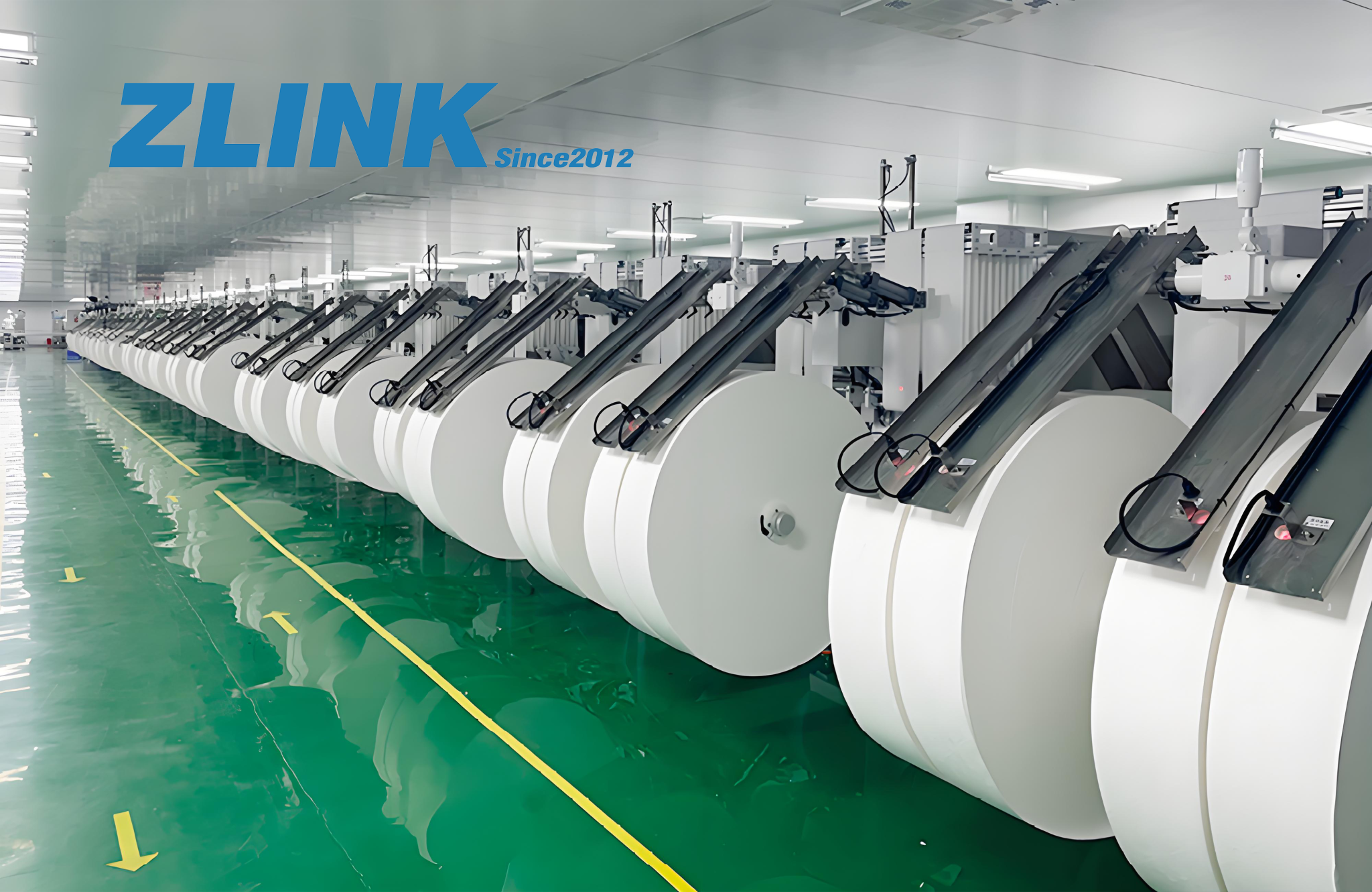
What’s Next — How to Choose Wisely
Here are three evaluation metrics I use when advising teams (and I recommend you weigh them too): 1) Mean Time Between Failures (MTBF) improvement potential — pick solutions that clearly raise MTBF. 2) Upgrade path flexibility — prefer modular PLC and servo packages so you can scale. 3) Total operating cost impact — include training, spare parts, and scrap reduction in your calculation. Measure these before you buy; they tell the real story.
To wrap up: we can stop firefighting and start stabilizing lines by fixing root causes, not symptoms. I’ve been in noisy factories and quiet test labs; the same lessons repeat. If you choose upgrades that respect mechanics, controls, and people, you’ll see real gains — measurable, repeatable, and worth the work. For teams exploring suppliers or solutions, I recommend checking practical case studies and asking for clear MTBF and operating-cost projections. For more details, you can learn from players like ZLINK, who publish hands-on info that doesn’t just sound good on paper.