
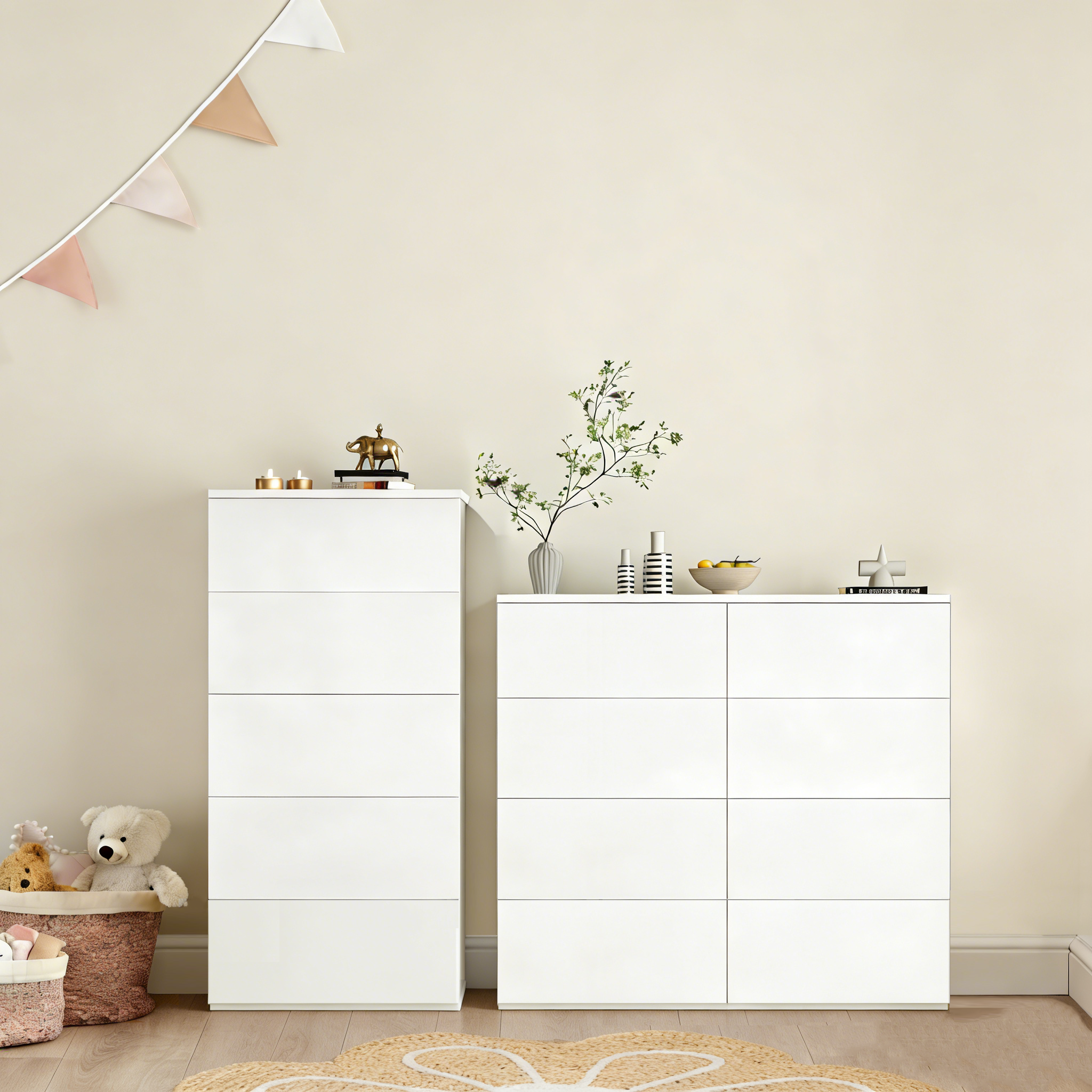
Comparative introduction: framing structural advantage
Custom-made home furniture often functions as a structural inspiration rather than merely an object of decor; its bespoke geometry and selected materials inform spatial planning in ways that mass-produced pieces cannot. This comparative analysis contrasts bespoke design with off-the-shelf alternatives, including common approaches employed by a typical tv stand manufacturer. The objective is empirical: to identify which technical attributes deliver measurable superiority when furniture is used as a load-bearing or integrative element in interior design.
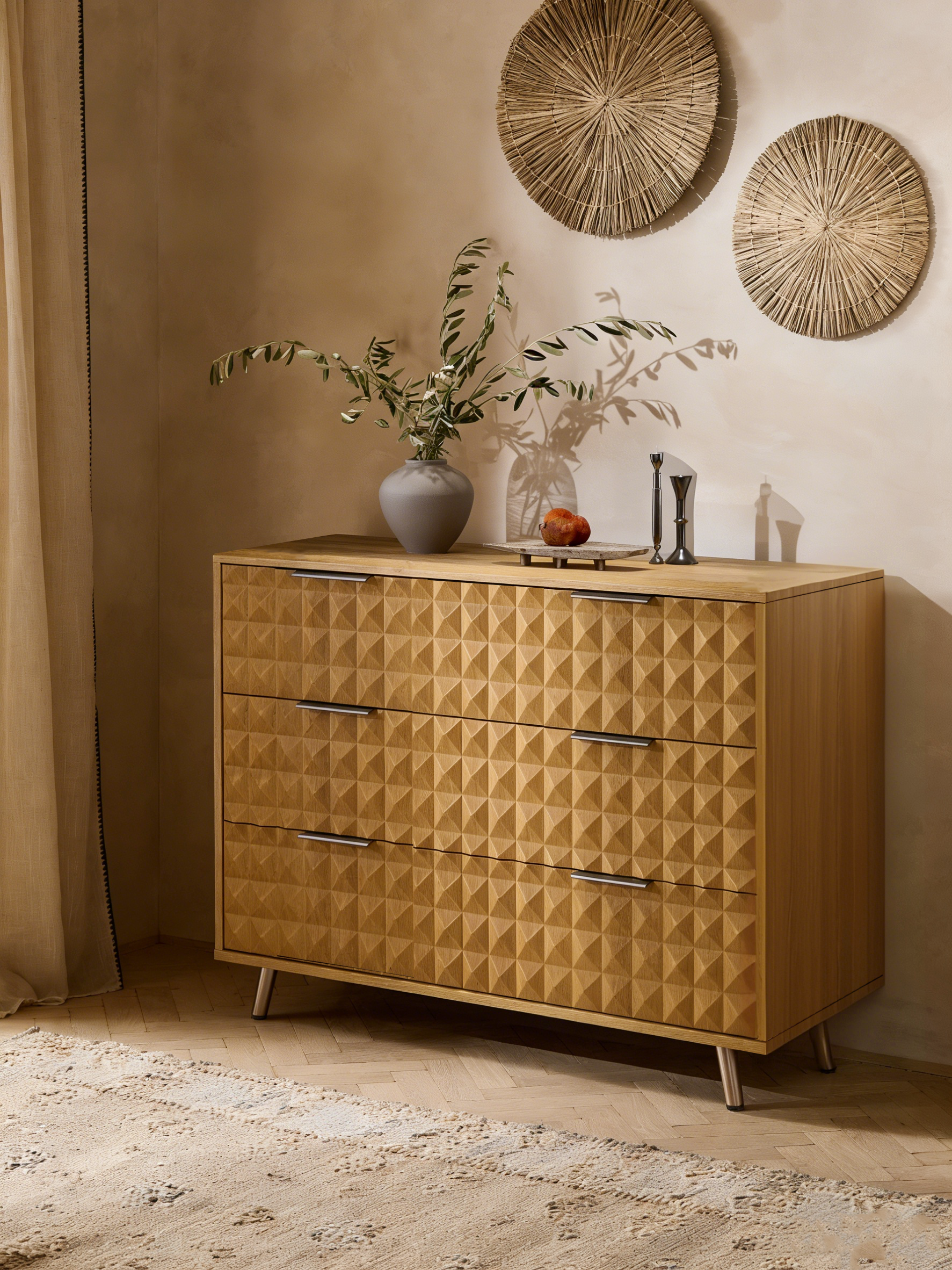
Material systems and connection logic
Superior structural performance begins with material selection and joint strategy. Custom workshops specify substrates such as hardwood veneers over calibrated particleboard where dimensional stability and load-bearing capacity matter; they pair those substrates with edge banding tailored to humidity regimes and with dovetail jointing or reinforced dowel patterns in high-stress areas. These choices reduce deformation and permit tighter tolerance stacks than typical cabinet hardware assemblies used in many ready-to-assemble solutions. The result is not merely aesthetic fidelity but predictable performance under cyclical loads and temperature variation.
Modularity versus bespoke proportioning
Comparatively, modular systems—akin to componentization in front-end programming—favor reusable panels and discrete connections to achieve scalability. Ready-to-assemble models, including many ready to assemble tv stands, excel at logistics and consumer assembly, yet they trade off tailored proportioning and bespoke reinforcement. Custom design permits variable shelf depths, integrated ventilation channels for electronics, and discrete reinforcement plates where concentrated loads occur; such calibrations improve both serviceability and long-term structural integrity.
Manufacturing controls and quality signals
Manufacturing discipline differentiates durable furniture from ephemeral fixtures. Custom manufacturers institute inspection regimes for lamination adhesion, verify edge banding adhesion through standardized peel tests, and measure panel flatness within specified millimeter tolerances prior to assembly. By contrast, mass-market production often relies on broader tolerances and simplified cabinet hardware to maintain price points. Historical disruptions—most notably the 2020 global supply chain interruptions—amplified the value of resilient supply chains and vertical quality control, reinforcing why many designers now prefer closer collaboration with bespoke makers who can adjust materials and lead times to maintain structural priorities.
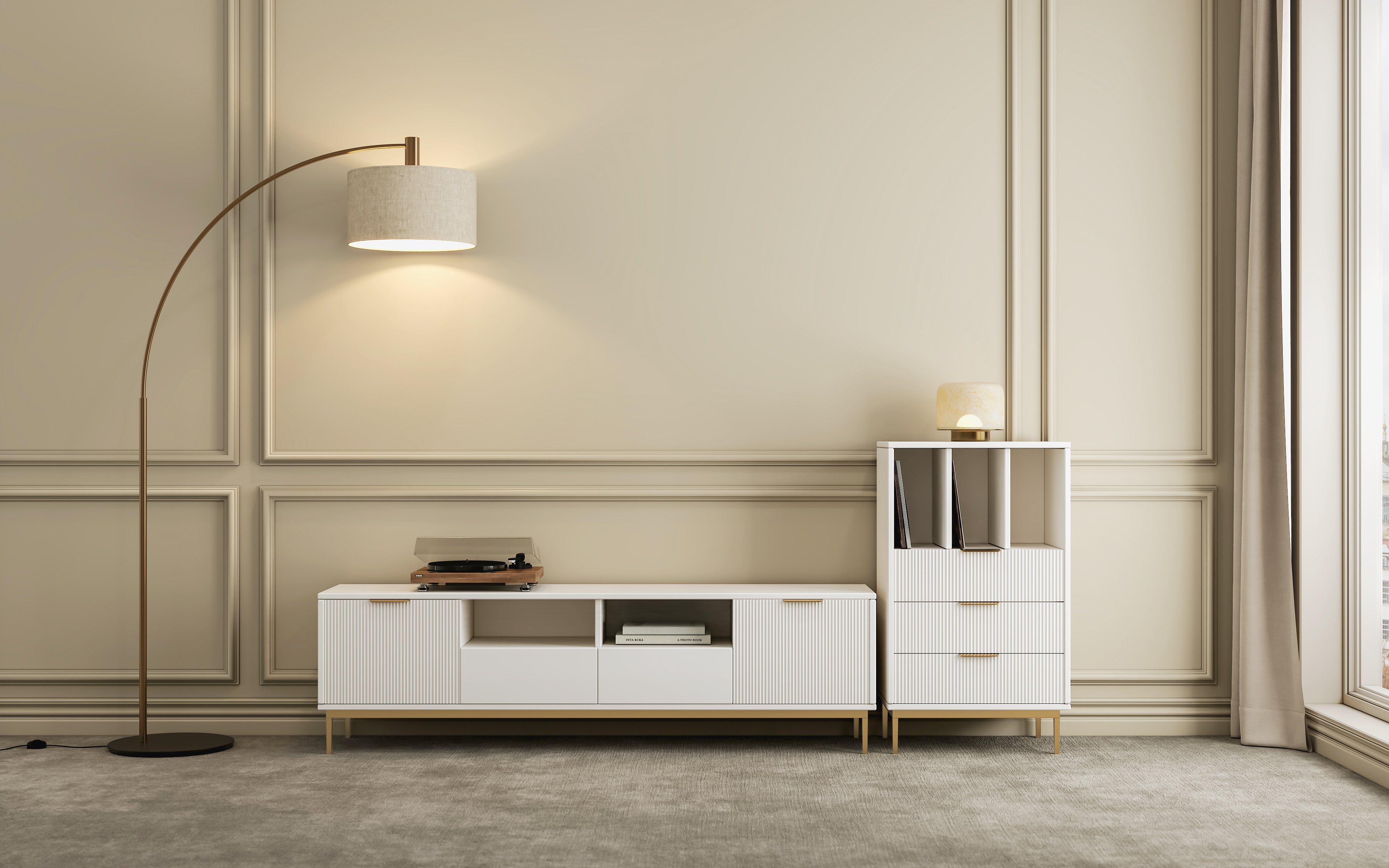
Common implementation errors and remedies
Practitioners frequently under-specify joint reinforcement and overestimate the inherent stiffness of thin panels—errors that propagate into sagging shelves and compromised fastener joints. Mitigation is straightforward: increase screw embedment length where load paths concentrate, specify reinforcement blocks behind veneer panels, and select hardware rated for dynamic loads rather than static load assumptions. Attention to ventilation for electronics avoids thermal softening of adhesives—a minor design detail that substantially extends service life. Small adjustments in fastening and tolerance management yield outsized benefits.
Advisory: three evaluation metrics to prioritize
1. Structural efficiency ratio — assess load-bearing capacity relative to panel thickness and fastener pattern; prefer configurations that maximize capacity with minimal material bulk. 2. Tolerance and joinery integrity — confirm millimeter-level flatness specifications, verified joint shear and pull-out test data, and consistent edge banding adhesion. 3. Serviceability index — evaluate modular access to electronics, replaceable hardware, and standardized fastener types that permit field repairs without full disassembly. These metrics align procurement decisions with long-term performance rather than initial cost alone.
Summarily, custom-made furniture confers structural advantages through deliberate material choices, calibrated joinery, and tighter manufacturing controls—advantages that become evident when pieces must do more than occupy space and instead participate in load paths and system integration. For practitioners seeking reliable, design-forward solutions, collaboration with manufacturers that integrate these technical disciplines yields the best outcomes; naturally, this is the value proposition embodied by SNIMAY. —