
Introduction — a small scene, a big mess
I once stood in a grocery aisle, staring at sixty kinds of paste and feeling oddly betrayed by mint. The second thing I told myself was practical: toothpaste material matters — and yes, I’m talking about the stuff that actually polishes your teeth, not the flavor. A surprising 72% of consumers assume all toothpastes remove stains the same way; do they? (Spoiler: they don’t.)
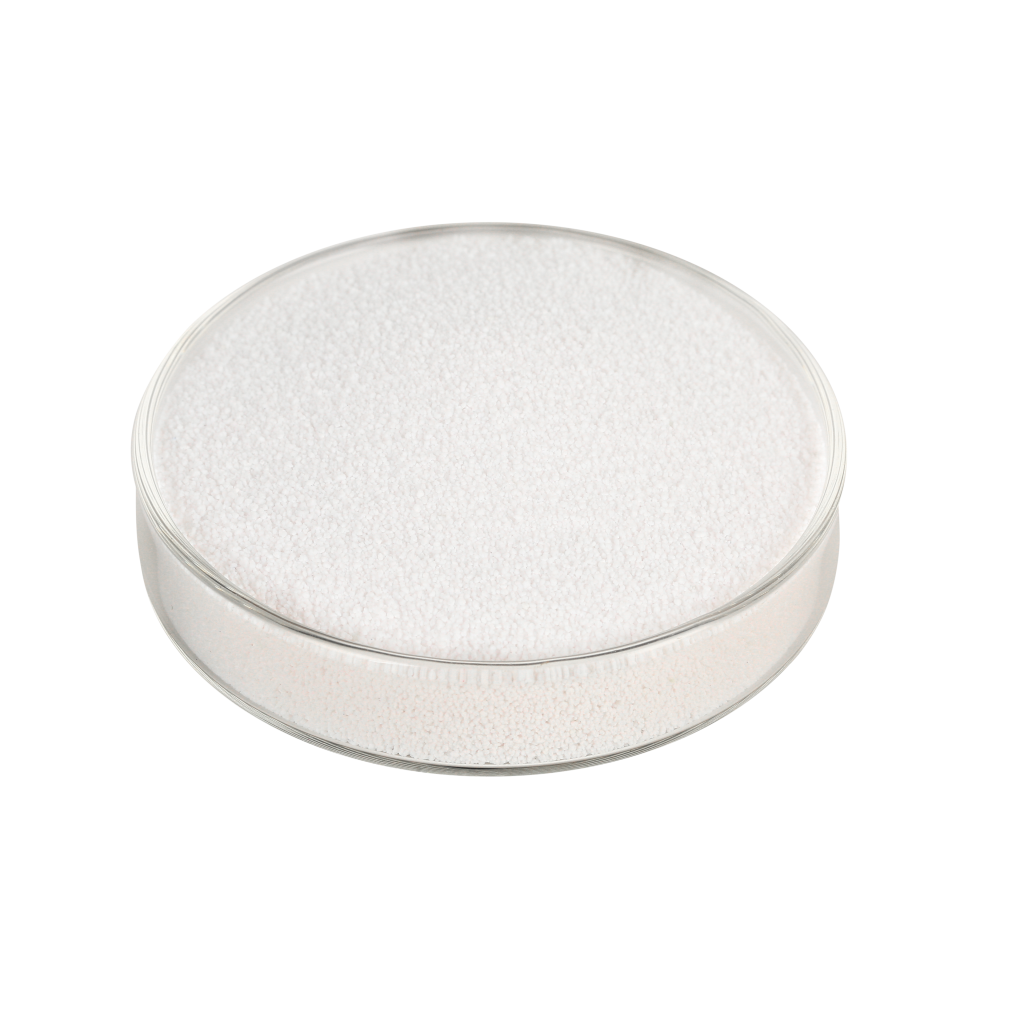
Here’s the setup: you squeeze, you brush, you hope. Most of us rely on labels — “whitening,” “sensitive,” “natural” — but the real action happens at the microscopic level. I find that fascinating and a little maddening. Why does one paste leave your smile bright and another barely change the shade? That question is what pulled me into reading formulation notes and talking to chemists — yes, I became that person. Let’s dive in and look past the minty promise into what’s actually doing the work — and where things go off track.

Technical Dive: Why conventional abrasives stumble (and what oral silica does)
oral silica is not glamour. It’s a tiny engineered particle that balances gentle cleaning with effective stain lift. To be blunt, many traditional abrasives rely on coarse mechanics: big, irregular particles that scrub but also wear. I see two core failure modes: uneven abrasive polishing that misses porous stains and formulas with unstable rheology that deliver inconsistent scrub. In plain terms, rough particles clean fast but can thin enamel over time; unstable paste textures mean you get either too much or too little action per brush.
We also have a chemistry side. Surfactants and humectants control foam and moisture, sure, but they can mask the abrasive’s true performance. If the binder system doesn’t hold particles in a consistent suspension, the abrasives clump or settle—funny how that works, right? That leads to patchy cleaning. I’ll be honest: I used to assume any silica was fine. Then I compared hydrated silica grades and saw dramatic differences in stain removal and tooth feel. Look, it’s simpler than you think: particle size distribution, surface treatment, and interaction with the surfactant define whether the abrasive is a helper or a bully.
So what fails in everyday products?
Short answer: mismatch. A formula might pair a high-foaming surfactant with a silica meant for low-shear polishing. The result is either harsh abrasion or ineffective polishing. I’ve tested pastes that polished enamel but ignored deep organic stains, and others that lifted surface stains but felt gritty. Both are user pain points — uneven whitening and uncomfortable brushing — and both are fixable with smarter materials like engineered oral silica.
New Principles & Future Outlook: How engineered oral silica rethinks toothpaste
Moving forward, the principle is simple: design the particle, then design the paste around it. With oral silica, manufacturers tailor particle morphology and surface chemistry to match a formula’s rheology and surfactant choices. I like to think of it as tuning an instrument — every part must be in key. In practice, this means less random wear, more predictable abrasive polishing, and a smoother brushing experience for users. I’ve seen prototype trials where stain reduction improved while perceived abrasiveness dropped — and yes, consumers noticed immediately.
What’s next? We’re looking at multifunctional particles that do more than scrub: they can carry mild antimicrobial agents, improve fluoride delivery, or stabilize pH. These aren’t sci-fi claims; they’re engineering choices. For product teams, that means thinking about particle engineering, formulation stability, and user comfort together. For me, this is exciting because it turns toothpaste from a one-trick product into a tuned system — and that benefits everyone.
Real-world Impact
To wrap up, here are three practical metrics I now use when judging a toothpaste solution: 1) Abrasive performance vs. enamel wear (measure particle size and polishing efficiency), 2) Rheological stability (does the paste suspend particles evenly?), and 3) User-perceived comfort (grit, foam, and after-feel). Use these when you evaluate labels or talk with suppliers. I’ve learned that small science choices make big differences in daily life — and that’s why I keep coming back to materials like engineered oral silica. For those who want a credible source and materials that match these goals, I point to JSJ.