
Introduction: The Engine Layout Behind Everyday Confidence
Define the ride, and you define the machine: power flow, heat control, and how the chassis talks back. A v4 bike steps into that definition with a compact heart and a calm voice. Many riders who move to v4 bikes report smoother days and fewer surprises in mixed traffic. Recent market notes point to rising interest in compact V engines across mid to premium classes, while rider forums track fewer complaints about heat soak and abrupt fueling—small numbers, but steady. Picture a dawn commute across the Ring Road, then a steep weekend climb to Nagarkot; the bike must adapt, not argue. If the torque curve is flat and the ECU mapping is clean, you feel stable, mile after mile (thik cha?). So, what makes the difference, and why do some layouts fatigue you faster than others? Let us unpack the hidden pieces that shape your comfort, and then look at what comes next.
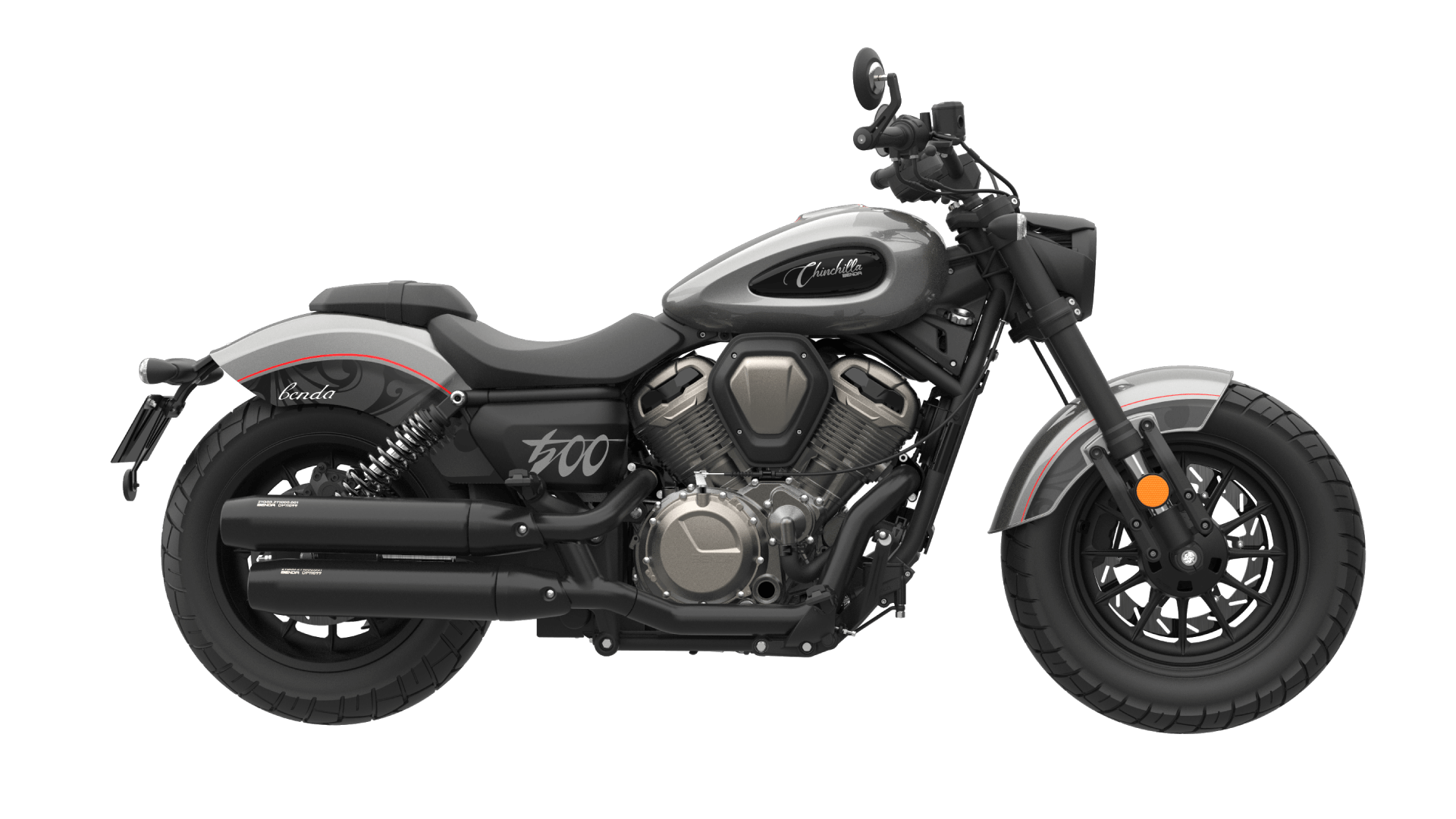
Beyond the Spec Sheet: Hidden Pain Points the V Layout Quietly Solves
Why do older setups feel tiring?
Earlier we covered the headline features. Now, the deeper layer: street pain points you do not see on spec charts. Inline engines with peaky power often need more revs to wake up, so low-speed control gets jerky. That adds micro-stress to your wrists and core. Heat soak in slow traffic warms your legs and dulls your focus. On many bikes, the CAN bus has to juggle signals from ABS, traction control, and ride-by-wire; if the ECU mapping is rough, small throttle changes jerk the chain. Look, it’s simpler than you think—tiny delays stack up into real fatigue. A compact V4 puts more mass central, reduces rotational inertia, and evens firing pulses. The result is cleaner throttle pickup and steadier damping feedback through the fork. Short phrase, big impact: you stay fresh, so your decisions stay sharp—funny how that works, right?
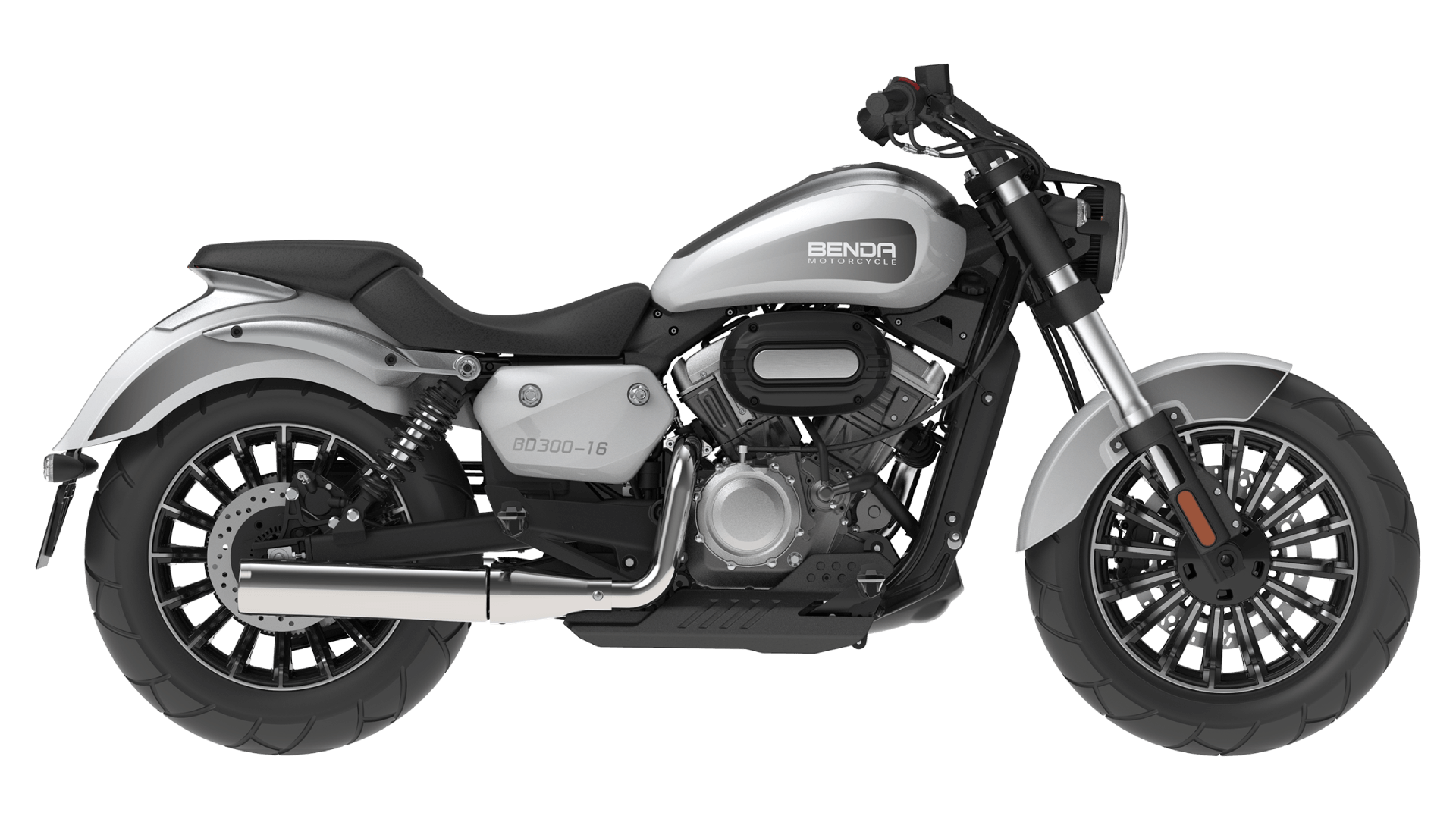
There is also the quiet work of electronics. Modern bikes use edge computing nodes to read wheel speed and IMU data in short cycles. When those nodes and the power converters stay cool and stable, the control loop tightens. In practice, the tire loads change smoother mid-corner, and traction control works without shouting. Riders notice this as “calm hands” at the bars. A wide, usable torque curve means fewer shifts, so gearbox ratios stop getting in your way. The V4 packaging helps route air better, easing thermal management around the radiator and headers. You do not think about it while riding; you just ride longer. And yes, it matters.
Comparative Insight: The V4 Path From Today to Tomorrow
What’s Next
From here, let us compare near future to the present. New V4 platforms are adopting small, quiet upgrades: counter-rotating crankshafts that trim yaw, variable valve timing that widens midrange, and smarter cooling shrouds that cut heat pockets around the tank. The principle is clear. Stabilize the chassis by smoothing torque ripple and managing temperature, then let the electronics polish the edges. In a city-to-hill routine, this shows up as steadier corner entries and less fan roar. Even a relaxed v4 cruiser benefits, because better thermal envelopes and cleaner fueling reduce surges at low rpm. Semi-formally put: less fight, more flow. The mechanical heart and the control stack point in the same direction.
A quick case example. Imagine two bikes, same weight and tires, different engine layouts. On a bumpy ascent, the inline-four needs higher revs to stay in its sweet spot; small throttle blips add chassis pitch. The V4, with calm pulses and active ECU smoothing, keeps the bike settled. The CAN bus latency is low, so traction control and ABS feel transparent. Your brain is free to scan the next turn, not rescue the last one. Over six months, that means fewer missed shifts, lower heat fatigue on hot days, and better confidence in rain. The future outlook is simple—incremental gains in mapping, sensors, and airflow will keep stacking. Small steps, real-world results.
How to Choose Wisely: A Short Checklist You Can Feel
Let us close with three metrics that travel well from showroom to road. First, measure thermal stability: after 20 minutes in slow traffic, check for heat soak near the knees and the tank, and note fan duty cycles. Second, check torque delivery bandwidth: does the bike pull clean from low to mid rpm without surges, and does the traction control module stay quiet? Third, watch control latency: throttle changes should feel direct, with no lag from ride-by-wire to response—test this in a gentle slalom. If a bike scores well here, the rest of the ride often falls into place—because comfort and control make speed safer. Thank you for reading with a calm, practical lens, and ride kindly. BENDA