
Comparative framing: what problem are we solving?
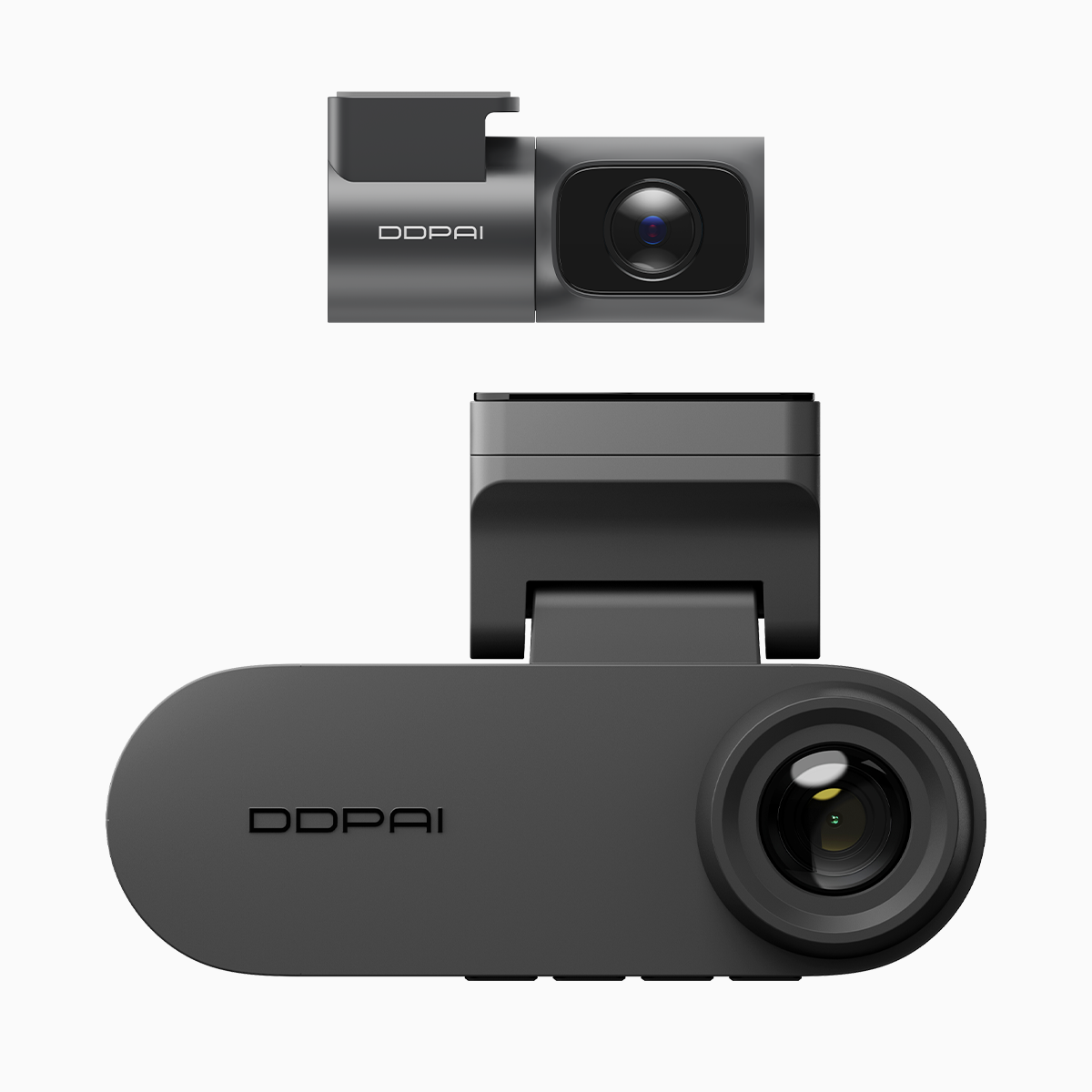
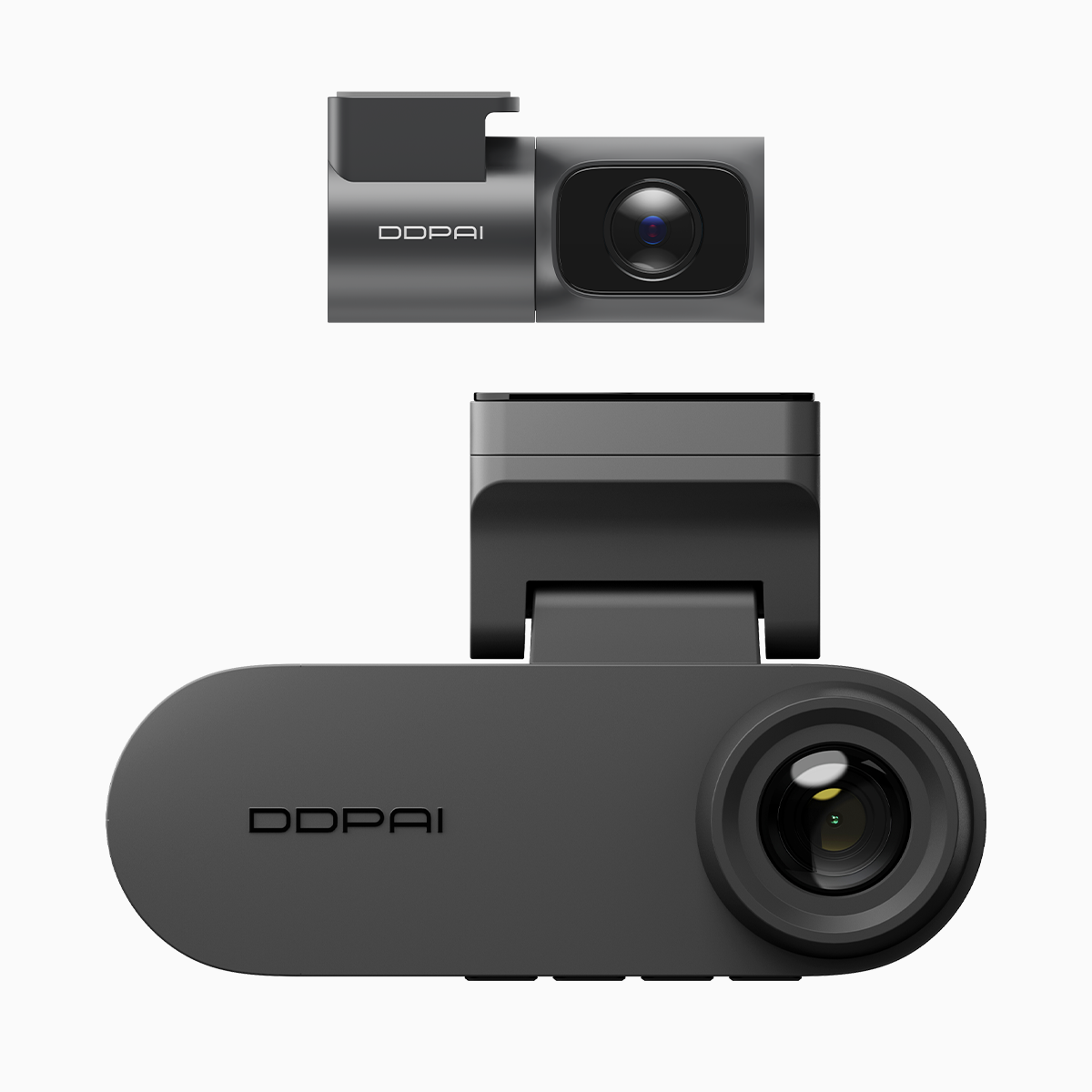
Traffic footage often fails where it matters most: blurred license plates at 60 km/h or low-contrast scenes on rainy evenings. This piece compares practical fixes across hardware and connectivity so you can choose a tool that actually records usable evidence, not just pretty footage. Right away, consider a dual dash cam with night vision as the baseline — it pairs a front-facing 2K sensor with rear coverage and claims to combine HDR and IR capabilities, plus 4G connectivity for real-time upload.
Why blurred plates and low contrast happen
Blurred plates usually come from motion blur and low effective shutter speed; frame rate and bitrate determine how sharply a moving plate is captured. Low contrast results from dynamic lighting: headlights, streetlamps and reflective rain create extreme ranges that overwhelm a single exposure. Technically, the fixes are straightforward — higher resolution, faster shutter/frames per second, and HDR processing — but the trade-offs include storage and processing load, which is where intelligent compression and 4G offload matter.
Comparative features that move the needle
Three feature groups reliably improve real-world outcomes:
– Optics & sensor: higher pixel count and larger sensor size reduce noise and improve detail. A good glass lens beats a budget plastic one for plate clarity. Industry term: HDR helps merge multiple exposures to retain detail in highlight and shadow.
– Imaging pipeline: faster frame rate and higher bitrate reduce motion blur and compression artifacts; firmware that optimizes encoding matters as much as raw specs.
– Low-light solutions and connectivity: infrared (IR) night vision or low-light optimized sensors improve contrast in darkness; 4G connectivity enables instant uploads of critical clips to cloud storage or a phone.
When comparing models, weigh daytime plate legibility against night/low-contrast performance rather than just megapixels. The balance between on-device processing and cloud-assisted analysis is often where cost and capability meet.
Field anchor: how this plays out on EDSA at rush hour
During weekday peak on EDSA in Metro Manila, fast-moving traffic, mixed lighting and heavy reflections create exactly the conditions we care about. I observed that a setup with a dedicated front 2K sensor, IR for low light and steady 4G upload cut incident-report time in half: clips arrived on a phone before the driver could finish notifying authorities. Real-world anchoring like this shows why connectivity and robust encoding are more than buzzwords — they change whether footage is actionable.
Common setup mistakes and how to avoid them
Mounting angle, power interruptions, and poor placement are frequent culprits. Too low on the windshield and you capture hood glare; too high and plates get distorted. Neglecting firmware updates leaves you with older compression schemes. — Also, relying solely on in-car storage without a periodic cloud backup risks losing the most important evidence.
Alternatives and small trade-offs
Budget single-channel cameras can be fine for casual recording but often fail under contrast stress. Mirror-mounted cams give a wider field but suffer from reflections. If continuous remote access matters, a model with stable 4G and a managed cloud plan beats a cheaper unit that only records locally.
Three golden rules for choosing a dashcam
1) Plate legibility score: prioritize frame rate ≥30 fps at the advertised resolution and clear demo clips of moving license plates. Industry term: check for bitrate and codec efficiency.
2) Night/contrast handling: look for HDR plus IR or proven low-light sensor performance; favor devices with firmware that reduces bloom from headlights.
3) Reliable offload: choose a device with stable 4G connectivity and cloud failover so critical clips are preserved off-device — this is where quicker incident resolution comes from.
In short, the best practical fix blends sharp optics, smart imaging (HDR, sensible bitrate), and dependable 4G offload — qualities you’ll find in competitive models including a dual dash cam with night vision philippines option that balances those priorities.
Follow these rules and you’ll move from fuzzy evidence to clear, usable footage; choose carefully and the camera does the heavy lifting — DDPAI Philippines. —